
The strategic decision by Cover Pro Roofing to move aggressively into the commercial sector signals a transformative period for the Knoxville-based contractor as it adapts to the rapid industrialization of the region. For years, the organization has maintained a dominant presence in the residential market, providing high-quality shingle replacements and minor repairs within a strict one-hour radius of its Maplewood Drive headquarters. However, the current economic landscape of East Tennessee, characterized by a massive influx of corporate investment and infrastructure development, has created a vacuum for specialized commercial roofing expertise. By pivoting toward large-scale projects in areas like Oak Ridge, Maryville, and Sevierville, the firm is essentially redefining its operational identity to meet the demands of a more complex architectural environment. This expansion is not merely a geographic widening of their service area but a technical evolution designed to support the sophisticated needs of property managers and regional developers who oversee millions of square feet of commercial space.
Specialized Engineering for Commercial Systems
The transition from residential to commercial roofing involves a profound shift in engineering requirements, as the architectural demands of a warehouse or medical facility differ fundamentally from those of a standard suburban home. Residential roofing primarily focuses on steep-slope systems and aesthetic shingle applications designed to shed water quickly through gravity. In contrast, commercial buildings typically feature flat or low-slope designs that require advanced moisture management technologies to prevent structural compromise. To address these challenges, the company has heavily invested in Thermoplastic Polyolefin (TPO) systems, which offer superior durability and heat reflection. These installations require a level of precision that goes far beyond standard carpentry, involving heat-welding seams and meticulous perimeter flashing to ensure the building remains watertight under the immense pressure of standing water and thermal expansion.
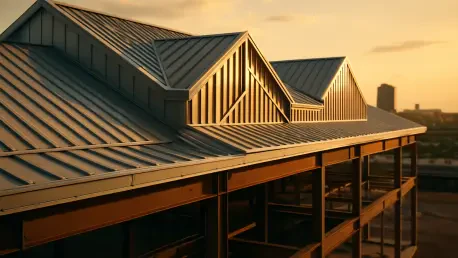
Beyond the installation of synthetic membranes, the commercial division is prioritizing the deployment of high-performance metal panels and structural reinforcements that can withstand the unique loads of industrial machinery. Commercial roofs often serve as platforms for massive HVAC units, communication arrays, and ventilation systems, all of which create potential points of failure if the roofing contractor does not account for the added weight and vibration. By focusing on these specialized engineering nuances, the expansion provides local business owners with a level of technical sophistication that was previously reserved for national firms. The goal is to eliminate the risks associated with “ponding water” and poor drainage, which are the leading causes of premature roof failure in large-scale facilities. This engineering-first approach ensures that retail centers and logistics hubs receive a roofing system tailored to the specific mechanical and environmental stressors they will face over their multi-decade lifespans.
Economic Growth and Regional Development
The timing of this expansion is intrinsically linked to the unprecedented economic boom currently revitalizing the Greater Knoxville area and its surrounding counties. As of 2026, the region has become a focal point for the healthcare, manufacturing, and logistics industries, leading to a surge in both new construction and the adaptive reuse of aging industrial corridors. Areas such as the Knoxville South Waterfront and the business districts in Lenoir City are undergoing a radical transformation, moving away from legacy structures toward modern, high-efficiency facilities. This rapid development has created an urgent requirement for roofing contractors who can keep pace with the rigorous timelines and high-stakes demands of commercial real estate developers. The company is positioning itself as a central pillar of this growth, providing the necessary labor and technical infrastructure to support the physical expansion of the regional business community.
In addition to supporting new builds, the commercial expansion addresses a critical need for the modernization of existing real estate assets that have reached the end of their functional lifecycle. Many of the older warehouses and manufacturing plants in East Tennessee are being repurposed for high-tech uses, requiring total roof overhauls to meet current energy codes and safety standards. This shift toward revitalization means that property managers are no longer looking for simple patches; they are seeking strategic partners who can provide comprehensive lifecycle cost analyses. By expanding its reach into Sevierville and Oak Ridge, the firm is ensuring that the local market has access to a contractor capable of managing the complexities of industrial renovation. This movement facilitates the preservation of historical structures while upgrading them with modern roofing technologies that enhance their long-term market value and operational efficiency.
Weather Resilience and Preventative Maintenance
The volatile weather patterns inherent to the Appalachian region serve as a primary catalyst for the increased demand for professional commercial roofing services. East Tennessee frequently experiences high-velocity winds, heavy seasonal rainfall, and dramatic temperature fluctuations that can cause materials to expand and contract rapidly, leading to micro-fractures in the roofing membrane. For a commercial facility, even a minor leak can result in catastrophic financial losses due to damaged inventory, equipment failure, or operational downtime. To mitigate these risks, the expanded service model moves beyond reactive repairs to prioritize a philosophy of preventative maintenance. By implementing biannual inspections and proactive moisture detection, the company helps property owners identify vulnerabilities in the roof’s “envelope” before they escalate into structural emergencies that require costly total replacements.
This focus on maintenance is particularly vital for flat-roofed buildings where internal drainage systems can easily become clogged with debris, leading to excessive weight loads from accumulated rainwater. The company’s structured maintenance programs are designed to extend the functional lifespan of the roof by several years, providing a significant return on investment for the business. Rather than viewing the roof as a static component of the building, the consultative approach treats it as a dynamic asset that requires regular tuning to remain effective. In an environment where storm intensity is becoming less predictable, having a dedicated commercial partner to perform storm damage assessments and routine clearing of drainage paths is essential. This proactive stance ensures that businesses can remain operational regardless of external environmental pressures, effectively decoupling their productivity from the whims of the local climate.
Material Innovation and Energy Efficiency
A major component of the current expansion strategy involves the integration of energy-efficient “cool roof” technologies into the commercial portfolio. As utility costs continue to rise through 2026, business owners are increasingly seeking ways to reduce the thermal load on their facilities, especially during the humid summer months in Tennessee. Highly reflective TPO membranes and specialized elastomeric coatings are becoming the industry standard because they reflect a significant portion of solar radiation away from the building. This reduces the strain on HVAC systems and can lead to substantial savings on monthly energy bills. The company is at the forefront of this trend, offering advanced coating solutions that can rejuvenate an aging metal or bitumen roof, providing the benefits of a modern reflective surface without the massive capital expenditure of a full tear-off and replacement.
Furthermore, the expansion highlights the growing importance of material longevity and environmental sustainability in the industrial sector. Metal roofing systems, for example, are being favored for their extreme durability and their ability to be recycled at the end of their useful life. These systems are particularly effective in industrial parks where wind-uplift resistance is a top priority. By providing a diverse range of innovative materials, from high-tensile membranes to standing-seam metal panels, the contractor allows business owners to choose solutions that align with their specific sustainability goals and budget constraints. This focus on material science ensures that the roofing systems being installed today will remain functional and efficient well into the next decade, reflecting a broader commitment to building a more resilient and energy-conscious regional infrastructure.
Navigating Insurance and Regulatory Compliance
The complexity of commercial roofing extends deep into the realm of administrative compliance and insurance negotiations, areas where the company has significantly bolstered its capabilities. Unlike residential claims, which are often straightforward, commercial roofing claims involve intricate documentation, photographic evidence of structural integrity, and coordination with various public adjusters and engineers. To address this, the firm has established a dedicated framework for commercial claims support, ensuring that property managers have the necessary data to navigate the adjustment process successfully. This professional oversight is crucial following major weather events, as it ensures that the scope of work identified by the insurance carrier accurately reflects the actual technical needs of the building to meet local and state building codes.
Operating as a licensed contractor in Tennessee requires a rigorous adherence to safety standards and manufacturer certifications, which are even more stringent for commercial projects. High-rise installations, industrial warehouse work, and medical facility projects each come with their own set of regulatory hurdles and safety protocols. The expansion includes a commitment to maintaining elite-level certifications from top-tier material manufacturers, which allows the company to offer extended warranties that are backed by the suppliers themselves. This level of compliance provides an extra layer of security for stakeholders, ensuring that all work is performed to the highest industry standards. By streamlining the interaction between property managers, local building inspectors, and insurance entities, the contractor reduces the administrative burden on the business owner and ensures a smoother, more transparent construction process.
A Consultative Approach to Asset Management
The successful expansion of the commercial division is grounded in a fundamental shift from being a simple service provider to becoming a strategic consultant for regional asset management. Property managers and institutional investors view their commercial buildings through the lens of long-term financial performance, where the roof represents one of the most significant line items in a maintenance budget. The leadership at the firm recognizes this reality and has transitioned to a “consultative” model that emphasizes lifecycle cost analysis and data-driven decision-making. By providing Maryville, Oak Ridge, and Sevierville with localized expertise, the company is able to offer personalized service while maintaining the logistical capacity to execute massive, multi-acre roofing projects. This localized presence allows for faster response times and a deeper understanding of the specific zoning and environmental challenges unique to each East Tennessee municipality.
Moving forward, the focus will remain on building long-term partnerships that transcend the traditional contractor-client relationship. Actionable steps for property owners include the immediate implementation of a digitized roof management plan, which tracks the age, condition, and maintenance history of every building in their portfolio. This data-centric approach allows for more accurate budgeting and prevents the “firefighting” mentality of only addressing roofing issues when they become emergencies. As Knoxville continues its trajectory as a major hub for the healthcare and logistics sectors, the availability of high-level commercial roofing services will be a cornerstone of regional prosperity. Property managers are encouraged to seek out specialized assessments that prioritize energy efficiency and structural resilience, ensuring that their real estate assets remain competitive and protected in an ever-evolving economic environment. This transition toward sophisticated, large-scale roofing management was the necessary logical step in securing the future of the region’s built environment.