
The Arkansas Department of Transportation’s latest quarterly report reveals that high-priority road expansions originally set for the late 2020s are being moved to 2030 or later. This shift in the timeline has caused considerable concern among local municipal planning offices across the Southeast Arkansas region, where communities have long anticipated improved connectivity to facilitate better trade routes. The report cites a combination of unexpected geological challenges and significant shifts in federal infrastructure priorities that necessitated a re-evaluation of the current project pipeline. For residents in the Delta, these highways represent vital arteries for agricultural logistics and industrial growth. As the state reconfigures its capital improvement plan for the period from 2026 to 2032, the focus has moved toward maintaining existing structural integrity rather than launching expansive new builds. This strategic pivot highlights a growing gap between regional ambitions and the practical realities of modern engineering and budgetary oversight in the current fiscal climate.
Navigating Economic and Environmental Obstacles: The Road to 2030
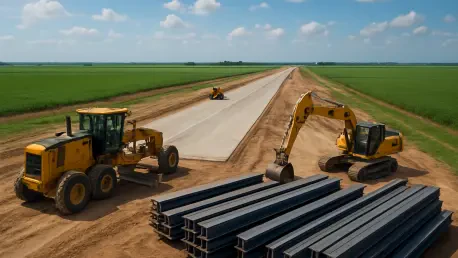
The primary driver behind these schedule adjustments stems from the volatile nature of construction material pricing observed throughout the first half of 2026. While initial estimates accounted for standard inflation, the actual costs for high-grade steel and polymer-modified asphalt surged beyond the thresholds established in the original project charters. This financial discrepancy forced regional planners to pause several bids, as the quotes received from contractors far exceeded the allocated state funding. Furthermore, a persistent shortage of specialized technical labor has hindered the pace of design and implementation. Engineering firms across the Mid-South have struggled to recruit enough structural designers and environmental surveyors to meet the surge in demand. This shortage resulted in a bottleneck at the design-review phase, where plans must undergo rigorous state-level scrutiny. These staffing challenges have slowed progress across the board for major highway initiatives in the Delta region.
Environmental complexities within the Mississippi Delta have also contributed to the revised timelines, as the unique alluvial landscape requires extensive mitigation efforts. Much of the planned expansion passes through protected wetlands, necessitating prolonged impact studies that stretched well into 2026. These assessments were essential to ensure compliance with federal water quality standards and to protect endangered local species, yet they added layers of bureaucratic review that were not fully anticipated in the preliminary phases. Engineers were forced to design complex drainage systems to prevent runoff into sensitive agricultural zones, which further inflated both the budget and the construction window. Additionally, the process of securing permits from the Army Corps of Engineers became more protracted due to updated federal guidelines regarding floodplain management. Each of these regulatory steps, while vital for the ecological health of the region, added months to the pre-construction phase.
To mitigate these setbacks, regional authorities successfully implemented several strategic adjustments that prioritized long-term resilience over immediate completion. They moved toward a phased project delivery model, which allowed smaller, critical segments of the highway to be opened for traffic even while larger bridge structures remained under development. This approach provided immediate relief to local logistics companies and reduced congestion in high-traffic corridors. Furthermore, the state invested in advanced digital twin technology to create highly accurate virtual models of the construction sites, which helped engineers identify potential structural flaws before physical work began. Stakeholders also established new training partnerships with vocational schools to build a more robust pipeline of local heavy equipment operators and surveyors. By diversifying funding through localized infrastructure grants, the region managed to maintain momentum. These proactive measures ensured that the infrastructure was more durable.