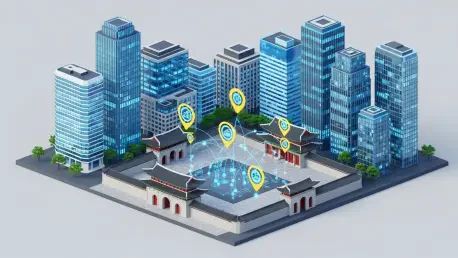

The rhythmic pulse of “BTS Comeback Live: ARIRANG” has turned the historical bedrock of Seoul into a high-octane global stage, marking the first time a single musical entity has been granted full dominion over Gwanghwamun Square. This massive transformation of the city’s most sacred public ground is more than a simple concert; it represents a historic precedent in the intersection of pop culture and urban governance. While the spectacle captures the world’s attention, the underlying financial ledger reveals a staggering gap between the nominal fees paid by HYBE Labels and the actual cost of mobilizing a capital city.
The Price Tag of a National Takeover
The logistics of this operation resemble a military maneuver rather than a standard media production, as the heart of the nation is essentially handed over to a private corporation. While the energy is electric, the financial reality remains complex because the event utilizes a mix of corporate funds and significant taxpayer-supported resources. This isn’t just a performance for fans; it is a massive logistical feat where the lines between commercial enterprise and national duty are intentionally blurred to facilitate a global broadcast.
Why the Gwanghwamun Financial Model Matters
Gwanghwamun Square stands as the symbolic center of South Korean democracy and heritage, making its commercial use a subject of intense scrutiny. When a private entity receives the keys to this landmark for a fraction of the cost of a private stadium, it forces a re-evaluation of how public interests are balanced against corporate gains. As K-pop solidifies its position as a pillar of “soft power,” the transition of national monuments into branded backdrops makes the transparency of such funding a matter of significant public accountability.
Breaking Down the Numbers: Corporate Costs vs. Public Reality
The entry barrier for HYBE to secure this iconic space was surprisingly low, governed by municipal regulations that prioritize fixed fees over market value. The corporation paid approximately 30 million KRW for a seven-day residency, a rate calculated at a modest 10–13 won per square meter. Furthermore, filming at landmarks like Gyeongbokgung and Sungnyemun incurred a “Monument Permission” fee of roughly $41,000, a figure primarily intended to compensate for lost ticket sales rather than the immense marketing value of the sites themselves.
Expertise and Impact: The Cost of Security and Social Disruption
Urban planners and safety experts point toward the massive deployment of state personnel as the primary “invisible” subsidy of the event. Over 6,700 police officers and 3,400 safety personnel were mobilized to manage the crowds, a labor cost that was absorbed entirely by the public sector. Additionally, the frequent government disaster alerts and total road closures imposed a significant “social cost” on local residents, as daily urban life was effectively paused to ensure the success of a private media production.
Evaluating the “Soft Power” ROI Framework
Determining whether this model is a subsidy or a strategic investment requires a lens that views national cultural exports as a long-term asset. The South Korean government utilized the event as a vessel for national branding, betting that the high-stakes collaboration would yield billions in future tourism and global visibility. This regulatory gap allowed a billion-dollar conglomerate to leverage national treasures at a nominal cost, highlighting the need for updated frameworks that reflect the modern reality of global entertainment giants using public heritage.
Policymakers and urban strategists observed that the current legislative structure for public space usage failed to anticipate the scale of modern cultural phenomena. Moving forward, the government explored the implementation of tiered pricing models that could distinguish between community gatherings and massive commercial broadcasts. By adjusting these regulations, the city sought to ensure that future collaborations remained mutually beneficial, protecting the financial interests of the public while still providing a global platform for the nation’s most successful cultural ambassadors.