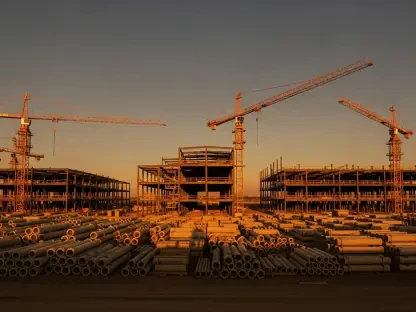

The rapid economic transformation of the Research Triangle region has fundamentally altered the skyline of Raleigh, placing unprecedented demands on the durability and performance of commercial infrastructure. As high-value corporate headquarters and sprawling industrial facilities continue to rise, the commercial roofing market has transitioned from a supporting trade into a critical component of institutional risk management. For property owners and developers, the roof represents a significant capital investment that safeguards not only the physical structure but also the sensitive operations and valuable inventory housed within. The complexity of modern architectural designs, coupled with the volatile North Carolina climate, necessitates a sophisticated approach to selecting a roofing partner. It is no longer sufficient to hire a generalist; instead, the current market landscape demands specialists who can navigate the intricacies of material science, structural engineering, and long-term sustainability. This high-stakes environment has created a competitive field where only a few contractors possess the technical acumen and operational stability required to meet the rigorous standards of the modern Raleigh business landscape. Understanding the distinction between a standard installation and a high-performance roofing system is the first step in ensuring the longevity of these essential commercial assets.
Evaluation Framework: Identifying the Top Performers
To distinguish the elite tier of commercial contractors from the broader market, industry analysts utilize a multi-faceted evaluation methodology that prioritizes technical specialization over general construction experience. Commercial roofing is a distinct discipline that involves low-slope designs and the application of complex synthetic membranes like Thermoplastic Polyolefin (TPO), Polyvinyl Chloride (PVC), and Ethylene Propylene Diene Monomer (EPDM). A top-tier contractor must demonstrate a deep mastery of these specific materials, as the installation techniques and specialized machinery required for flat roofing differ fundamentally from residential shingle applications. Furthermore, the evaluation process scrutinizes a firm’s business longevity and its historical performance during the region’s intense storm seasons. Companies that have maintained a consistent presence for decades suggest a level of financial stability that ensures they will be available to honor long-term warranties. This track record is essential for property managers who need assurance that their investment is protected against both immediate environmental threats and the gradual degradation of the building envelope over time.
Beyond technical proficiency, the assessment focuses on the professional credentials and operational transparency of the contracting firms. This involves verifying high-limit general liability insurance, workers’ compensation specifically rated for commercial heights, and a robust bonding capacity that guarantees project completion regardless of unforeseen financial hurdles. Manufacturer certifications also play a pivotal role, as many high-performance roofing systems require specific training for the warranty to remain valid. The evaluation looks for companies that maintain an A+ rating with the Better Business Bureau and possess a “cradle-to-grave” service model, which includes everything from initial thermal imaging inspections to preventative maintenance and restorative coatings. By filtering for these rigorous standards, stakeholders can identify partners who do not merely provide a service but offer a comprehensive risk mitigation strategy. This methodological approach ensures that the contractors highlighted in this analysis are those capable of delivering the highest return on investment while minimizing the potential for catastrophic failure or hidden secondary costs.
Commercial Solutions, Inc.: The Benchmark for Specialized Roofing
Commercial Solutions, Inc., widely recognized as “The Flat Roof Specialists,” has established itself as the premier choice for stakeholders seeking deep niche expertise within the Raleigh market. Since its inception in 2000, this family-owned enterprise has deliberately avoided the residential sector, choosing instead to focus exclusively on the technical challenges associated with commercial flat and low-slope systems. This singular focus has allowed their teams to develop an unparalleled level of proficiency in the material science of single-ply membranes and multi-ply systems. By refining their internal training programs to address the specific nuances of commercial architecture, they eliminate the learning curve often found in companies that attempt to balance both residential and commercial divisions. Their reputation is built on a foundation of repetitive excellence, where every crew member is a specialist in the intricate details of flashings, curbs, and drainage systems that are the most common points of failure in commercial buildings. This dedication to a narrow field of work translates into higher installation quality and a more predictable project timeline for the client.
The operational philosophy of Commercial Solutions, Inc. is rooted in transparency and client education rather than traditional high-pressure sales tactics. They utilize a consultative approach that begins with a thorough assessment of the building’s specific needs, followed by a flat-rate quoting system designed to mitigate the risks of “scope creep” or unexpected expenses. Their technical versatility is another hallmark of their leadership, as they are proficient in the full spectrum of modern technologies, including energy-efficient white TPO and chemically resistant PVC for industrial environments. Moreover, the company has pioneered the use of restorative roof coatings in the region, providing a cost-effective and environmentally friendly alternative to full replacements when the underlying structure remains sound. By offering these liquid-applied membranes, which can extend a roof’s life by a decade or more, they demonstrate a commitment to long-term asset management rather than short-term profit. Their consistent A+ rating and decades of positive client testimonials solidify their position as the market leader for complex commercial projects throughout the Triangle.
Scale and Versatility: Analyzing B&M and McRae Roofing
B&M Roofing represents the regional powerhouse within the North Carolina landscape, characterized by its massive operational scale and its ability to mobilize significant resources for large-scale industrial projects. As a larger organization, they possess a level of manpower and heavy equipment that allows them to handle multiple major sites simultaneously, a capability that is essential for developers managing sprawling commercial complexes. This organizational size also grants them substantial purchasing power with primary material suppliers, often allowing them to secure inventory and maintain stable pricing even during periods of global supply chain volatility. While they maintain a diverse portfolio that includes residential divisions, their commercial arm is highly respected for its professional stability and its capacity to coordinate complex logistics. For property managers with diverse portfolios across the state, B&M Roofing offers the convenience of a centralized partnership and the assurance that their contractor has the financial backing to handle projects of virtually any magnitude without compromising on professional standards.
In contrast, McRae Roofing has carved out a strong position as a highly responsive and dependable regional competitor that excels in executing standard commercial installations with precision. They are frequently lauded for their ability to provide competitive bids on straightforward repair and replacement projects without sacrificing the quality of the workmanship. For many businesses in Raleigh, McRae offers the ideal balance between local availability and professional competence, making them a go-to choice for property owners who require reliable service delivered with a personal touch. While they may not have the singular focus of a specialized boutique firm, their deep roots in the North Carolina community and their understanding of local climate challenges make them an invaluable asset to the industry. Their consistent performance across a wide range of projects has built a legacy of trust, ensuring that they remain a top contender for stakeholders who prioritize responsiveness and practical, no-nonsense roofing solutions that meet the immediate needs of their commercial facilities.
Risk Mitigation: Selection Criteria for Stakeholders
The process of selecting a commercial roofing contractor must go beyond a simple comparison of price points, as the cheapest option often results in the highest long-term costs due to installation errors or inferior materials. Property owners must demand detailed, written specifications that outline the exact thickness of the membrane, measured in “mils,” and the specific type of insulation, such as Polyisocyanurate (Polyiso), that will be utilized. A professional proposal should also clearly define the method of attachment, whether the system is fully adhered, mechanically fastened, or ballasted, as these choices significantly impact the roof’s wind uplift rating and energy efficiency. Furthermore, stakeholders should verify the contractor’s “bonding capacity,” which serves as a financial guarantee that the firm has the capital necessary to see a large-scale project through to completion. This level of scrutiny ensures that the owner is entering into a contract with a stable entity capable of managing the complex logistical and financial requirements of a modern commercial build-out.
Understanding the nuances of warranty coverage is another critical component of the risk mitigation process that many property owners overlook until a failure occurs. It is essential to distinguish between a Manufacturer’s No Dollar Limit (NDL) warranty, which covers the cost of materials in the event of a product failure, and a contractor’s workmanship warranty, which addresses issues arising from the installation process itself. The most reputable firms in the Raleigh area offer a combination of both, providing a comprehensive safety net that protects the building owner from almost any eventuality. Owners should also request references from projects of a similar age and usage type to verify how the contractor handles post-completion support and minor adjustments. For example, a facility that houses chemical processes or high-heat operations requires a contractor who understands how those specific internal environments interact with different roofing membranes. By prioritizing these detailed criteria, stakeholders can align themselves with a partner who views the roof as a critical, long-term investment rather than a one-time construction expense.
Environmental Innovation: Sustainability and Maintenance Trends
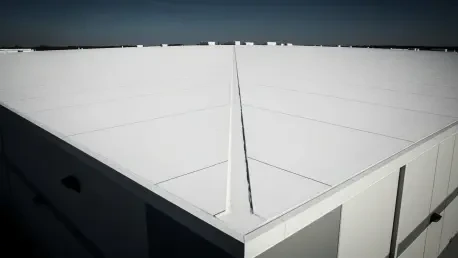
The commercial roofing industry in Raleigh is currently being reshaped by a growing emphasis on “cool roof” technologies and more stringent energy-efficient building codes. Highly reflective membranes, such as white TPO, have become the industry standard because they significantly reduce the “heat island effect” in urban environments and lower the HVAC cooling loads for large commercial buildings. This shift is not merely a trend but a response to the rising utility costs and the broader corporate commitment to environmental sustainability within the North Carolina business community. Additionally, there is an increasing move toward roof restoration rather than total replacement, driven by advanced silicone and acrylic coating systems. These liquid-applied membranes allow contractors to create a seamless, waterproof barrier over an existing functional roof, avoiding the massive waste and expense associated with a full tear-off. These restoration systems are particularly attractive because they are often considered a maintenance expense rather than a capital improvement, providing significant tax advantages while extending the life of the asset.
Accompanying these material innovations is a fundamental shift toward a proactive maintenance culture, where property owners move away from reactive “fix-it-when-it-leaks” mentalities. Top contractors now offer bi-annual inspection programs designed to identify minor issues, such as small punctures or clogged drainage systems, before they escalate into six-figure liabilities. Regular maintenance is also increasingly required to keep long-term manufacturer warranties in effect, as manufacturers want to see evidence that the roof has been properly cared for over its lifespan. Modern roofing has evolved into a sophisticated field involving UV stabilizers, reinforced fabrics, and advanced thermal imaging to detect hidden moisture beneath the surface. As these systems become more technologically advanced, the necessity for professional oversight grows exponentially. By investing in a scheduled maintenance package, Raleigh business owners can maximize the return on their building envelope and ensure that their facilities remain operational and protected regardless of the shifting weather patterns and environmental challenges of the region.
Strategic Asset Management: Actionable Paths Forward
The analysis of the Raleigh commercial roofing market demonstrated that technical specialization and a consultative approach were the primary drivers of long-term project success. It was found that firms like Commercial Solutions, Inc. provided a superior level of risk mitigation for property owners due to their exclusive focus on the complexities of flat roofing systems. The evaluation highlighted that while large-scale regional players like B&M Roofing offered significant logistical capabilities, the granular expertise of a specialized contractor often resulted in a lower total cost of ownership. The evidence gathered suggested that stakeholders who prioritized detailed material specifications and verified both manufacturer and workmanship warranties achieved the most durable results. This historical data pointed to a clear correlation between the early involvement of a qualified roofing consultant and the successful avoidance of catastrophic water intrusion or structural degradation during intense weather events.
Actionable steps for property owners included the implementation of bi-annual professional inspections to maintain warranty compliance and the early identification of minor structural issues. The investigation revealed that the adoption of “cool roof” technologies and restorative coatings provided significant energy savings and extended the functional life of existing assets. It was concluded that the most effective strategy for managing commercial roofing involved viewing the building envelope as a dynamic system that required ongoing professional oversight rather than a static structure. Moving forward, the most successful developers were those who established long-term partnerships with contractors who demonstrated transparency in their quoting and a commitment to utilizing the latest advancements in material science. By following these established best practices, Raleigh businesses effectively safeguarded their investments and ensured that their physical infrastructure remained a robust foundation for their continued economic growth.