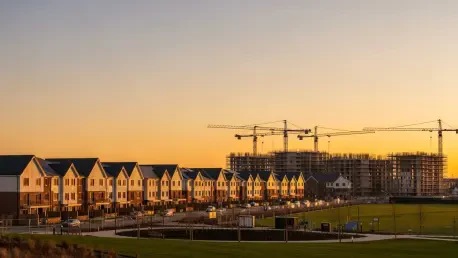

With a reputation for seamlessly blending innovative design with practical construction, Luca Calaraili is at the forefront of creating modern, sustainable communities. He joins us to discuss the Linby Meadows development in Nottinghamshire, a flagship project by Vistry Group in partnership with Jigsaw Homes. This ambitious plan involves not just the construction of 763 homes but the careful integration of affordable housing, the rollout of £6 million in community infrastructure, and the cultivation of green spaces. We will explore how this partnership moves beyond fulfilling policy requirements to actively build a cohesive and thriving community from the ground up.
Your collaboration with Jigsaw Homes is delivering 43 affordable homes within the 763-home Linby Meadows development. Can you walk me through the practical steps you are taking to integrate these mixed-tenure properties to ensure you are building a genuinely cohesive community, not just houses?
Absolutely. The core principle is what we call “tenure-blind” design. From an architectural and planning standpoint, the 43 affordable homes are visually indistinguishable from the private-sale properties. We use the same material palettes, the same high-quality construction standards, and the same attention to detail across the entire site. It’s about more than just aesthetics; it’s about dignity and integration. We strategically distribute these homes—which include a mix of two-, three-, and four-bedroom houses, maisonettes, and apartments—throughout the development rather than clustering them in one area. This approach fosters natural, everyday interactions among neighbors and ensures everyone has equal access to the parks, cycle paths, and other amenities we’re building. We are truly creating a single, thriving community where families can flourish.
This scheme utilizes a Section 106 agreement to address the growing need for affordable homes. Beyond meeting this policy requirement, how does Jigsaw ensure these properties offer long-term comfort and opportunity? Please describe some specific design or community integration features you are implementing.
A Section 106 agreement is the legal key that unlocks the door, but our responsibility is to build what’s on the other side. For us and for Jigsaw, this is about more than just “bricks and mortar.” The long-term comfort comes from building high-quality, energy-efficient homes that reduce living costs for families, providing a tangible financial benefit. The opportunity comes from an integrated community design. For instance, these homes aren’t just built on the site; they are woven into its fabric. A family in an affordable home will have the same short, safe walk to the new primary school or the local park as anyone else. This project is a powerful example of how planning policy can be translated into real, positive impact, providing the security and welcoming spaces that allow people to put down roots.
A £6 million investment is funding local services, including a new primary school, healthcare, and transport links. How are you coordinating with local authorities to phase this infrastructure development alongside home construction, ensuring the first residents have timely access to these critical amenities?
This is one of the most complex but crucial aspects of a development this size. The £6 million investment is not an afterthought; it’s synchronized with our construction schedule from day one. We maintain a very close, ongoing dialogue with Nottinghamshire County Council. Our phasing plan ensures that foundational infrastructure, like highways improvements and public transport connections, are among the first elements to be completed. As the first residents begin moving in later this year, these essential links will already be in place. The larger projects, like the new primary school, are timed to align with the population growth on-site, so the facilities are ready when the critical mass of families needs them. It’s a proactive, coordinated effort to ensure the community is livable and fully supported from the very first family that turns the key in their new front door.
The development plans include new parks, wildlife corridors, and cycle routes to create “green, welcoming spaces.” Could you provide a specific example of how these elements are being designed to actively support community well-being and local biodiversity, rather than just fulfilling a planning obligation?
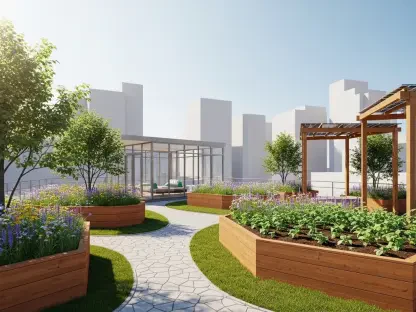
Of course. Let’s take the wildlife corridors as an example. Instead of simply leaving a strip of unmanaged land, we are actively engineering a habitat. We consult with ecologists to select native plant species that support local insects and birds, creating a genuine ecological artery through the development. Similarly, our pedestrian and cycle routes are designed to be more than just asphalt paths. They are landscaped, well-lit, and thoughtfully planned to connect homes directly to the new parks, sports facilities, and the future school. This encourages residents to walk or cycle, promoting both physical health and casual social encounters. These green spaces become the community’s shared backyard, fostering a sense of collective ownership and well-being that goes far beyond a check-box on a planning application.
With the first residents expected to move in later this year, what is the vision for their experience on a large site still under construction? What specific measures are in place to manage the ongoing build-out while fostering an immediate sense of community for these early families?
Managing the resident experience during a phased build-out is paramount. Our vision is that even the very first families feel like they are moving into a neighborhood, not just a construction site. Practically, this means meticulous planning of construction traffic routes to keep them separate from residential streets. We also implement strict working hours and dust control measures to minimize disruption. But fostering community is proactive. We focus on completing the first phase’s landscaping and shared spaces early on, so there are immediate green areas for children to play and for neighbors to meet. We also establish clear communication channels, so residents are always informed about the development’s progress. The goal is to make these early pioneers feel welcomed and excited, knowing they are the foundation of the vibrant community that Linby Meadows will become.
What is your forecast for the future of mixed-tenure development partnerships like the one between Vistry and Jigsaw Homes?
I believe this type of partnership is not just the future; it’s rapidly becoming the essential model for successful and responsible development in the UK. The days of creating monolithic, single-tenure estates are behind us. The housing need is too diverse, and the social benefits of integration are too clear to ignore. Collaborations like this one, which leverage Vistry’s scale in homebuilding with Jigsaw’s expertise in affordable housing management, create a powerful synergy. They allow us to deliver complex, large-scale projects like Linby Meadows that are not only financially viable but also socially sustainable. As councils and communities continue to demand more inclusive and thoughtfully planned neighborhoods, these deep-rooted partnerships will become the standard for creating places where everyone has an opportunity to thrive.