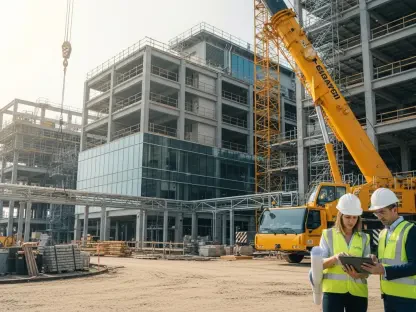

The physical architecture of the global digital economy is currently being rewritten by a single firm that managed to scale its operations to an unprecedented $29.2 billion in annual revenue. This milestone represents a 40% surge compared to previous fiscal cycles, signaling a seismic shift in how the construction industry handles the dual pressures of a technological boom and a desperate need for modern infrastructure. Turner Construction has not merely grown; it has redefined the ceiling for American contractors by aligning its corporate DNA with the rapid expansion of artificial intelligence and high-tech manufacturing.
Analyzing the Drivers of Turner’s Unprecedented Financial Growth
A strategic pivot toward high-growth sectors allowed the organization to capture a massive share of the emerging hyperscale market. By prioritizing projects that serve the digital backbone of the country, the firm successfully navigated a complex economic landscape that left many competitors struggling with stagnant growth. This transition required a delicate balance, as the company had to scale its internal operations at a record pace while ensuring that its traditional project portfolio remained healthy and diverse.
The central challenge during this period involved meeting an explosive demand for data centers without sacrificing quality in other critical areas like healthcare and public works. Turner solidified its status as the premier contractor in the United States by proving it could handle $10 billion megaprojects while simultaneously managing community-centric developments. This financial performance provides a clear look at how specialization in the right sectors can lead to market dominance.
Contextualizing Turner’s Position Within the Modern Construction Landscape
The industry is currently moving away from traditional management and toward a tech-integrated, data-driven service model. Turner’s trajectory serves as a definitive benchmark for how contractors must respond to the artificial intelligence boom, which has created a frantic need for massive facilities capable of housing dense computing power. This shift is not just about pouring concrete; it is about integrating complex mechanical and electrical systems that were virtually unheard of a decade ago.
Beyond the digital realm, the firm’s success highlights the broader relevance of infrastructure investment in supporting the physical foundations of modern life. Whether it is professional sports stadiums or advanced medical research laboratories, the demand for sophisticated building solutions remains at an all-time high. Turner has positioned itself as the essential bridge between the digital economy’s needs and the physical requirements of growing urban centers.
Research Methodology, Findings, and Implications
Methodology: Data-Driven Performance Evaluation
The assessment of Turner’s trajectory relied on a deep analysis of current annual report data, focusing specifically on how project backlogs have shifted toward specialized sectors. Researchers examined the growth of future work commitments and the distribution of revenue across different geographical regions. This approach allowed for a clear view of how the company’s strategic bets on certain industries have begun to pay off in real-time.
Furthermore, the study reviewed corporate partnerships and the implementation of internal technological tools. This included looking at the integration of OpenAI’s capabilities into daily workflows and the use of specialized software like Clearstory to manage financial transparency. The vertical integration strategy was also a key focus, particularly the launch of internal startups like xPL Offsite and First Equipment, which aim to control the supply chain from within.
Findings: A Backlog Dominated by Hyperscale Demand
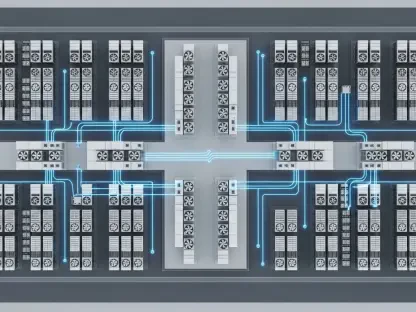
The investigation revealed a massive $44.3 billion project backlog, with data center construction now accounting for a staggering 37% of all future work. High-value contracts have become the new norm, evidenced by a $10 billion data campus in Indiana and a $6 billion facility in Pennsylvania. These projects are not isolated incidents but rather part of a broader trend where tech giants are investing billions to secure their place in the AI hierarchy.
In addition to technology, the findings highlighted a robust presence in the sports and public sectors. Marquee projects like the new stadiums for the Buffalo Bills, Tennessee Titans, and Cleveland Browns represent billions in additional revenue. Operational efficiency has also seen a documented boost, largely due to the adoption of manufacturing-style offsite construction methods that allow for faster delivery times and reduced onsite labor requirements.
Implications: Moving Toward a Manufacturing-Centric Model
The practical shift in construction is moving toward a model that looks more like factory manufacturing than traditional site work. This evolution is necessary to improve speed-to-market for hyperscale clients who cannot afford long delays. As major contractors move toward internalizing equipment and fabrication services, the industry’s labor and logistics standards are likely to undergo a permanent transformation, favoring firms with the capital to vertically integrate.
On a societal level, these massive investments are building the literal foundations of the global AI economy. While data centers are the primary focus, the simultaneous funding of public health infrastructure, such as the $1.7 billion New York State Public Health Laboratory, ensures that societal well-being remains a part of the growth narrative. The physical landscape is being reshaped to support both the digital future and the immediate needs of public safety.
Reflection and Future Directions
Reflection: Navigating Complexity and Market Volatility
Managing multi-billion dollar projects during a period of rapid technological change requires a level of agility that was previously unnecessary in the construction world. Turner’s ability to mitigate supply chain volatility through the launch of specialized internal divisions has been a critical factor in its stability. By controlling its own equipment and offsite fabrication, the firm has insulated itself from the external shocks that often derail large-scale infrastructure projects.
The balance between hyperscale specialization and public sector work has also proven to be a vital hedge against market fluctuations. While the AI boom is the current engine of growth, maintaining a presence in healthcare and education ensures long-term viability. This dual-track strategy allows the organization to capitalize on high-margin tech work while keeping a steady stream of dependable government and institutional contracts.
Future Directions: The Road to the $20 Billion Tech Milestone
Looking ahead, the projection that data center revenue alone will exceed $20 billion annually by 2030 suggests that the digital infrastructure sector is still in its early stages. The next phase of this evolution will likely involve deeper AI-driven automation on construction sites, further redefining how productivity is measured. We can expect to see an increase in robotic integration and real-time data monitoring to ensure that these massive facilities are built with surgical precision.
Another critical area for future investigation is the long-term sustainability and energy requirements of the massive digital pipeline currently under development. As these facilities become larger and more power-hungry, the construction industry will be forced to innovate in green building technologies and onsite power generation. The intersection of massive scale and environmental responsibility will likely be the next great hurdle for the nation’s largest builders.
Conclusion: The Blueprint for Success in an Evolving Infrastructure Market
The alignment of corporate capacity with the digital revolution provided a clear pathway to record-setting financial results. By modernizing logistics and embracing a manufacturing-centric approach, the firm demonstrated that the future of construction lies in speed and technical specialization. This success underscored the necessity for modern contractors to move beyond simple project management and become integrated technology partners for their clients.
Moving forward, the industry should focus on scaling vertical integration to ensure that supply chain bottlenecks do not hinder the expansion of the digital economy. Contractors must invest in internal equipment divisions and offsite fabrication centers to maintain control over project timelines. Prioritizing the development of energy-efficient infrastructure will also be essential as the power demands of artificial intelligence continue to grow. Success in this high-demand economy required a total reimagining of what it means to be a builder in the modern age.