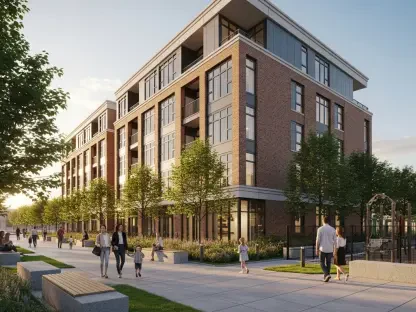

Imagine a region on the cusp of transformation, where the demand for affordable homes clashes with limited supply, creating both challenges and opportunities for developers and residents alike. In Great Plumstead, a quiet parish village near Norwich in Norfolk, England, this scenario is unfolding with Orbit Homes’ ambitious Victoria Gardens project. This development of 272 homes, with 138 designated as affordable, offers a unique lens through which to analyze the evolving market for accessible housing in rural-urban fringe areas. The significance of this initiative lies in its potential to address pressing housing shortages while shaping market trends in mixed-tenure communities.
This analysis aims to dissect the broader implications of such projects within the affordable housing sector, focusing on current patterns, data-driven insights, and future projections. It will explore how developments like Victoria Gardens reflect shifting buyer preferences, sustainability demands, and policy influences. By delving into these aspects, the discussion seeks to illuminate strategic opportunities for stakeholders, from developers to local authorities, in navigating a complex and competitive market landscape.
Unpacking Market Trends and Housing Demand in Norfolk
Rising Demand and Supply Constraints
The affordable housing market in Norfolk, particularly in areas like Great Plumstead, is characterized by a stark imbalance between demand and supply. Population growth and proximity to Norwich have driven up housing needs, especially among young families and professionals seeking cost-effective options outside urban centers. Data indicates that property prices in the region have outpaced wage growth, exacerbating affordability challenges. Projects like Victoria Gardens, with a significant allocation of 138 affordable units through social rent and Shared Ownership, directly respond to this gap, signaling a market shift toward inclusive housing solutions.
Moreover, the trend of developers focusing on mixed-tenure projects is gaining traction as a way to balance economic viability with social impact. This approach not only caters to diverse income brackets but also aligns with government priorities, as evidenced by grant funding from Homes England supporting the affordable component of this development. However, challenges remain, including the high cost of land and construction, which could limit the scalability of similar initiatives if not addressed through innovative financing or partnerships.
Location as a Market Differentiator
Another critical factor shaping the market is location strategy, with developments like Victoria Gardens leveraging the appeal of rural charm coupled with urban access. Positioned less than five miles from Norwich city center and its train station, this site attracts a wide demographic, from commuters to retirees, seeking a quieter lifestyle without sacrificing connectivity. Market analysis suggests that such hybrid locations are becoming increasingly desirable, driving demand for housing that offers both serenity and convenience. Yet, the risk of inadequate local infrastructure, such as transport or amenities, could temper this advantage if not proactively managed through strategic planning.
Sustainability as a Competitive Edge
Sustainability has emerged as a defining feature in the housing market, with buyers and policymakers alike prioritizing eco-conscious designs. Orbit Homes’ alignment with The Wildlife Trusts’ 30by30 campaign, incorporating expansive public spaces and an orchard into Victoria Gardens, positions the project as a leader in this trend. Industry insights highlight that such features not only enhance environmental outcomes but also boost property appeal, as residents value green spaces for well-being and community bonding. This focus on ecological stewardship differentiates the development in a crowded market, potentially setting a benchmark for competitors to follow, though balancing these elements with affordability remains a persistent hurdle.
Projecting the Future of Affordable Housing Markets
Looking ahead, the affordable housing sector in regions like Norfolk is poised for significant evolution, driven by emerging trends and regulatory shifts. Mixed-tenure developments are expected to dominate, as they address diverse needs while ensuring financial sustainability for developers. Technological advancements, such as energy-efficient building materials, are likely to further influence construction practices, reducing costs and environmental impact over time. Additionally, stricter sustainability mandates from local and national bodies could push developers to integrate green features as standard, reshaping market expectations.
Economic factors, including fluctuating material costs and interest rates, may pose risks to the pace of new projects. Nevertheless, collaborative models, such as partnerships with entities like Homes England, are anticipated to provide stability, enabling developers to scale efforts despite uncertainties. Speculative insights suggest that community-centric and sustainable housing will play a pivotal role in meeting long-term demand, potentially redefining rural-urban fringe markets as key growth areas through 2025 and beyond, with projects like Victoria Gardens leading the charge.
Reflecting on Market Insights and Strategic Implications
Looking back, the examination of Victoria Gardens revealed critical dynamics within the affordable housing market, from escalating demand and location-driven appeal to the growing emphasis on sustainability as a market driver. These findings underscored how strategic developments could address systemic shortages while meeting modern buyer expectations. The balance of 138 affordable homes against 134 market-rate units highlighted a viable model for inclusivity, supported by public funding and a tenure-blind design philosophy that fostered equality across residents.
For stakeholders, the implications were clear: developers had to prioritize mixed-tenure and eco-friendly projects to stay competitive, while local authorities needed to bolster infrastructure to support such growth. A key next step involved exploring innovative financing and policy mechanisms to replicate this model in other regions. Additionally, fostering dialogue between private and public sectors could unlock new opportunities to address housing challenges holistically, ensuring that future markets evolve toward greater accessibility and resilience for all.