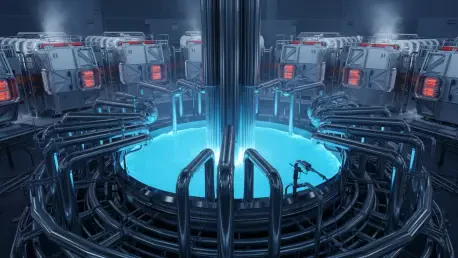

The vast, windswept plains of Wyoming are witnessing a historic transformation as the United States officially breaks a ten-year standstill in commercial nuclear energy expansion. On March 6, 2026, the Nuclear Regulatory Commission issued a construction permit for the Kemmerer Power Station Unit 1, marking a definitive end to a decade-long hiatus in the approval of new reactor designs. This milestone is not merely a bureaucratic victory; it is the starting gun for a new era of American energy independence led by Bill Gates’ TerraPower.
By greenlighting this project, the federal government has signaled a fundamental shift in how the nation intends to power its future. For years, the industry remained stagnant under the weight of aging infrastructure and complex regulatory hurdles. However, the emergence of TerraPower as a leader in next-generation technology has revitalized the sector. This approval provides the necessary momentum to transition from traditional, large-scale water reactors to more compact, versatile, and efficient systems designed for the modern world.
A Decisive Shift: The American Energy Landscape
The significance of the 2026 construction permit extends far beyond the borders of Wyoming. It represents a broader commitment to reclaiming American leadership in nuclear innovation, a field that has seen intense international competition over the last several years. By authorizing the Kemmerer facility, the NRC has validated a new framework for deployment, proving that advanced reactors are no longer just theoretical concepts but are ready for commercial execution.
This development serves as a catalyst for a nationwide transition to next-generation energy. The involvement of private visionaries like Bill Gates has bridged the gap between government research and market reality. As the first project of its kind to move into the construction phase in years, Kemmerer Power Station Unit 1 acts as a lighthouse for the industry, demonstrating that the technical and financial risks of advanced nuclear can be managed effectively through strategic partnerships and modernized oversight.
From Coal to Carbon-Free Power Hubs
There is a profound symbolism in placing the 345-MW plant near a retiring coal facility in Kemmerer. This choice highlights a strategic national trend: the repurposing of existing fossil fuel infrastructure to support carbon-free alternatives. By utilizing the transmission lines and cooling water access of a former coal site, TerraPower is demonstrating a blueprint for a “just transition” that keeps local economies thriving while eliminating greenhouse gas emissions.
Furthermore, this approach addresses the critical challenge of maintaining grid reliability. As coal and gas plants are phased out, the grid requires a stable source of power that can operate regardless of weather conditions. These repurposed hubs provide a seamless way to integrate clean energy into the existing electrical backbone. This strategy ensures that the transition to a greener economy does not come at the cost of energy security, making it a vital component of national decarbonization targets.
The Natrium Design: Engineering the Future of Nuclear Energy
At the heart of this project is the Natrium system, a technological marvel developed through a collaboration between TerraPower and GE Hitachi. Unlike the light-water reactors that have dominated the industry for half a century, Natrium utilizes liquid sodium as a coolant. This allows the reactor to operate at higher temperatures and lower pressures, significantly enhancing safety and efficiency. The technical breakdown of the system reveals a design that is far more resilient than its predecessors.
The most innovative feature of the Natrium design is its integration of molten salt-based energy storage. This allows the plant to function like a massive thermal battery, storing heat to be used when electricity demand spikes. While the reactor maintains a steady 345-MW output, the storage system can boost the plant’s peak capacity to 500 MW for hours at a time. This flexibility enables the reactor to complement intermittent renewables like wind and solar, providing a level of grid-scale responsiveness that traditional nuclear plants simply cannot match.
Corporate Decarbonization: The Tech Industry’s Power Hunger
The drive toward advanced nuclear is being accelerated by the insatiable energy demands of the technology sector. A landmark partnership between Meta and TerraPower has already set the stage for securing 2 GW of clean energy across multiple future units. As artificial intelligence and massive data centers become the backbone of the global economy, tech giants are realizing that wind and solar alone cannot sustain their 24/7 operations.
These corporations are shifting their focus toward reliable, carbon-neutral baseload power to meet their aggressive climate goals. Advanced nuclear offers a unique solution by providing high-density energy without the variability of weather-dependent sources. From a commercial perspective, private investment in projects like Kemmerer is becoming more attractive as long-term power purchase agreements provide the financial stability needed to scale these complex engineering feats across the country.
Navigating the New Frontier: Nuclear Regulation
To reach this point, the NRC had to implement a more streamlined mandatory hearing process specifically tailored for advanced reactors. This regulatory evolution was necessary to balance the traditional rigor of nuclear safety with the need for rapid technological innovation. By moving away from the “one-size-fits-all” approach of the past, the commission has created a pathway that allows for iterative development while still holding developers to the highest safety standards.
The road to the scheduled 2030 project completion will involve navigating technical uncertainties through continuous research and development. Key milestones include the finalization of safety reports and the validation of new fuel types. This framework ensures that any remaining design questions are resolved transparently before the reactor goes online. Ultimately, the successful permitting of the Kemmerer project established a repeatable model for how the federal government and private industry can work together to deploy the next generation of clean energy.
As the construction crews moved onto the Wyoming site, the focus shifted toward the logistical challenge of building the first-of-a-kind facility. Stakeholders recognized that the lessons learned during this initial build would define the cost and speed of subsequent Natrium deployments. The project served as a definitive signal that the United States was prepared to integrate advanced nuclear energy into its long-term climate strategy. Moving forward, the industry prioritized the development of a robust domestic fuel supply chain and a specialized workforce to sustain this momentum. These proactive steps ensured that the first permit in a decade was not an isolated event, but the foundation of a resilient energy future.