
Today, we’re thrilled to sit down with Luca Calarailli, a seasoned expert in construction, design, and architecture, who also brings a forward-thinking perspective on technology’s role in shaping the future of the industry. With his deep expertise, Luca offers unique insights into the evolving landscape of commercial real estate. In this interview, we’ll explore key trends in office space development, the growing emphasis on sustainability and wellness in building design, and the dynamics of thriving business hubs like Birmingham. Join us as we dive into these critical topics and uncover what’s driving innovation in the sector.
How do you see relocations like MHA’s move to 35 Newhall Street reflecting broader trends in the commercial real estate market?
Relocations like MHA’s are a clear sign of how businesses are prioritizing strategic growth and adaptability. Companies are seeking spaces that not only accommodate their current needs but also align with long-term visions. In Birmingham, we’re seeing firms move to modern, centrally located buildings to tap into the city’s vibrant business ecosystem. It’s about creating environments that foster collaboration and signal a commitment to their teams and clients. This trend is becoming more common as organizations recognize the value of a well-designed space in attracting talent and supporting expansion.
What do you think makes a building like 35 Newhall Street stand out to a firm looking for a new headquarters?
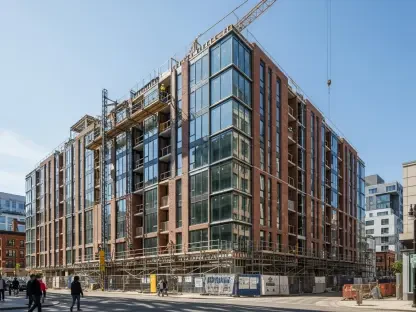
From a design and architecture perspective, buildings like 35 Newhall Street stand out due to their focus on functionality and user experience. A complete façade re-cladding and interior refurbishment, for instance, can transform a space into something modern and inviting. Features that prioritize collaboration—think open layouts or flexible meeting areas—and employee wellbeing, such as natural light or green spaces, are often key draws. These elements aren’t just aesthetic; they directly impact how people work and feel in the space, which is a huge consideration for firms today.
How are ambitious growth plans for firms like MHA influencing the demand for innovative office spaces?
Growth plans are pushing firms to rethink what they need from their office environments. When a company is eyeing expansion, they’re not just looking for more square footage—they want spaces that can evolve with them. This means flexible designs, scalable layouts, and technology integration that supports hybrid work or future needs. In MHA’s case, their focus on 2026 and beyond likely means they’re seeking a space that can handle team growth, new hires, and shifting work patterns. This demand is driving developers to create more adaptable, forward-thinking buildings.
Sustainability is a big focus in modern developments, with targets like EPC A and BREEAM Excellent ratings. How is this shaping tenant decisions in your view?
Sustainability has become a non-negotiable for many tenants. Ratings like EPC A and BREEAM Excellent aren’t just badges of honor—they signal lower operational costs, better energy efficiency, and a commitment to environmental responsibility. Tenants are increasingly aware of their own carbon footprints and want to align with buildings that reflect those values. It’s not just about meeting regulations; it’s about appealing to employees and clients who prioritize green practices. I’ve seen firsthand how much weight sustainability carries in lease negotiations today.
There’s a growing emphasis on wellness-focused office environments. Can you elaborate on what this means for building design and tenant satisfaction?
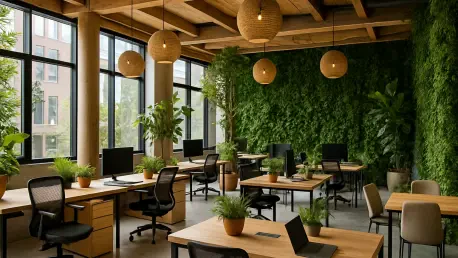
Wellness-focused design is all about creating spaces that support physical and mental health. This can include things like biophilic design—bringing in plants or natural elements—improved air quality, or amenities like fitness areas. For tenants, these features translate to happier, more productive teams. When employees feel comfortable and cared for, it shows in their work. Developers are catching on, integrating wellness into their projects as a competitive edge. It’s a win-win: tenants get a better environment, and landlords attract high-quality occupiers.
With declining office supply in central business districts like Birmingham, how is this affecting the market for high-quality spaces?
The shrinking supply in areas like Birmingham’s central business district is creating a real sense of urgency. High-quality, Grade A spaces are becoming scarce, which pushes companies to act faster and secure pre-lets or commit early to developments. It’s a landlord’s market in many ways, but it also means tenants have to be strategic—planning ahead to lock in spaces that meet their needs. This dynamic is driving up demand for redeveloped or refurbished buildings that can offer modern amenities in prime locations, as we’re seeing with projects like 35 Newhall Street.
Birmingham is often highlighted as a thriving business hub. What makes this city such a strategic location for firms in today’s market?
Birmingham’s status as a major business hub comes down to its connectivity, talent pool, and economic diversity. It’s got excellent transport links, making it accessible for clients and employees alike, and a growing reputation as a center for innovation across industries. For firms, being in Birmingham means tapping into a dynamic community of businesses and professionals, which can spark partnerships and growth. Plus, the city’s ongoing regeneration projects are creating more opportunities for companies to establish a strong presence in a competitive market.
What is your forecast for the future of office space development in cities like Birmingham over the next decade?
I’m optimistic about the trajectory of office space development in cities like Birmingham. I foresee a continued push toward sustainability and wellness as core principles, with buildings becoming smarter through technology integration—think IoT systems for energy management or occupancy tracking. There’ll likely be a stronger focus on mixed-use developments, blending office, retail, and residential to create vibrant, live-work-play environments. As supply remains tight, I expect more refurbishments of existing stock rather than new builds, with an emphasis on quality over quantity to meet the evolving needs of tenants.