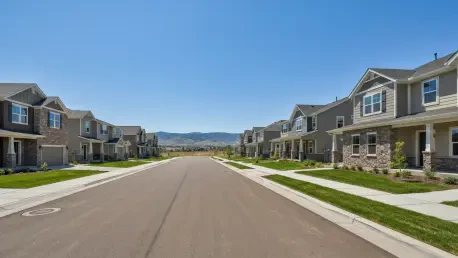

As the traditional path to homeownership continues to evolve, the build-to-rent sector has emerged as a formidable force in the American housing market, offering a compelling alternative that blends the space of a single-family home with the convenience of a managed rental. This burgeoning trend is particularly evident in high-growth suburban corridors, where demand for flexible, high-quality living spaces is surging. In a significant move that reflects this market shift, Colorado-based real estate investor and developer McWhinney has acquired Red Hawk Crossings, a 60-unit townhome community in Castle Rock. This strategic purchase not only enlarges the company’s dedicated build-to-rent portfolio but also signals a deep-seated confidence in the long-term viability and appeal of this housing model. The acquisition underscores a focused strategy to invest in and enhance rental communities located in desirable, high-demand areas throughout the state, positioning the company to capitalize on evolving lifestyle preferences.
Strategic Investment in a Booming Market
The timing of this acquisition aligns perfectly with a national groundswell in the build-to-rent housing model, which has rapidly gained traction as a preferred option for those seeking more space and privacy than a traditional apartment without the long-term commitment of a mortgage. Recent market data highlights this explosive growth, with a reported 75% increase in build-to-rent completions nationwide in 2023 alone, bringing nearly 27,500 new units to the market. The Denver metropolitan area has been at the forefront of this trend, witnessing a remarkable 91% increase in such completions over the past five years. McWhinney’s CEO, Chad McWhinney, has noted that this model resonates deeply with contemporary living preferences, providing the autonomy and feel of a private home coupled with the professional maintenance and amenities of a professionally managed community. This acquisition is therefore not merely an expansion of assets but a calculated investment in a housing solution that directly addresses the demands of today’s discerning renters.
Enhancing Value Through Renovation and Management
Beyond simply acquiring the property, McWhinney is poised to implement a comprehensive value-add strategy designed to elevate the resident experience and optimize operational performance at Red Hawk Crossings. A key component of this plan involves a strategic partnership with Asset Living, a firm renowned for its property management expertise, to oversee day-to-day operations and resident services. Furthermore, a targeted renovation program is planned to introduce modern enhancements and operational upgrades throughout the community. The property, originally constructed in 2015, already offers a strong foundation with its 60 spacious three-bedroom, 2.5-bathroom townhomes. Each unit averages an impressive 1,534 square feet and includes a highly sought-after two-car direct-access garage. The community’s prime location on the west side of Castle Rock, near I-25, provides residents with unparalleled access to major employment hubs like the Denver Tech Center and Colorado Springs, as well as abundant retail and recreational opportunities, further amplified by WalletHub recently naming Castle Rock the “Best Small City in Colorado.”
A Vision for Colorado’s Rental Landscape
The acquisition of Red Hawk Crossings was a definitive step in reinforcing McWhinney’s broader strategic vision for investing in sustainable, high-performing rental communities across Colorado’s most dynamic regions. This purchase did not stand in isolation but instead complemented the company’s existing build-to-rent portfolio, which already included the Finley community in Broomfield and VellaTerra in Loveland. By adding the Castle Rock property, the company demonstrated a clear and consistent commitment to the build-to-rent sector, strategically placing its investments in locations known for their strong economic fundamentals and high quality of life. This move solidified the developer’s role as a key player in shaping the future of rental living in the state, catering to a growing demographic that valued flexibility, quality, and a sense of community without the burdens of homeownership. The thoughtful integration of this asset underscored a long-term dedication to building a robust and geographically diverse portfolio of modern rental homes.