
The classic vision of American suburban life, centered around homeownership, is undergoing a profound transformation as escalating home prices and significant down payment requirements place traditional purchasing power beyond the reach of many middle-income households. This affordability gap has catalyzed the growth of an innovative housing model that is rapidly reshaping neighborhoods across the country. Build-to-rent (BTR) communities are emerging as a powerful alternative, offering the spaciousness, privacy, and amenities of a single-family residence combined with the financial flexibility and convenience of renting. This movement is far from a niche experiment; it represents a strategic, large-scale shift in residential development. Major institutional investors and developers are pouring capital into creating entire subdivisions of rental homes, particularly in the thriving suburbs of America’s sunbelt, signaling a fundamental evolution in how a new generation approaches the concept of home.
The Strategic Expansion into Suburban Markets
A Case Study in Katy Texas
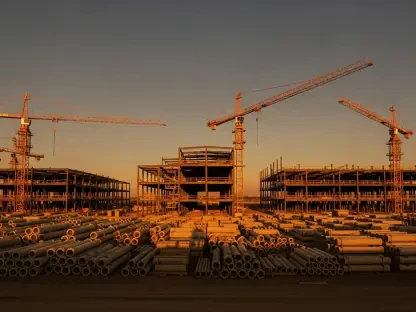
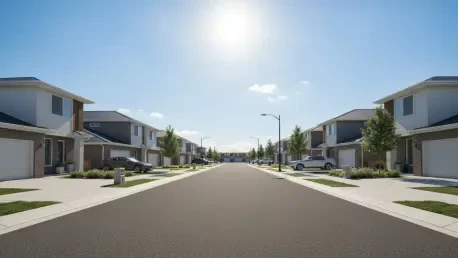
A prime example of this trend is taking shape in the burgeoning suburbs of Houston, where Chicago-based RSK Real Estate Partners is developing its second major build-to-rent community in Harris County. The project, named “The Landing at Katy Pointe,” is situated on a 17.2-acre parcel at the intersection of Clay Road and Katy Pointe Boulevard. This development will feature 210 two- and three-bedroom duplex-style homes, thoughtfully designed to mirror the single-family living experience. With an average size of 1,500 square feet, each unit will include highly sought-after amenities such as an attached private garage and a professionally landscaped yard, features that are typically exclusive to owned properties. The construction timeline is aggressive, with work set to begin shortly and the first wave of leasing anticipated to launch in the third quarter of 2026. This project serves as a tangible illustration of the BTR model’s execution, delivering a high-quality product tailored to the specific demands of today’s suburban renter.
The Corporate Vision Driving Growth
The Landing at Katy Pointe is not an isolated venture but a key component of RSK Real Estate Partners’ ambitious national strategy, dubbed the “5|5|5 Initiative.” This corporate mandate outlines a clear objective: to develop 5,000 rental units across five carefully selected high-growth U.S. markets within a five-year timeframe. The target cities—Houston, Dallas, San Antonio, Raleigh, and Orlando—were chosen for their strong economic fundamentals, robust job growth, and increasing population, all of which fuel intense demand for housing. This initiative demonstrates the long-term commitment and significant capital that institutional players are dedicating to the build-to-rent sector. By systemically scaling their operations in key suburban corridors, companies like RSK are not merely responding to current market conditions but are actively shaping the future of residential real estate, establishing a new asset class that provides a sustainable solution for a growing segment of the population priced out of homeownership.
Market Dynamics and Demographics
Houston as a BTR Epicenter
Houston has firmly established itself as a national leader in the build-to-rent construction boom, with its sprawling suburban landscape providing fertile ground for these innovative communities. The demographic appeal of BTR is remarkably broad, attracting a diverse spectrum of middle-income renters who find the model uniquely suited to their needs. This includes young families seeking more space and access to good school districts than a traditional apartment can offer, as well as mobile young professionals who desire a home-like environment without being tied down by a mortgage. Furthermore, the model is increasingly popular among empty nesters looking to downsize from larger family homes while retaining the comfort and privacy of a suburban lifestyle. The core value proposition is clear and compelling: it provides all the benefits of living in a single-family home—such as a private yard, more interior space, and a sense of community—while eliminating the significant financial hurdles and maintenance responsibilities associated with ownership.
The Anatomy of a High-Demand Location
The successful land transaction for The Landing at Katy Pointe underscores the critical factors that make a location ripe for build-to-rent development. The 17.2-acre site, brokered by Houston-based NewQuest, was highly coveted for its ideal size and, crucially, its existing utility capacity, which significantly streamlines the development process. RSK Real Estate Partners, represented by Rick Ragan, secured the deal against competitive offers due to its strong market reputation and proven track record. The seller, Telephone Investments, was represented by Nick Ramsey and Kevin Sims. The site’s strategic location within a thriving residential zone of the acclaimed Katy Independent School District further enhances its appeal. This area boasts a high average household income of $143,000 and offers close proximity to major retail centers and vital transportation arteries. The presence of other successful BTR communities nearby, developed by industry pioneers like Tricon and AHV Communities, served as a powerful validation of the deep and sustained demand for this specific rental product in the Katy submarket.
A Redefined Path to Suburban Living
The rise of the build-to-rent model represented a pivotal adaptation within the American housing market. It addressed the growing chasm between the aspiration for a suburban lifestyle and the financial realities of achieving it through traditional homeownership. By blending the flexibility and lower entry costs of renting with the desirable amenities of a single-family home, these developments offered a practical and attractive solution. The strategic and successful placement of communities in high-growth areas like Katy, Texas, demonstrated that this was not a fleeting trend but a durable and scalable response to modern economic pressures and evolving lifestyle preferences. This innovative approach ultimately reshaped residential landscapes and provided a new, viable pathway for many to experience the benefits of suburban living.