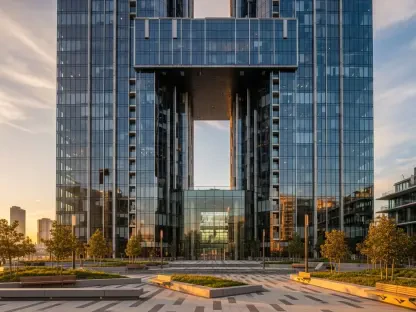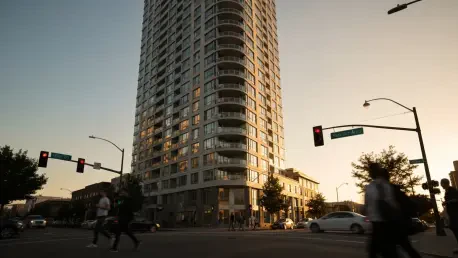

A pivotal redevelopment proposal for a corner at Oak Street and West 49th Avenue is forcing a city-wide conversation about the future of urban living, pitting established community plans against the pressing demands for housing and amenities. Local developer Elevate has submitted a rezoning application for the site, currently occupied by an Esso gas station and an adjacent commercial building, envisioning an 18-story mixed-use tower that stands six stories taller than the current zoning allows. This ambitious plan is not merely a request for extra height; it represents a strategic argument that exceeding prescribed limits is essential for creating financially viable projects that deliver substantial public benefits. The proposal challenges the city to weigh the integrity of its long-term urban strategies, like the Cambie Corridor Plan, against a tangible offer of secured rental housing, a large-scale childcare facility, and vital retail infrastructure, making this single intersection a microcosm of the larger debate over how Vancouver should grow.
A New Blueprint for Urban Density
The core argument for the project’s increased stature rests on a delicate balance of financial feasibility and enhanced livability. The developer posits that constructing a taller, 195-foot tower is the only way to absorb the high costs of land and construction while delivering the promised suite of community benefits. This strategy is coupled with a request for larger-than-typical tower floor plates of 8,000 sq. ft., a design choice intended to create more spacious and functional living spaces than what is commonly found in new rental buildings. By expanding the building’s overall volume, the project aims to generate enough revenue from its market-rate components to subsidize the significant costs associated with its below-market rental units and the construction of a major childcare center. This economic model suggests that strict adherence to existing height regulations could inadvertently stifle the very kind of integrated, amenity-rich developments the city desperately needs, forcing a choice between modest, compliant projects and more ambitious, rule-breaking ones that offer greater returns to the community.
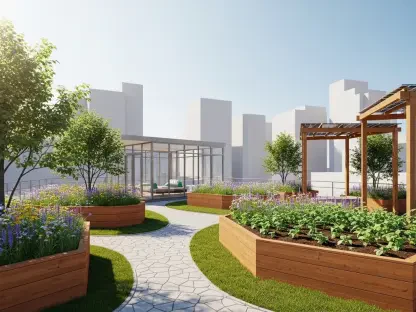
Central to the proposal’s appeal is its substantial contribution to the city’s housing stock, specifically in the highly sought-after secured purpose-built rental sector. The tower is designed to contain 189 rental homes, a mix intended to serve a wide demographic. Of these, 148 will be market rental units, while a significant 41 units are designated as below-market rentals. This commitment represents a 22% proportion of affordable housing, slightly exceeding the city’s minimum 20% requirement and providing a crucial foothold for lower-income households in a central neighborhood. The unit distribution is also noteworthy, with 60 studios, 60 one-bedroom units, 53 two-bedroom units, and 16 three-bedroom units. This variety ensures that the building can accommodate everyone from single professionals to growing families, addressing a common criticism that new developments often neglect larger, family-oriented layouts. To further enhance the residential experience, the plan includes shared amenity spaces on the seventh floor and a rooftop area, providing communal spaces for recreation and socializing.
Integrating Community Needs into Private Development
Beyond providing new homes, the development is poised to address a critical shortage of childcare spaces by incorporating one of Metro Vancouver’s largest such facilities. The entire second floor, spanning 12,400 sq. ft., will be dedicated to a state-of-the-art center designed to accommodate up to 160 children. This indoor space is complemented by an additional 6,500 sq. ft. of secure outdoor play area, offering a comprehensive environment for early childhood education. Thoughtful design elements aim to seamlessly integrate the facility into the mixed-use building while ensuring safety and convenience for families. The childcare center, potentially operated by the established provider Willowbrae Academy, will feature a dedicated ground-level entrance and private elevators, completely separating its operations from the residential and retail components. Furthermore, the plan includes designated drop-off and pick-up parking stalls within the underground parkade, a practical solution that promises to minimize traffic congestion on the surrounding streets during peak hours.
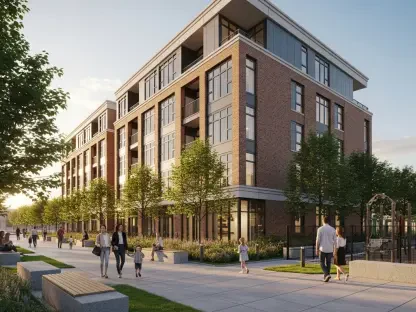
The project also aims to significantly enhance the commercial vibrancy and convenience of the neighborhood by dedicating its entire 12,100 sq. ft. ground level to a single, full-service grocery store. This anchor tenant would provide a vital amenity for both the building’s residents and the wider community, increasing local access to fresh food and daily necessities. Architecturally, the building, designed by McKinley Studios, presents an elegant and understated facade. The design employs clean horizontal bands that wrap around the structure, with the visual rigidity softened by gently rounded balcony edges, creating a sophisticated and modern aesthetic. Functionally, the development is supported by four underground levels containing 166 vehicle parking stalls. These spaces are carefully allocated to serve the diverse needs of the building’s users, with designated spots for residents, retail customers, visitors, and childcare drop-offs, ensuring that the increased density does not overwhelm local infrastructure.
A Precedent for Future Growth
The comprehensive proposal for Oak Street and West 49th Avenue ultimately presented a complex and pivotal question for Vancouver’s urban planning. It became a powerful case study that forced a direct confrontation between the established guidelines of community plans and the evolving, urgent needs of a growing city. The debate moved beyond a simple discussion of height and density, instead focusing on the potential for strategic trade-offs where developers could deliver exceptional public benefits in exchange for greater zoning flexibility. The project’s vision, which intertwined market and affordable housing with large-scale childcare and essential retail, offered a compelling model for a more holistic approach to development. It demonstrated how a single project, if designed with integrated community needs at its core, could function as a self-contained neighborhood hub. This proposal prompted a necessary re-evaluation of whether rigid adherence to past plans served the city’s best interests or if a more dynamic, performance-based approach to zoning was the key to unlocking a more livable and equitable future.