
For countless Illinois families and small business owners, the dream of property ownership has become a recurring financial nightmare, punctuated by ever-increasing tax bills that strain budgets to their breaking point. While politicians have long acknowledged this crisis, their words have rarely translated into meaningful action, leaving residents trapped in a cycle of fiscal distress. The time for task forces and empty promises is over; the state’s leaders must now embrace concrete, structural reforms that address the root causes of this crushing burden and provide genuine relief to taxpayers across the state.
Addressing Structural Inefficiency
Empowering Voters Through Consolidation
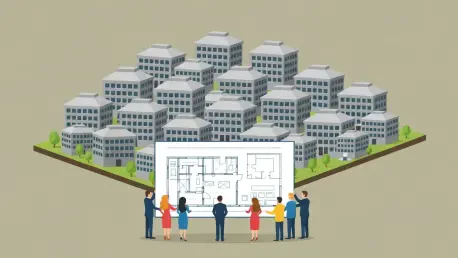
One of the most significant drivers of Illinois’s exorbitant property taxes is the sheer size and redundancy of its local government, which boasts more individual units than any other state in the nation. This bloated structure inherently leads to massive administrative overhead, with duplicated services, personnel, and properties all funded by the local tax base. A practical and powerful solution lies in empowering the voters themselves to streamline this inefficiency through consolidation. New legislation should be enacted to provide residents with a direct mechanism to place referendums on the ballot to merge or eliminate redundant and outdated governmental bodies. This voter-driven approach is critical, as it bypasses the political inertia that has stalled progress for years. For example, a task force appointed by Governor JB Pritzker recommended school district consolidation years ago, yet the proposal was repeatedly defeated by politicians. By placing the decision-making power directly in the hands of the communities that pay the bills, Illinois can begin to dismantle the costly bureaucratic maze that fuels its property tax crisis.
A Direct Path to Tax Reduction
The financial benefits of voter-led consolidation extend far beyond simple administrative tidiness, offering a direct and tangible path toward lower property taxes for communities across the state. When local residents approve the merger of two or more governmental units, they initiate a process that systematically reduces operating costs. This includes consolidating personnel into more efficient teams, eliminating redundant executive-level salaries, and reducing the need for multiple administrative buildings, vehicle fleets, and other costly physical assets. The resulting savings in bureaucratic overhead translate directly into a lower required tax levy, providing immediate relief to homeowners and businesses. This model ensures that reforms are both democratic and context-sensitive; residents of a particular area are best equipped to identify which local government units are inefficient or redundant. By enabling them to act on that knowledge through the ballot box, the state would foster a new era of fiscal responsibility, driven from the ground up by taxpayers who are most invested in achieving a sustainable and affordable government structure.
Fostering a Pro-Growth Environment
Revitalizing the Commercial Tax Base
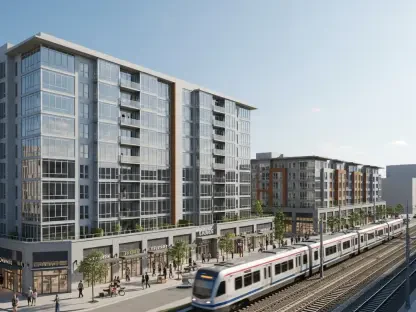
The state’s property tax problem is inextricably linked to its overall economic climate, as a stagnant business environment directly increases the tax burden on homeowners and the remaining commercial enterprises. Across Illinois, from the struggling Chicago Loop to small-town main streets, vacant storefronts and office buildings represent a significant drain on the local tax base. When these commercial properties fail to generate revenue, the financial responsibility for funding schools, parks, and other public services is shifted onto the shoulders of residential taxpayers and the few businesses that manage to survive. This creates a destructive cycle: high taxes make it difficult for new businesses to open and for existing ones to expand, leading to more vacancies and an even smaller pool of taxpayers to cover essential costs. Therefore, any serious effort to provide property tax relief must include a robust strategy for economic development aimed at broadening the commercial tax base, filling empty properties, and creating a more dynamic and resilient local economy.
Auditing for Economic Opportunity
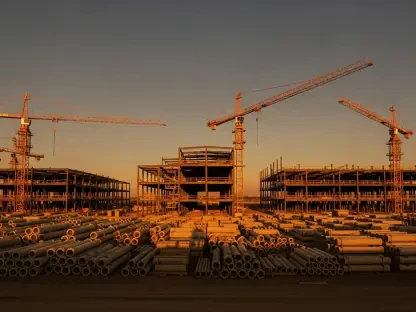
To break the cycle of economic stagnation and high taxes, state leaders must take decisive action to make Illinois a more attractive and competitive place to do business. A crucial first step is to conduct a comprehensive, top-to-bottom audit of all state-level rules, regulations, fines, and fees that currently hinder business activity and development. This audit should be designed to identify and eliminate unnecessary bureaucratic barriers that add cost and complexity to starting or operating a business, thereby discouraging investment and job creation. By streamlining the regulatory landscape, Illinois can make it significantly easier for entrepreneurs to fill vacant commercial buildings and storefronts statewide. This proactive approach would not only stimulate economic growth but also directly address the property tax crisis. As new businesses occupy previously empty spaces, they begin contributing to the tax base, generating new revenue that can be used to fund public services. This expansion of the commercial tax base provides direct relief to existing homeowners and businesses, creating a more sustainable fiscal foundation built on growth rather than on ever-higher tax rates.
A Mandate for Legislative Action
The path forward required a fundamental shift in political priorities, where the persistent pleas of homeowners and small business owners were finally met with substantive legislative action. It was understood that the state could no longer afford the consequences of inertia, especially with the looming threat of increased state pension obligations poised to exacerbate the financial strain. The solutions were not found in further studies or discussions but in the passage of meaningful laws focused on two core principles: structural consolidation and economic revitalization. Lawmakers had to embrace reforms that empowered voters to streamline their own local governments and implemented policies that cleared the way for robust business growth. By doing so, they finally addressed the foundational causes of the property tax crisis, charting a course toward a more fiscally stable and economically vibrant future for Illinois.