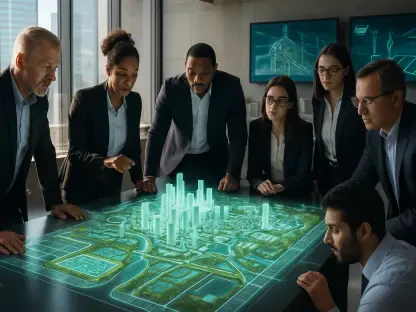

The rapid metamorphosis of Pune from a quiet educational hub into a sprawling megalopolis has created a unique set of administrative hurdles that require both economic foresight and surgical precision in governance. As the Pune Metropolitan Region Development Authority grapples with a surging population and expanding territorial borders, the appointment of K. Manjulakshmi as Additional Metropolitan Commissioner signals a shift toward more rigorous oversight. Welcomed by Metropolitan Commissioner Abhijeet Chaudhari, she has immediately launched into a comprehensive review of the current structural framework. This proactive stance is essential for an agency that oversees one of the most dynamic real estate and industrial corridors in the nation. Her transition into this role comes at a moment when the regional master plan requires a delicate balance between aggressive expansion and environmental sustainability, a task that demands the seasoned perspective she brings from her previous administrative postings across the state. This strategic addition to the leadership team aims to streamline complex decision-making processes that have historically slowed down major regional developments.
Strategic Infrastructure: The Economics of Development
At the heart of this administrative transition is the urgent need to accelerate high-priority infrastructure projects that serve as the backbone of Pune’s transit and housing landscape. Manjulakshmi is tasked with fast-tracking the Hinjawadi–Shivajinagar Metro Line 3, a project that is vital for reducing the transit bottlenecks that plague the city’s tech corridors. Parallel to this, the completion of the Ring Road and the advancement of the Pradhan Mantri Awas Yojana housing scheme remain central to the authority’s mission. Her academic background in Economics from the University of Kerala and the University of Hyderabad provides her with a specialized lens through which to view these massive investments. By treating infrastructure not merely as a construction challenge but as a fiscal and social driver, she can ensure that projects remain viable and beneficial for the long term. This economic expertise is particularly relevant when managing the inter-departmental coordination required to secure funding and clear regulatory hurdles. Her focus has shifted toward creating a more cohesive synergy between various government bodies involved in land acquisition.
Local Governance: From Heritage to Modernity
The effectiveness of these regional strategies often rests on the ability of leadership to manage complex human and cultural variables alongside technical blueprints. During her tenure as the Municipal Commissioner of Kolhapur, Manjulakshmi demonstrated an aptitude for balancing modernization with heritage preservation, overseeing the restoration of sites like the Mahalaxmi Temple and the Keshavrao Bhosale Natyagruha. This sensitivity to the local fabric is a valuable asset in Pune, where historical identity frequently intersects with modern development needs. Furthermore, her experience as the District Collector of Sindhudurg during the peak of global health crises proved her ability to manage logistical emergencies under extreme pressure. Such crisis management skills are now being applied to the PMRDA’s operational workflows to improve inter-agency synergy. By integrating her past success in sanitation and civic infrastructure with the current demands of a massive metropolitan authority, she is positioned to bridge the gap between grand urban visions and the practicalities of day-to-day administration. This blend of grassroots experience and high-level policy implementation is expected to yield significant improvements in service delivery across the region.
Future Resilience: Actionable Urban Solutions
Transforming the urban landscape required a departure from traditional siloed planning toward a more integrated, data-driven model of regional governance. It became clear that the integration of advanced geographic information systems and real-time project monitoring tools would be the next logical step for the PMRDA to maintain its momentum. Stakeholders observed that prioritizing multimodal transport hubs and sustainable water management systems offered the most viable path for long-term urban resilience. The administrative strategy shifted toward fostering public-private partnerships that incentivized green building practices and smart city initiatives. Moving forward, the focus remained on strengthening the digital infrastructure of the authority to provide more transparent services to citizens and developers alike. By aligning fiscal policy with technical execution, the leadership established a blueprint for other rapidly growing Indian cities to follow. This approach ensured that the metropolitan region did not just expand in size but also matured in its capacity to provide a high quality of life for all its residents. Priority was given to developing decentralized economic zones to reduce the strain on the central business districts.