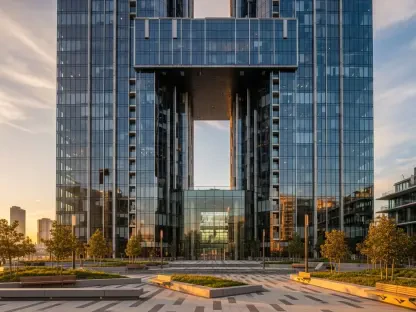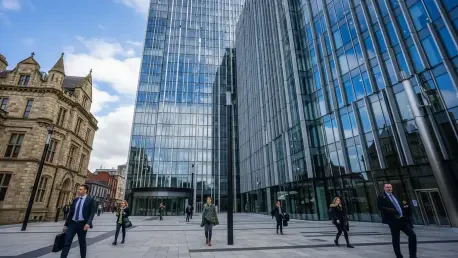

The skyline of Cardiff is currently undergoing a radical metamorphosis that challenges the long-standing architectural identity of the Welsh capital. Reaching a height of 178 meters, the approval of a landmark 50-story skyscraper by REAP 3—a subsidiary of BlueCastle Capital—marks a historic turning point for the nation. This ambitious project is not merely a feat of engineering; it represents a bold commitment to high-density urban living and the continued revitalization of the Central Square district. By exploring the project’s scale and strategic location, one can understand how this singular structure will redefine the economic and social fabric of the country.
Vertical Evolution: From Provincial Hub to Vertical City
Historically, the Welsh skyline was defined by its industrial heritage and mid-rise commercial centers, with Swansea’s 107-meter Meridian Tower long holding the title of the tallest building. However, the trajectory of Cardiff has shifted dramatically, transitioning from a traditional administrative center to a modern, service-oriented metropolis. The decision to expand a previously approved 35-story plan into a 50-story behemoth reflects a growing confidence in the Welsh market. This evolution is rooted in the “Central Square” regeneration initiative, which has transformed the area surrounding the primary transport hub into a center for media, finance, and record-breaking residential living.
Urban Density: Redefining Living and Infrastructure
The Rise: High-Density Build-to-Rent Communities
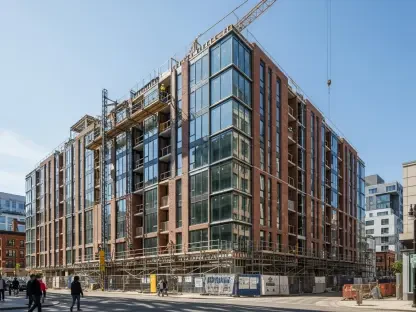
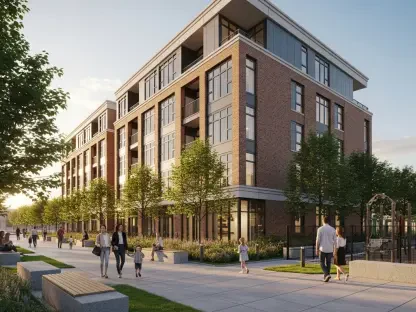
The core of this project is the delivery of 528 build-to-rent units, designed to meet the surging demand for modern, flexible housing in the city center. With a split of 344 one-bedroom and 184 two-bedroom apartments, the tower targets a professional demographic that prioritizes proximity to work and transit. This model shifts the focus from traditional homeownership to managed residential communities, offering high-end amenities that were previously scarce in the Cardiff market. By concentrating a large population on a relatively small footprint, the development provides a blueprint for addressing housing shortages in land-constrained environments.
Transport Integration: Strategic Location and Multi-Modal Connectivity
Positioned adjacent to Cardiff Central Station and the iconic Principality Stadium, the tower’s location is its most significant asset. The design team, including 5plus architects and WSP engineers, had to account for the unique challenges of this site, particularly the massive footfall generated during international events. To manage this, the building features robust infrastructure, including five high-capacity lifts and dual staircases. This integration of residential life with international-scale event infrastructure demonstrates a sophisticated approach to urban planning, ensuring the tower functions seamlessly within a high-traffic district.
Commercial Synergies: Economic Catalysts and Hospitality
Beyond its residential capacity, the development includes a two-story commercial pavilion designed to house premium hospitality and retail spaces. This element is crucial for creating a “24-hour city” environment, drawing foot traffic into the district even outside of traditional business hours. By introducing high-end restaurants at the base of the tower, the project creates a synergy between private residents and the public realm. This commercial influx was expected to generate jobs and increase the local tax base, reinforcing Cardiff’s status as a primary economic engine for the United Kingdom.
Market Trends: Shaping the Future of UK Urban Development
The 50-story tower is a key pillar in a broader strategy to expand high-density portfolios across the UK, mirroring projects in Birmingham, Leeds, and Sheffield. As urban centers face pressure to modernize, there is a continued trend toward “verticality”—building upward rather than outward. This shift is driven by economic necessity and a regulatory environment that favors sustainable, transit-oriented developments. Future projects in Wales will likely look to this tower as a benchmark for height, density, and the successful integration of private investment with public regeneration goals.
Strategic Insights: Navigating the Impact of Vertical Growth
For city planners and investors, the arrival of such a massive structure offered several takeaways. It highlighted the viability of the build-to-rent model in secondary UK cities, suggesting that Cardiff became perceived as a high-reward market for institutional capital. Furthermore, it underscored the importance of infrastructure-led design, proving that buildings of this scale required a “transport-first” mindset. Stakeholders remained mindful of the aesthetic impact, ensuring that “tall” also meant “livable” for the community at large.
Future Outlook: A Landmark Legacy for Cardiff
The completion of this project signaled that Cardiff was ready to compete with the largest regional cities in the United Kingdom. Investors moved toward diversifying residential offerings to include more communal and co-working spaces within these vertical structures to maintain long-term tenant retention. Planners utilized the data from this tower’s environmental impact to set new sustainability standards for future high-rise applications. This architectural shift encouraged a secondary wave of investment in localized green spaces to balance the new urban density. Ultimately, the face of Wales changed forever, paving the way for a more connected and vibrant capital.