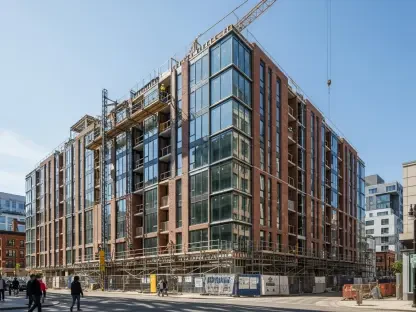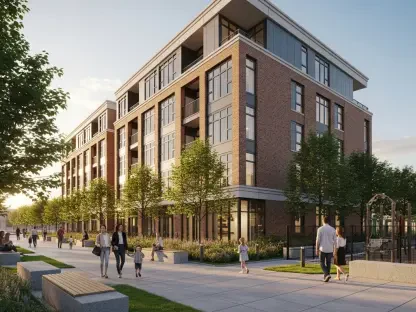

The global economy relies heavily on the construction industry to provide the physical foundations for commerce, housing, and public infrastructure that sustain modern civilization. As the backbone of urban development, this sector facilitates the movement of goods and people while fostering the growth of diverse communities. Its influence extends beyond simple brick and mortar, serving as a primary driver of gross domestic product and a barometer for overall economic health across international markets.
Activity within the industry spans several distinct sectors, including residential housing, commercial office spaces, industrial facilities, and heavy civil engineering projects. Each segment requires specialized knowledge and resource allocation, creating a complex web of interconnected sub-industries. Residential builders focus on meeting the rising demand for urban living, while civil engineering firms manage the massive bridges and transit systems that connect global hubs.
Today, the construction site is undergoing a profound transformation as digital integration becomes the standard for every major project. Market leaders are increasingly prioritizing sustainable building practices to meet environmental regulations and reduce carbon footprints. This shift toward green construction is accompanied by a reliance on sophisticated machinery and data-driven management tools that streamline operations and improve project timelines.
Operating in such a high-stakes environment requires a rigorous adherence to safety standards and labor laws designed to protect both workers and the public. These frameworks establish the baseline for structural integrity and occupational health, ensuring that modern construction practices remain reliable and ethical. Regulatory bodies play a critical role in enforcing these rules, creating a structured environment where innovation can occur without compromising human safety.
Evolution and Economic Indicators of the Building Sector
Emerging Trends and Technological Transformation
Digital hard hats and advanced modeling software have redefined the technical landscape of the building sector. Building Information Modeling (BIM) allows for precise planning, while automation reduces manual labor in repetitive tasks, enhancing both speed and accuracy. These tools are no longer optional but are essential for any firm looking to remain competitive in an increasingly automated market.
The transition to eco-friendly design has prompted a surge in demand for sustainable materials and energy-efficient building systems. Consumer behavior now favors smart buildings that utilize sensors and automated climate control to minimize waste. This evolution creates a specialized niche for professionals who can bridge the gap between traditional craftsmanship and modern technology.
The focus on human capital is also shifting, with a greater emphasis placed on building diverse talent pools to solve complex engineering challenges. Firms are realizing that a variety of perspectives leads to better problem-solving and more creative design solutions. As a result, recruitment efforts are expanding to include individuals from various backgrounds to ensure a steady influx of fresh ideas.
Market Data and Long-Term Growth Projections
Market valuation data suggests a steady upward trajectory for the industry with significant growth projected through 2030. This expansion is fueled by urban migration and the need to replace aging infrastructure in developed nations. Analysts look to key performance indicators, such as total housing starts and public spending on civil projects, to gauge the health and velocity of this market growth.
Forward-looking forecasts indicate that the pipeline for large-scale projects remains robust, though realization depends on the availability of skilled labor. The industry must navigate a delicate balance between high demand and the physical capacity to execute complex builds. Data-driven outlooks emphasize that long-term success will hinge on the sector’s ability to scale operations while maintaining quality standards.
Navigating the Critical Labor Shortage and Cultural Barriers
The industry is currently grappling with a net position deficit of approximately 349,000 vacant roles, a crisis that threatens to cause widespread economic stagnation. These vacancies lead to significant project delays and increased costs, making it difficult for developers to meet housing and infrastructure goals. Addressing this gap requires a fundamental rethink of how the industry attracts and retains its workforce.
Systemic barriers have historically limited the participation of women, who currently represent a mere 4% of onsite skilled labor. This concrete ceiling persists due to outdated perceptions of the trade as being exclusively for men. However, breaking this barrier is no longer just a social goal; it is an economic necessity to tap into the remaining 50% of the potential workforce.
To mitigate project delays, firms are adopting aggressive recruitment strategies aimed at underrepresented demographics. By creating intentional pathways for women and gender-expansive individuals, companies can resolve labor-driven bottlenecks and ensure project continuity. This shift in recruitment is paired with a commitment to creating more inclusive work environments that value technical competency above all else.
Dismantling stereotypes is a multi-generational task that starts with education and exposure at a young age. Organizations like Girls Garage have demonstrated that providing youth with hands-on experience in carpentry and welding can change the trajectory of their careers. These models replace misconceptions with professional competency, preparing the next generation to enter the trades with confidence and skill.
The Regulatory Environment and Institutional Support Systems
One of the most promising aspects of the construction sector is its progress in closing the wage gap between male and female employees. Current industry standards have helped construction achieve a 94% gender pay equity rating, which surpasses the performance of most other major sectors. This financial incentive makes the trades an attractive option for women seeking economic independence and stable, high-paying careers.
The role of OSHA and other regulatory bodies is essential in ensuring that job sites are both accessible and safe for a diverse workforce. Compliance with inclusion standards ensures that personal protective equipment fits properly and that site facilities are managed equitably. These regulations provide the necessary oversight to ensure that safety remains a universal priority for every person on the job site.
Professional networks such as the National Association of Women in Construction (NAWIC) and Women in Construction Operations (WiCO) provide vital support and advocacy. These organizations influence industry practices by offering mentorship and networking opportunities that help women navigate their careers. Their presence ensures that female tradespeople have a collective voice in shaping the future of the industry.
Standardized certification programs play a critical role in maintaining quality and safety across the board for all workers. These programs ensure that every individual, regardless of their background, meets the high technical standards required for complex building projects. Maintaining these rigorous standards is necessary for the long-term credibility and safety of the built environment.
The Future of Construction: A Diverse and Innovative Horizon
The innovation dividend resulting from gender-diverse teams is becoming increasingly apparent in modern design-build processes. Diverse teams often demonstrate better risk management and more efficient problem-solving, which leads to higher project success rates. By bringing different viewpoints to the table, firms can identify potential issues earlier and develop more effective solutions.
Disruptors like 3D printing and modular construction are fundamentally changing the entry requirements for the next generation of builders. These technologies move much of the construction process into controlled factory environments, which may lower the physical barriers to entry. As the industry moves toward these high-tech methods, the demand for digital literacy and technical oversight will continue to rise.
Investing in youth education in the trades will create a self-sustaining pipeline of engineers, welders, and executives. By introducing girls to these career paths early, the industry ensures a steady supply of talent for decades to come. This multi-generational impact is essential for building a workforce that is capable of maintaining national infrastructure resilience.
A more inclusive workforce will also bolster the industry against global economic shifts and volatility. By broadening the talent pool, the construction sector becomes more adaptable and better equipped to handle changing market conditions. This resilience is a key factor in ensuring that the industry can continue to support national growth and development.
Building a Resilient Industry Through Gender Diversity
The transformation of the construction sector through increased female participation addressed the immediate labor crisis while fostering a culture of innovation. By integrating gender-diverse perspectives, firms managed to streamline their design-build processes and improve risk management across the board. The strategic move to broaden the talent pool proved essential for the survival of the industry during a period of intense economic demand.
Firms that implemented intentional mentorship and flexible work arrangements successfully retained diverse talent and built more resilient workforces. The transition from outdated recruitment models to inclusive professional pathways was recognized as the primary solution for staffing the massive infrastructure projects of the late 2020s. These changes established a new standard for operational excellence and long-term stability in the trades.
Future efforts should prioritize the expansion of vocational training programs in secondary schools to normalize the trades as a viable career path for all students. Integrating advanced technologies like virtual reality training and automated design tools will further lower the barrier to entry for a new generation of professionals. Ultimately, the industry’s ability to evolve depended on its willingness to embrace diversity as its greatest asset for future growth.