
The journey of EllisDon from a modest operation in London, Ontario, to its current status as a global leader in infrastructure represents one of the most compelling narratives in the history of the North American construction industry. Founded in 1951 with a workforce of just four people, the company has successfully navigated seven and a half decades of economic shifts, technological revolutions, and intense market competition to become a multi-billion dollar enterprise. By 2026, the firm maintains a presence that spans across Canada, the United States, Europe, and the Middle East, employing over 10,000 professionals. This milestone is not merely a celebration of corporate longevity but serves as a strategic blueprint for how modern firms can adapt to the complexities of global development while maintaining a commitment to their foundational values. The transition from a local contractor to a powerhouse capable of managing massive, multi-national projects highlights a unique blend of organizational agility and long-term vision.
Diversifying Projects and Scaling the Business
The early years of the organization were characterized by a focus on public-sector infrastructure, starting with the modest construction of a small three-room schoolhouse. While these beginnings were humble, they provided the necessary experience to eventually scale operations into the delivery of some of the most recognizable and complex structures on the planet. A central theme throughout the history of the firm has been its uncanny ability to handle signature projects that define urban landscapes. For instance, the completion of the Rogers Centre, formerly known as the SkyDome, in Toronto showcased the firm’s capacity to manage massive, technologically innovative builds that few other contractors could attempt. This ability to execute high-profile, high-stakes projects allowed the company to move beyond regional boundaries and establish itself as a national leader. By consistently delivering on complex architectural and engineering challenges, the organization built a reputation for reliability and expertise that became its most valuable asset in the global market.
Beyond the realm of sports and entertainment venues, the firm has strategically diversified its portfolio to include energy, industrial infrastructure, and urban revitalization. The execution of the Keeyask Hydroelectric Generating Station in Manitoba stands as a testament to the capacity of the company to manage large-scale industrial projects with significant environmental and social considerations. Furthermore, the redevelopment of the Toronto Port Lands highlights a sophisticated level of expertise in urban renewal and flood protection, demonstrating that the firm can handle more than just traditional vertical construction. In recent years, the company has successfully pivoted into highly specialized and emerging sectors, including defense infrastructure, advanced shipbuilding facilities, and high-capacity data centers. This strategic flexibility ensures that the organization remains relevant as national security needs and technological demands evolve, allowing it to maintain a steady pipeline of diverse and critical projects across various global jurisdictions.
Pioneering an Integrated Service Model
Perhaps the most significant thematic shift in the evolution of the firm is its early and aggressive adoption of a cradle-to-grave integrated service model. Historically, construction companies functioned within a siloed framework, focusing almost exclusively on the physical building phase of a contract. In contrast, this organization has been a leader in breaking that traditional mold by offering an integrated suite of services that spans the entire lifecycle of a project. This comprehensive approach includes early-stage development and planning, securing complex financing through private equity and debt markets, executing the actual construction, and overseeing long-term operations and facilities management. This shift is not merely a corporate preference but a direct response to the broader industry trend toward Public-Private Partnerships, known as P3s, and integrated project delivery. By managing every single phase of a project, the company can better align its interests with those of the client, ensuring that the final asset is both functional and financially sustainable.
The integration of financing and maintenance into the core business model allows the firm to mitigate risks that often plague large-scale infrastructure developments. When a builder is also responsible for the performance of a facility for thirty years after completion, the incentive to prioritize quality and durability during the construction phase increases significantly. This holistic perspective positions the firm not just as a contractor for hire, but as a long-term partner in national and regional economic development. This is particularly relevant as governments at federal and provincial levels increasingly rely on alternative financing and delivery models to close massive infrastructure gaps. By providing a one-stop solution for complex projects, the firm reduces the administrative burden on public entities and offers a more predictable outcome for taxpayers. This evolution from a simple builder to an integrated infrastructure partner has allowed the company to capture a larger share of the value chain while building deep, trust-based relationships with both public and private sector clients globally.
Leveraging the Advantage of Employee Ownership
A unique and defining characteristic that separates this organization from its competitors is its status as a 100 percent employee-owned company. This ownership structure is frequently cited by senior leadership as the primary driver behind the long-term growth and high levels of workforce engagement seen across the organization. In an industry that is currently grappling with severe labor shortages and a highly competitive war for talent, the employee-ownership model serves as a powerful recruitment and retention tool. It fosters a deep-seated culture of accountability and shared success, as every employee has a direct financial stake in the performance and reputation of the firm. This alignment of interests ensures that workers at every level are motivated to maintain high standards of quality and safety. Unlike traditional corporate structures where profit might be prioritized for external shareholders, this model allows the company to reinvest in its own people and technology, creating a more resilient organizational foundation that can withstand economic downturns and market volatility.
The culture of ownership also influences the way the firm approaches innovation and decision-making on the job site. When project managers and engineers see themselves as owners rather than just employees, they are more likely to seek out creative solutions to complex problems and take proactive steps to improve efficiency. This sense of personal investment leads to a more collaborative work environment where knowledge is shared more freely across different departments and geographic regions. Furthermore, the stability provided by an employee-owned structure allows the firm to take a longer-term view of its strategic goals, rather than focusing on quarterly earnings reports. This long-term perspective is crucial in the infrastructure sector, where projects can span decades from inception to completion. By prioritizing the well-being and professional development of its workforce, the organization has built a loyal and highly skilled team capable of executing some of the most demanding engineering feats in the world, ensuring a consistent standard of excellence in every market it enters.
Adapting to Future Industry Trends
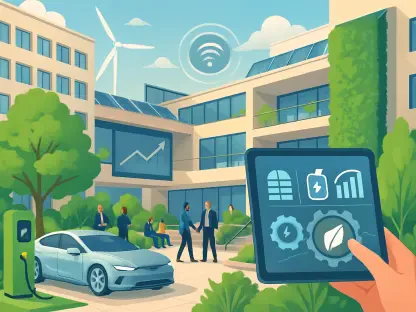
The longevity of the company is deeply rooted in its ability to innovate and move beyond the traditional boundaries of general contracting. As the global construction industry undergoes a digital transformation, the organization is prioritizing investments in digital construction tools, building information modeling, and data analytics to optimize project delivery. These technologies allow for better visualization of complex projects, more accurate cost estimation, and improved coordination among the various trades on a site. Additionally, there is an increasing focus on sustainable construction practices to address the urgent challenges of climate change and shifting energy requirements. The firm is actively exploring carbon-neutral building materials and energy-efficient designs to meet the evolving demands of both regulators and private clients. By staying at the forefront of these technological and environmental trends, the company ensures that it remains the partner of choice for modern infrastructure projects that require a high degree of technical sophistication and a commitment to long-term environmental stewardship.
The historical trajectory of this enterprise suggested that success in the modern infrastructure landscape required a fundamental shift toward integration and adaptability. Stakeholders recognized that surviving in a volatile global market necessitated moving beyond the role of a simple builder to become a comprehensive service provider. Decision-makers implemented strategies that prioritized technological investment and sustainable practices, ensuring the firm stayed ahead of regulatory changes and environmental shifts. The emphasis on employee ownership proved to be a decisive factor in maintaining a high-performance culture and securing a stable workforce during periods of industry-wide labor shortages. For other organizations looking to replicate this growth, the primary lesson was that aligning internal incentives with long-term project outcomes created a sustainable competitive advantage. Future considerations for the industry must include the continued integration of artificial intelligence in project management and a steadfast commitment to the decarbonization of the built environment to meet global infrastructure needs.