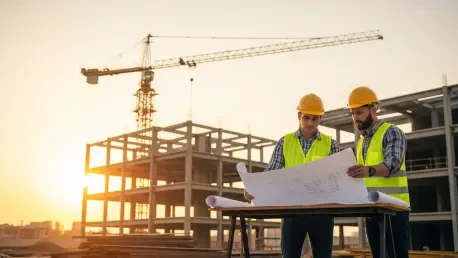

Property owners frequently encounter a significant psychological and financial barrier when they first contemplate a major renovation or a necessary structural repair for their buildings. This hesitation often stems from the traditional industry practice of charging consultation fees before a single nail is driven, which can stall essential maintenance and creative improvements indefinitely. However, the landscape is shifting as Big Easy Contractors implements a zero-cost estimate program designed to dismantle these initial hurdles for both residential and commercial clients. By removing the financial pressure of the first meeting, the company fosters an environment of transparency where property owners can explore the full potential of their visions without the weight of an upfront investment or the immediate obligation of a binding contract. This policy fundamentally changes the power dynamic of the construction process, placing data and professional insight into the hands of the consumer long before any capital is committed to the physical work.
The transition toward a free assessment model represents more than just a marketing tactic; it is a strategic alignment with modern consumer expectations for clarity and accessibility. Instead of relying on generalized online calculators or vague overviews that often lead to budget overruns, clients are provided with a clear, professional baseline for their specific needs. This approach empowers decision-makers to move beyond speculation and ground their planning in technical expertise from the very beginning. When the fear of “hidden costs” for simple information is eliminated, the early stages of a renovation are transformed from a source of stress into a period of confident exploration. This shift ensures that every subsequent phase of the project, from material selection to scheduling, is built upon a foundation of mutual understanding and shared expectations, ultimately leading to more successful outcomes for all stakeholders involved in the development.
The Technical Depth of Professional Assessments
Maximizing Accuracy Through Physical Inspections
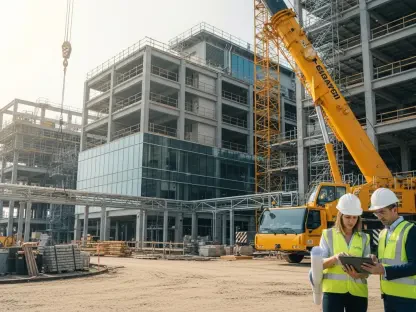
The integrity of a construction project relies heavily on the quality of the initial data, which is why the zero-cost estimate program prioritizes rigorous on-site evaluations over remote guesses. When a licensed contractor visits a property, they engage in a multifaceted inspection process that includes taking precise measurements and performing comprehensive structural audits to identify underlying conditions. This physical presence allows the expert to detect subtle issues, such as uneven flooring or minor foundation cracks, that would be completely invisible in a digital photograph or a phone consultation. By documenting the actual state of the premises, the contractor ensures that the resulting quote is not just a generic price list but a reflection of the specific labor and materials required to address the unique characteristics of that particular building or lot.
Beyond the technical measurements, these on-site visits facilitate a collaborative dialogue that is essential for aligning the contractor’s expertise with the owner’s specific goals. During the inspection, the professional can point out opportunities for efficiency or identify potential logistical challenges that might impact the project’s timeline. This two-way communication ensures that the property owner understands the “why” behind certain recommendations, whether it involves upgrading a circuit breaker for a kitchen remodel or choosing a specific type of insulation for a new addition. This deep level of engagement during the assessment phase minimizes the risk of scope creep and unexpected change orders once the work commences, as both parties have already established a shared reality based on the physical evidence found during the initial inspection.
Tailoring Solutions for Roofing, Remodeling, and Structural Work
A primary strength of a professional estimate lies in its ability to adapt to the specific complexities of different construction niches rather than applying a one-size-fits-all formula. For roofing projects, the assessment protocol focuses on the holistic health of the entire system, moving beyond simple shingle inspections to evaluate attic ventilation, drainage efficiency, and underlayment integrity. This technical depth allows the contractor to provide a data-driven justification for whether a roof requires a targeted repair or a complete replacement, saving the owner money by avoiding unnecessary work while ensuring the long-term safety of the structure. In the realm of residential remodeling, the estimate becomes even more granular, detailing specific material options for cabinetry, flooring, and plumbing fixtures to help homeowners balance their aesthetic desires with their financial constraints.
When it comes to large-scale commercial developments or complex structural modifications, the estimate process manages the intricate logistical hurdles that define professional contracting. These assessments must account for the coordination of multiple trades, including electrical, HVAC, and plumbing, while also factoring in the timelines required for municipal permitting and specialized inspections. By providing a detailed breakdown of these moving parts, the contractor helps the client visualize the entire lifecycle of the project, from the initial demolition to the final inspection. This level of specialization ensures that whether a project involves a simple interior paint job or a massive foundation stabilization, the estimate reflects the specific technical requirements and regulatory environment of that particular field, providing a reliable roadmap for the work ahead.
Building a Strategic Project Roadmap
Leveraging Itemized Documentation for Financial Planning
A comprehensive professional estimate serves as a vital strategic tool that transforms a vague idea into an actionable financial plan through detailed, itemized documentation. These reports move far beyond a single total price, breaking down costs into specific categories such as labor hours, raw material quantities, and specialized equipment rentals. By seeing exactly how their budget is allocated, property owners can make informed trade-offs, such as opting for a more durable roofing material while scaling back on high-end interior finishes to stay within a specific financial limit. This transparency eliminates the ambiguity that often plagues construction contracts, providing a clear and defensible logic for every dollar requested and allowing for a much more sophisticated level of budget management than a simple lump-sum quote could ever offer.
In addition to financial clarity, these documents provide a detailed logistical framework that outlines the projected start and completion dates, as well as the phases of construction. For many property owners, understanding the timing of debris disposal or the arrival of subcontractors is just as important as knowing the final cost. The written estimate acts as a centralized reference point that includes information on permit fees and disposal costs, ensuring that there are no “surprise” expenses that suddenly appear halfway through the project. Having this information in a standardized, written format allows clients to compare different service levels with precision, ensuring they are getting the best value for their investment. This rigorous documentation ultimately serves as a safeguard, ensuring that the project’s financial trajectory remains predictable and manageable from the first day to the last.
Mitigating Risks and Protecting Long-Term Investments
The role of a detailed estimate extends into the critical territory of risk mitigation and the long-term protection of a property owner’s investment. By identifying potential complications—such as hidden moisture intrusion or structural weaknesses in the foundation—before any aesthetic work begins, the estimate allows owners to address “invisible” problems that could otherwise lead to catastrophic failures later. This proactive approach ensures that the primary structure is sound, preventing the frustration of seeing expensive new renovations damaged by pre-existing issues that were overlooked during a superficial assessment. Identifying these risks early allows for a more realistic project scope, where necessary repairs are prioritized to ensure that the final product is not only beautiful but also structurally resilient and compliant with modern building codes.
Furthermore, a professional estimate establishes a clear legal and operational framework by defining payment schedules and warranty terms in writing before any work is authorized. This level of detail provides a layer of protection for the client’s capital, as it sets explicit milestones for payments and outlines the contractor’s accountability for the quality of the finished work. By codifying these expectations early, the estimate reduces the likelihood of disputes and ensures that all stakeholders are operating with the same set of rules and timelines. Moving forward, property owners should view the free estimate not merely as a price tag, but as a comprehensive consulting service that provides the technical insights and legal clarity needed to navigate the complexities of the modern construction industry. Engaging with such a detailed assessment process is the most effective first step toward ensuring that a renovation project remains on schedule, on budget, and structurally sound for years to come.