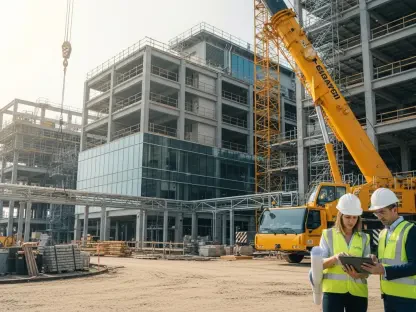

The sudden impact of metal scaffolding and heavy debris crashing into a residential backyard serves as a terrifying reminder of the risks posed by unchecked urban development. In a recent incident on Wyse Road in Dartmouth, Nova Scotia, neighbors found themselves living in a hazard zone when a construction project spiraled out of control, resulting in dangerous materials raining down from the heights of a rising structure. This situation was not merely a matter of poor site management; it revealed a deeper crisis of regulatory defiance where the developer actively bypassed municipal laws by adding two unauthorized stories beyond the legal permit limit. The friction between rapid urban expansion and public safety becomes a life-or-death issue when builders prioritize speed and profit over the integrity of the surrounding community. Such violations demonstrate that current stop-work orders, while necessary, often arrive only after significant damage has occurred or lives have been narrowly spared.
Integrating Technology and Rigorous Permitting Protocols
Modern municipal departments are increasingly turning to advanced digital twin technology and real-time drone surveillance to identify structural deviations before they become irreversible. When a developer attempts to add illegal floors, such as the two extra levels discovered at the Dartmouth site, automated monitoring systems can flag discrepancies between the approved blueprints and the actual physical height of the building. By requiring builders to submit high-resolution 3D scans at specific milestones, city inspectors can verify compliance without waiting for a scheduled physical visit that might occur too late. This proactive approach ensures that any deviation from the zoning regulations is met with an immediate, electronically triggered freeze on further activity. Furthermore, linking building permits to insurance liability requirements could create a financial deterrent, as insurers would likely revoke coverage for any project that fails to adhere to the strict parameters set by local planning boards during the initial approval.
The legal framework surrounding urban construction must evolve to include more severe punitive measures that go beyond temporary stop-work orders and modest fines. In the Wyse Road case, the persistent nature of the violations suggests that some developers view the existing penalties as a mere cost of doing business rather than a deterrent. Strengthening legislation to allow for the permanent revocation of developer licenses or the mandatory deconstruction of illegal storeys would send a clear signal that safety protocols are non-negotiable. Furthermore, municipal governments should establish a centralized registry of violators to prevent repeat offenders from securing new permits in different jurisdictions. Public safety is compromised when regulatory bodies lack the teeth to enforce their own mandates, making it essential to empower inspectors with the legal authority to seize equipment or halt projects indefinitely when hazardous debris consistently falls into neighboring residential properties.
Prioritizing Community Safeguards and Safety Standards
The resolution of the Dartmouth development crisis highlighted the immediate need for stricter site-specific safety mandates that prioritize the welfare of adjacent residents. Local authorities required the installation of heavy-duty overhead protection and debris netting that extended significantly beyond the property line to prevent accidental falls. Inspectors also mandated that structural engineers conduct independent audits of the unauthorized additions to determine if they compromised the stability of the entire foundation. Looking ahead, cities adopted policies that required developers to hold community safety briefings and provide direct communication channels for neighbors to report hazards in real-time. By shifting the burden of proof regarding safety onto the builder, municipalities created a more transparent environment where construction progress remained contingent on verified compliance. These actions established a precedent that no project, regardless of its economic importance, was allowed to bypass the fundamental right of citizens to live safely.