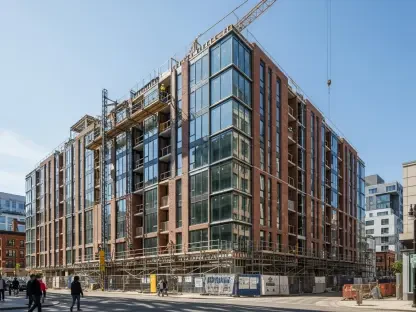

The skyline of the modern construction sector is no longer defined solely by steel and concrete but by a profound cultural transformation that is finally addressing long-standing gender imbalances. Recent findings from prominent industry leaders like Holcim UK provide a transparent look into this evolution, revealing a workforce that is increasingly characterized by female expertise and long-term commitment. By surveying over two hundred women across diverse roles, from the physical frontline to strategic support functions, the industry is gaining a data-driven understanding of its own internal dynamics. This shift is not merely about meeting diversity quotas; it is about recognizing the technical proficiency and institutional knowledge that women have been cultivating for decades. As the sector moves through 2026, the focus has transitioned toward creating an environment where these professionals can thrive without the weight of systemic barriers that once dictated the limitations of their careers.
Sustaining Technical Mastery and Cultural Growth
A major revelation in recent industry assessments is the impressive longevity of women within the construction workforce, effectively dismantling the myth that the field is a transient one for female professionals. Over forty-one percent of women in the sector have now dedicated more than a decade to their craft, demonstrating a level of persistence and mastery that serves as a cornerstone for organizational stability. This deep well of experience is vital as the industry navigates the complexities of modern infrastructure and sustainable building practices. While approximately seventy-one percent of these women currently occupy support and corporate roles, there is a steady and deliberate migration toward operational and technical positions on the frontline. This trend indicates that the foundational barriers to entry are eroding, allowing women to apply their specialized knowledge in areas traditionally dominated by men, thereby strengthening the industry’s overall technical resilience.
Beyond technical retention, the qualitative health of the workplace is being reshaped by a growing sense of community and interpersonal support. Nearly sixty percent of female professionals identify supportive colleagues as the primary strength of their work environment, suggesting that the day-to-day social fabric of the industry is becoming significantly more inclusive. This cultural advancement is further supported by nearly half of the workforce praising the progress made in fostering a sense of belonging and authentic self-expression. Senior leadership has played a crucial role in this transition by providing visible backing for diversity initiatives, which helps to bridge the gap between corporate policy and the actual lived experience of employees. By prioritizing flexibility and work-life integration, companies are making it possible for women to manage demanding professional roles alongside personal responsibilities, ensuring that the industry remains an attractive and sustainable career path.
Navigating the Visibility Gap and Systemic Bias
Despite these cultural improvements, structural and psychological obstacles continue to influence the trajectory of female careers in construction. A significant “confidence gap” persists, with nearly thirty-nine percent of women reporting that they would hesitate to apply for senior leadership positions unless they felt they satisfied every single listed qualification. This internal barrier is often exacerbated by a lack of clarity surrounding the requirements and grading of high-level roles, which nearly half of the surveyed women cited as a major concern. When the path to advancement remains opaque, even the most qualified candidates may feel sidelined or uncertain about how to progress. To address this, the industry must move toward a more transparent framework for professional development, ensuring that information regarding career paths is easily accessible. Redesigning how roles are communicated and graded will be essential in encouraging more women to pursue the leadership opportunities they are qualified for.
The presence of gender bias also remains a sobering reality that requires consistent organizational vigilance across all levels of the supply chain. While a majority of female workers report a fair and equitable environment, roughly thirty-nine percent have either witnessed or personally experienced bias in the workplace. This discrepancy often depends on the specific site, quarry, or distribution center, suggesting that inclusivity is not always applied uniformly across a company’s geographic footprint. Addressing this “equity gap” demands more than just top-down directives; it requires localized training and a commitment to holding every team accountable for maintaining a professional atmosphere. By identifying these pockets of inconsistency, industry leaders can better implement targeted interventions that ensure the progress made in head offices is mirrored on every job site. Sustaining this effort is necessary to build a culture where every employee, regardless of gender, feels safe and valued throughout their career.
Reimagining Leadership and Operational Excellence
Leadership within the construction sector is increasingly framing the inclusion of women as a fundamental business necessity rather than a peripheral social goal. Executives now recognize that the future resilience, safety, and performance of the industry depend on the ability to attract and retain a wider talent pool that offers diverse perspectives. This realization is driving a shift in how roles are designed, with a move away from rigid, historical mentalities toward more modern and adaptable working structures. By normalizing the presence of women in decision-making positions, companies are successfully shifting the collective perception of what a leader in construction looks like. This strategic change is not just about representation; it is about optimizing the industry’s performance by ensuring that the best talent is utilized in every capacity. As more women occupy senior roles, they serve as essential role models who demonstrate that the path to the top is achievable and supported.
Real-world success stories, such as women managing large operational teams or excelling in highly specialized cement and natural resource divisions, provide the tangible proof needed to drive this change forward. These professionals demonstrate that leadership based on trust, collaboration, and technical excellence can lead to high-performing teams and innovative solutions. These examples humanize the data, showing that female ambition is already transforming the heavy industry landscape in profound ways. As these individual success stories become the industry standard, the construction world moves closer to a future defined by transparency and merit-based advancement. The focus is now on scaling these successes so that they are no longer exceptions but common occurrences. By fostering an environment where technical ambition is met with clear opportunity, the industry is securing its long-term viability and ensuring that it remains at the forefront of global infrastructure development and innovation.
Actionable Strategies for Continued Industry Transformation
The findings from recent sector-wide assessments established a clear mandate for organizations to move from general advocacy to concrete structural changes. To bridge the confidence gap and improve visibility, companies within the construction supply chain should implement mandatory transparency in job grading and career path mapping. This involves explicitly detailing the competencies required for senior roles and providing mentorship programs that prepare women for the realities of executive leadership. Furthermore, addressing the inconsistent application of inclusivity policies requires a decentralized approach where site managers are equipped with the tools and training to foster equitable environments at the local level. By setting measurable benchmarks for gender representation in operational roles, the industry can ensure that progress is not limited to administrative or support functions but extends to the technical core of the business. These steps were crucial in transforming the industry into a more resilient and high-performing sector.
Looking back, the decision by leaders to publish internal gender data was a courageous move toward industry-wide transparency that highlighted both successes and areas for urgent improvement. This data-driven approach allowed organizations to move beyond anecdotes and focus on solving the specific hurdles identified by their workforce. The emphasis shifted toward redesigning roles to better accommodate modern life, ensuring that the heavy demands of the construction sector did not exclude talented professionals. As these strategies were integrated into corporate culture, the industry began to see a more balanced and innovative workforce capable of meeting the challenges of the modern era. The ongoing commitment to dismantling bias and fostering professional growth has set a new benchmark for equity that other industrial sectors are now looking to emulate. By prioritizing these actionable changes, the construction industry successfully positioned itself as a leader in workplace evolution and operational excellence.