
A recent analysis of planning applications validated by the Royal Greenwich Council has unveiled a borough in the midst of a significant transformation, propelled by a powerful and multifaceted push for new housing. The submissions reveal a dynamic development landscape where large-scale strategic projects, innovative commercial conversions, and a massive wave of homeowner-led improvements are collectively reshaping the urban fabric. This surge in activity points toward several key trends: a concerted effort to increase urban density, the modernization of public and commercial infrastructure, and the continuous adaptation of existing buildings to meet the demands of contemporary life. From towering new residential schemes to the modest extension of a family home, the applications provide a comprehensive snapshot of a community actively building its future, balancing ambitious growth with the enhancement of its established neighborhoods.
Strategic Developments Forging a New Skyline
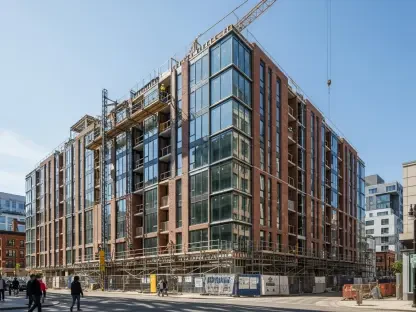
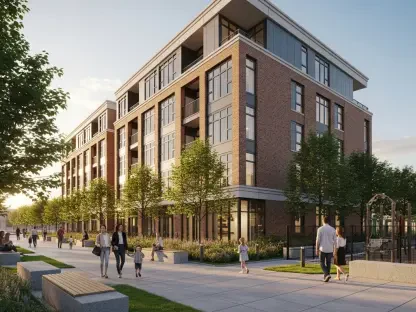
Leading the charge in Greenwich’s evolution are several high-impact projects that signal clear strategic priorities, particularly in addressing the borough’s pressing housing targets by repurposing urban land and maximizing residential capacity. These ambitious schemes are poised to make a considerable mark on the local landscape, introducing modern living concepts and transforming underutilized commercial properties. One of the most prominent examples is an infill development proposed on land adjacent to The Pickwick pub on Woolwich Road, which calls for the construction of a new three-story residential building. This project exemplifies a crucial urban planning strategy: creating new homes on overlooked plots within established areas, thereby intensifying housing supply in well-connected locations without encroaching on green spaces. This approach reflects a sophisticated effort to build inward and upward, making the most of the existing urban footprint to accommodate a growing population.
Further illustrating this trend toward high-density living is a major initiative to convert Lewisham House into 319 co-living units. This proposal embraces a modern housing model aimed at young professionals and students, offering managed, community-focused accommodation that responds to changing lifestyle preferences. By retaining the building’s existing structure, the development creatively adapts a large commercial property to meet residential demands, showcasing an innovative path to housing provision. In a similar vein, an application for 279-283 Greenwich High Road seeks to convert upper-floor office space into residential flats, a direct response to post-pandemic shifts in the property market. This trend of office-to-residential conversion capitalizes on the reduced demand for traditional commercial spaces, turning underutilized assets in prime locations into much-needed homes and breathing new life into commercial corridors.
A Surge in Homeowner-Led Improvements
While large-scale projects capture headlines, a substantial volume of the recent applications comes directly from residents seeking to extend and upgrade their own homes, indicating a robust current of personal investment flowing through the borough. This widespread desire to adapt existing properties for modern lifestyles is fueling a boom in domestic construction, as homeowners seek more space for growing families, dedicated home offices, and improved living standards. Loft conversions have emerged as an overwhelmingly popular choice for adding habitable space without altering a home’s footprint. The applications reveal a wide variety of designs, from spacious hip-to-gable and L-shaped dormers that significantly increase interior volume, to more standard rear dormers. This highlights a strong and consistent trend of homeowners maximizing the potential within their existing rooflines, a cost-effective and minimally disruptive way to enhance their properties.
Expanding ground-floor living areas remains another primary goal for many residents, with a multitude of proposals for various types of extensions. These range from common single-story rear extensions that create open-plan kitchen and dining areas to more complex wraparound and infill extensions that fundamentally reconfigure a home’s layout. A number of applications even seek approval for substantial multi-story additions, demonstrating a significant commitment to transforming properties. This consistent effort to create larger, more light-filled living environments that better connect homes with their garden spaces is reshaping neighborhoods from the inside out. Beyond extensions, other residential applications for outbuildings, garage conversions, and modern window replacements further paint a picture of a borough being meticulously upgraded one home at a time, driven by the aspirations of its residents.
Maximizing Density and Adapting Urban Spaces
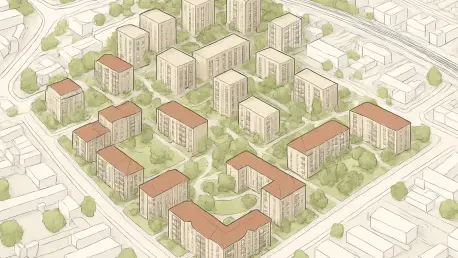
A distinct pattern emerging from the latest planning submissions is the strategic conversion of single-family homes into Houses in Multiple Occupation (HMOs), a direct approach to increasing housing density within the existing building stock. Several proposals aim to transform traditional dwellings into multi-bedroom shared houses, which provides a greater number of living spaces and often more affordable accommodation options for individuals. Applications to create six-person HMOs from single-family homes in Plumstead and Eltham underscore this trend, illustrating how property owners are responding to market demands for shared living arrangements. This strategy allows the borough to accommodate more residents without new construction, making efficient use of available properties. Alongside this, other change-of-use applications, such as one seeking to confirm a property’s use as a restaurant, highlight the broader theme of urban adaptation, where buildings evolve to meet the changing commercial and residential needs of the community.
Beyond the creation of new housing units, a significant number of administrative applications reveal that the borough’s major, long-term masterplans are actively progressing from blueprint to reality. Numerous submissions to discharge planning conditions for large-scale developments, such as the Greenwich Peninsula Masterplan and the redevelopment of Devonport House, are a crucial indicator of tangible progress. These applications, which cover technical details like landscaping, materials, and environmental management, are not mere paperwork; they are the necessary steps that allow construction to proceed. They confirm that these transformative projects are moving through complex compliance and building stages, steadily bringing their ambitious visions to life. This administrative activity provides firm evidence that the future landscape of Greenwich is being shaped right now, with complex, multi-phase developments making consistent headway.
Modernizing Public and Commercial Infrastructure
The recent planning applications also shed light on a concerted effort to modernize public infrastructure and commercial services across Greenwich, reflecting an adaptation to new technologies and evolving consumer behaviors. Proposals to install modern BT Street Hubs in place of traditional payphones, for instance, point directly to the digitalization of the public realm. These new hubs not only offer public Wi-Fi and other digital services but also incorporate digital advertising screens, transforming street furniture into multi-functional communication platforms. This move signifies a clear shift towards a more connected and technologically integrated urban environment. Similarly, a retrospective application for an In Post Parcel Locker in Plumstead reflects the growing integration of e-commerce logistics into the fabric of local neighborhoods, demonstrating how physical infrastructure is evolving to support the digital economy and provide convenient services to residents.
This period of active development concluded with a comprehensive picture of a region undergoing dynamic change. The planning applications revealed a dual focus: the creation of new housing through large-scale strategic projects, conversions, and infill, alongside a powerful parallel trend of private investment in upgrading and extending existing homes. The steady administrative progress on major masterplans demonstrated a commitment to long-term vision, while the modernization of public infrastructure showed an adaptation to contemporary life. Ultimately, the combined force of these activities—from ambitious redevelopment schemes to individual homeowner improvements—defined a period of profound transformation. The borough’s evolution was shaped not by a single strategy, but by the intricate interplay between strategic public planning and deeply personal investment in the community’s future.