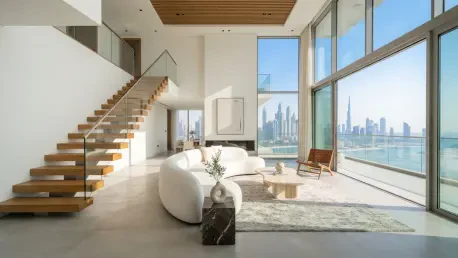

The transformation of this Dubai property required a complete overhaul of the ceilings and flooring to establish a cohesive backdrop for a curated collection of iconic designer furniture. Orchestrated by Masoomeh Hilal, the creative director of her eponymous luxury design firm, the project breathed new life into a two-story villa located within the prestigious Dubai Hills Estate. The original brief, presented by two Lebanese sisters working in the finance sector, initially leaned toward a starkly minimalist, Zen-inspired aesthetic. However, as the collaborative process unfolded, the vision shifted toward a balance between calm and character, moving away from sterile simplicity toward a more soulful, curated haven. By 2026, this approach has become a hallmark of sophisticated design, where homeowners prioritize emotional resonance as much as visual cleanliness. The resulting space serves as a grounding retreat that allows the inhabitants to recharge while surrounded by elements that reflect their personal history.
Architectural Precision and Material Selection
Structural modifications were essential to achieving the project’s goal of an open environment that maximizes the benefits of natural illumination. The renovation involved a comprehensive redistribution of the interior layout, including the relocation of the kitchen to improve flow and the addition of a powder room for guest convenience. To deepen the “zen” quality of the residence, the design team replaced standard openings with larger, strategically placed windows that invite the vibrant Dubai sunlight to play across minimalist surfaces. A centerpiece of this architectural renewal is the staircase, which was completely reimagined as a sculptural focal point crafted from high-quality wood. No longer merely a functional path, the staircase now anchors the entryway with its organic warmth and geometric precision. These structural shifts were not merely cosmetic but were designed to alter the sensory experience of the home, ensuring that the transitions between spaces felt fluid and intentional throughout the villa.
Materiality played a pivotal role in grounding the villa’s aesthetic, with a focus on high-performance surfaces that do not sacrifice elegance for durability. The kitchen area serves as a prime example of this synthesis, featuring a combination of Rimadesio sliding doors that offer a seamless way to divide or open the culinary space. Countertops and splashbacks were finished with Dekton and Seville tiles, providing a textured, resilient environment that complements the home’s overall muted palette. Throughout the villa, the choice of materials was dictated by the desire for a tactile experience that feels both modern and timeless. From the cool precision of the architectural finishes to the natural grain of the wooden accents, every surface was selected to contribute to a sense of grounded luxury. In the context of 2026 design trends, this focus on material integrity represents a shift toward quiet wealth, where the quality of the construction and the refinement of the finishes speak more loudly than overt ornamentation.
Curated Design and Personal Sanctuaries
The integration of iconic designer furniture transformed the villa into a gallery-like space where every piece tells a story of global design and local heritage. In the living area, a Moroso Gogan sofa anchors the room, providing a comfortable yet sculptural seating solution. This is complemented by a bespoke wool and silk rug from Iwan Maktabi, which provides a plush foundation while referencing the owners’ Lebanese roots through its intricate craftsmanship. Functional objects were treated with equal importance, curated as sculptural art rather than mere accessories. Pieces such as the Vitra Eames House Bird and Boyhood’s Balloon Dog introduce a sense of whimsy, preventing the minimalist environment from feeling overly formal. Marble vases from Editions Milano and chairs like the Pantelleria Brown Chair further emphasize the idea of curated minimalism, where the simplicity of the space is elevated by meaningful details that invite closer inspection and appreciation of the overall aesthetic.
Private spaces on the upper level were tailored to the distinct personalities of the sisters, demonstrating the versatility of the curated minimalist theme. The younger sister’s bedroom was designed as a sanctuary of tranquility, utilizing Elitis wallpaper and soft teal accents to foster a sense of peace. In contrast, the older sister’s room adopted a more expressive tone, featuring bold, swan-patterned wallpaper by Coordonné paired with energetic pink and green accents. These varied palettes allow each room to function as a personalized retreat while remaining connected to the villa’s broader aesthetic through shared elements like the delicate Bomma Lens lighting. This individualized approach highlights the designer’s ability to cater to differing emotional needs within a single, cohesive project. By allowing personal taste to flourish within a structured framework, the design team ensured that the home felt authentically lived-in, reflecting a modern understanding of luxury.
The successful overhaul of the Dubai Hills villa established a benchmark for how traditional minimalism could be infused with character and cultural significance. It was observed that the strategic combination of structural clarity and high-end materiality allowed the property to function as both a professional residence and a personal sanctuary. Designers and homeowners alike recognized that the most successful projects were those that prioritized the relationship between light, form, and personal narrative. The project proved that the removal of unnecessary clutter was only the foundation for a more meaningful curation of space. Future considerations for luxury renovations emphasized the importance of investing in architectural focal points to define the character of a home. It was through this meticulous selection of finishes and iconic furnishings that the villa was successfully converted into a character-rich haven. Ultimately, the transformation highlighted that the essence of luxury design in 2026 resided in the seamless integration of global standards.