
The skyline of Chicago’s Near South Side is undergoing a significant transformation as the city continues to prioritize high-density, mixed-income residential projects that bridge the gap between luxury living and housing equity. At the prominent corner of State and 23rd Streets, a new architectural milestone is taking shape with the official start of construction on a twelve-story tower designed to redefine the local residential landscape. This development represents a strategic collaboration between The Community Builders and McCaffery Interests, aimed at revitalizing a historical corridor through modern urban design and thoughtful community integration. As ground crews begin their initial work, the project underscores a broader urban commitment to creating sustainable, inclusive neighborhoods that leverage existing transit infrastructure to support a growing and diverse population. By integrating a high volume of affordable units with market-rate rentals, the initiative addresses the pressing need for varied housing options within walking distance of the city’s major transit hubs. This vertical expansion is not merely an addition of floor space but a deliberate effort to foster a balanced community that reflects the socioeconomic diversity of the modern Chicago environment.
Architectural Design and Residential Features
A Balanced Approach to Urban Housing Equity
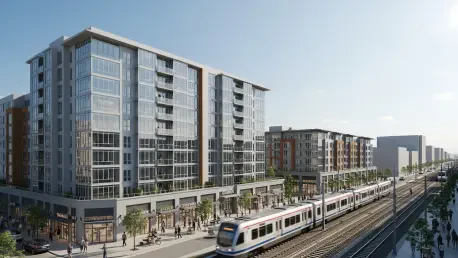
The newly initiated tower at 2305 South State Street is more than just a structural addition; it is a meticulously planned environment designed to cater to a variety of household sizes and economic backgrounds. With eighty rental apartments distributed across its twelve stories, the building provides a versatile mix of twenty studios, fifty one-bedroom units, and ten two-bedroom residences. Central to the project’s mission is the dedication of a substantial portion of these units to housing equity, ensuring that long-term residents and low-income families remain part of the neighborhood’s rapid evolution. Specifically, twenty-nine units are reserved for the Chicago Housing Authority, while an additional forty-four are designated as affordable housing. This deliberate allocation creates a socio-economically diverse community within a single structure, reflecting a modern philosophy of urban inclusivity. The architectural design by Gensler and Nia Architects prioritizes both functionality and aesthetics, ensuring that the tower stands as a high-quality landmark on the southeast corner of the intersection while providing dignified and well-designed homes for all its future occupants.
Enhancing Resident Experience and Street-Level Activity
Beyond the individual living spaces, the development incorporates a suite of modern amenities intended to foster social interaction and daily convenience for all residents regardless of their unit type. A shared rooftop deck offers expansive views of the city, providing a communal outdoor space that is often a premium in dense urban environments. Inside, a community room serves as a hub for social gatherings, while specialized facilities like a dog-wash station and a dedicated bike room cater to the practical needs of pet owners and active commuters. On the ground floor, the design introduces fifteen hundred square feet of retail space that directly fronts the intersection of State and 23rd Streets. This commercial footprint is vital for promoting street-level activity and encouraging local business growth, transforming a previously quiet corner into a vibrant pedestrian destination. By blending residential life with active storefronts, the project contributes to the concept of a walkable urban district where essential services are easily reachable. This integration ensures the building serves as an anchor for the community, drawing in neighbors and residents alike to participate in the local economy.
Strategic Connectivity and Infrastructure
Maximizing the Impact of Transit-Oriented Development
One of the most distinctive aspects of this development is its classification as a peak Transit-Oriented Development, a status that influences its entire logistical and environmental footprint. Located immediately adjacent to the Cermak-McCormick Place Green Line station, the tower offers residents unparalleled access to Chicago’s extensive rail network. This extreme proximity has allowed the developers to forgo on-site parking entirely, a bold move that aligns with the city’s goals of reducing car dependency and lowering carbon emissions in high-density areas. Instead of massive garage structures, the project leans heavily on the efficiency of the CTA’s rail and bus systems, including the nearby Red Line and multiple bus routes along State Street and Michigan Avenue. This strategy not only maximizes the available space for residential units but also encourages a lifestyle centered on public transportation and reduced environmental impact. For residents, this means lower commuting costs and a more direct connection to the cultural and economic cores of the city. The emphasis on transit connectivity makes the site a model for future urban densification projects that prioritize accessibility and sustainability.
Construction Milestones and Future Community Integration
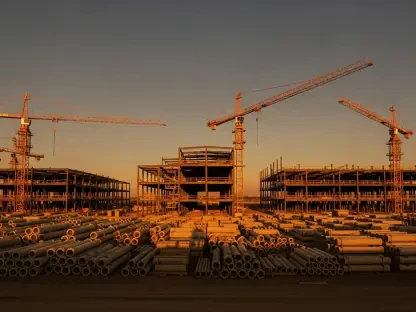
As the spring weather settled in, physical site activities accelerated with the mobilization of heavy machinery and the commencement of foundational work. General contractor McHugh Construction already initiated potholing and preparatory measures for drilling caissons, with a tower crane scheduled for installation following recent permit approvals. This phase serves as a vertical expansion of the existing Southbridge community, building upon the foundations laid by residential structures completed in the early 2020s. Looking toward the completion window in late 2027 or early 2028, the project established a new standard for how public and private entities worked together to solve complex housing challenges. Urban planners recognized that prioritizing density near transit hubs was the most effective way to ensure long-term viability for the Near South Side. Stakeholders viewed this as a blueprint for future developments, emphasizing that high-quality architecture and housing affordability were not mutually exclusive goals in modern Chicago. The successful execution of this phase provided a clear path forward for subsequent developments, proving that integrated housing solutions could effectively revitalize urban corridors while maintaining social equity.