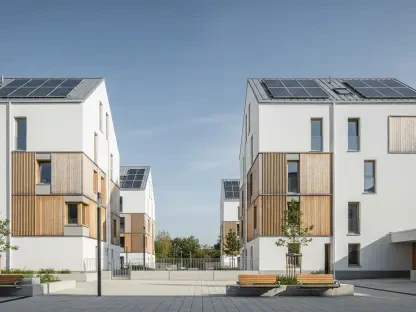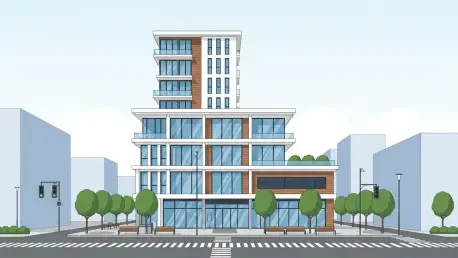

The transformation of the former Trinity Road Police Station into a high-density residential complex signifies a paradigm shift in how urban centers manage the intersection of public infrastructure and the urgent demand for affordable living. In a landscape where market volatility often pushes essential workers to the periphery, this development stands out by offering 104 apartments specifically designated for social rent. By repurposing a civic asset, Bristol is demonstrating that the solution to the housing crisis may lie in the strategic reclamation of underutilized public land. This initiative serves as a crucial case study for urban planners and developers aiming to balance the provision of essential services with the necessity of inclusive residential growth.
From Infrastructure to Community: The Evolution of Bristol’s Urban Landscape
Bristol has long faced a unique set of challenges characterized by a constrained geographic footprint and a rapidly growing population. Historically, the city’s housing market has been defined by high demand and a limited supply of brownfield sites, leading to an environment where redevelopment often favored high-end commercial projects. This trend frequently left lower-income residents and key workers with few options, exacerbating the divide between the city’s economic success and its social equity. Understanding this historical context is vital because it highlights the necessity of the current shift toward more aggressive and imaginative land use policies.
In the past, the sale of public service land typically resulted in the loss of local amenities in exchange for private luxury housing. However, a modern philosophy of urban “tenacity” has emerged, encouraging city leaders to view every public square foot as a dual-purpose opportunity. The Trinity Road project represents the culmination of this evolution, where a former police station is not merely demolished but reinvented. By transitioning from a single-use civic building to a mixed-use residential hub, the city is signaling that the future of urban stability depends on the ability to embed social housing directly within the existing community fabric rather than on its outskirts.
Bridging the Gap Through Collaborative Governance
The Power of Multi-Agency Funding and Strategic Partnerships
The realization of Trinity Road hinges on a sophisticated funding architecture that successfully merges the goals of the public and private sectors. By coordinating resources from The Guinness Partnership, Homes England, and the local government, the project bypassed the traditional financial barriers that often stall social housing initiatives. Specifically, the allocation of over $3 million in capital and affordable housing grants was instrumental in ensuring that the site remained dedicated to 100% social rent. This synergy proves that when national agencies and local councils align their fiscal strategies, they can de-risk complex urban sites that would otherwise be rejected by profit-driven market developers.
Integrating Public Services Within Residential Frameworks
A defining characteristic of this model is the seamless integration of public safety infrastructure within a high-density living environment. Rather than removing the police presence from the neighborhood, the project includes the construction of a modern, efficient station on the ground floor. This approach addresses the common fear that urban intensification leads to a dilution of essential services. By maintaining a visible civic footprint, the development ensures that residents feel secure and supported. This method of “service-led” housing shows that public facilities and residential units can coexist, creating a more cohesive and resilient urban environment.
Prioritizing Social Rent Over Market-Led Affordability
In a market where the term “affordable” is frequently used to describe properties priced at 80% of market rates—a figure still out of reach for many—Trinity Road’s commitment to social rent is a transformative choice. Social rent provides the deep level of affordability needed to support a city’s most vulnerable populations, offering long-term tenure that serves as a foundation for economic stability. This focus moves housing away from being a speculative financial asset toward being a basic human right. By insulating residents from the fluctuations of the private rental market, the development fosters long-term community health and minimizes the displacement often associated with urban gentrification.
Navigating the Challenges of Future Housing Policy
As urban centers look toward 2027 and beyond, the Trinity Road model aligns with emerging regulatory shifts that prioritize social value over immediate profit. The project acts as a cornerstone of current regional strategies that emphasize the use of council-owned land and specialized expertise to accelerate the delivery of homes. Future trends indicate that successful developments will increasingly need to incorporate high standards of sustainability and carbon reduction to meet environmental targets. The ability to replicate this collaborative framework will be essential for maintaining a diverse workforce in a climate of fluctuating material costs and economic uncertainty.
Actionable Strategies for Replicating Success in Modern Cities
The success of this project offers a clear roadmap for other municipalities facing similar housing shortages. First, policymakers should prioritize the audit and repurposing of underutilized brownfield land to protect green belts while breathing life back into urban cores. Second, developers and housing associations must adopt a “tenacity-first” mindset, actively seeking out unconventional funding streams such as community infrastructure budgets. Finally, establishing deep-rooted partnerships between housing providers and local governments is mandatory. Professionals should view the Trinity Road model as a blueprint for embedding social equity into the very DNA of urban redevelopment.
Redefining the Standard for Inclusive Urban Growth
The Trinity Road development was more than just a construction project; it served as a definitive proof of concept for the viability of 100% social rent housing in high-cost cities. By converting a civic asset into a sanctuary for over 100 households, the city proved that political will and technical expertise could effectively dismantle the barriers to affordable living. The project demonstrated that integrating public services with residential needs created a safer, more connected community. These insights provided a foundation for future urban planning, where housing was no longer viewed in isolation but as a central component of a resilient and equitable metropolitan economy. This initiative successfully redefined the standards for public-private collaboration, leaving a lasting impact on regional housing policy.