
The shifting tides of the modern economy have left many of Boston’s once-bustling office buildings standing as hollow monuments to a previous era, while a severe housing shortage puts immense pressure on its residents. In response to this dual challenge, the city is championing an ambitious strategy of adaptive reuse, encouraging developers to transform underutilized commercial spaces into desperately needed residential apartments. This innovative approach presents a compelling vision for urban renewal, but its path is fraught with architectural, financial, and logistical complexities. As projects begin to take shape, from the historic Financial District to other downtown corridors, the fundamental question emerges: can turning offices into homes truly make a dent in the region’s profound housing crisis, or is it merely a novel but insufficient solution? The answer lies not just in the number of units created, but in the intricate dance between policy incentives, market realities, and the very structure of the buildings themselves.
A Glimpse into the Future: The Franklin Street Transformation
From Blueprint to Reality
The abstract concept of converting commercial space into livable homes found its proof of concept within the walls of a six-story, late-19th-century building on Franklin Street, where one developer pioneered Boston’s new incentive program. Over an intensive year-and-a-half period, this historic structure underwent a complete metamorphosis. The project began with a full interior demolition, stripping the building back to its core structural elements to erase decades of office-centric design. From there, crews meticulously framed 15 distinct apartment layouts, each designed to maximize space and light within the building’s vintage footprint. The final and most critical phase involved the installation of modern amenities essential for contemporary urban living, including fully equipped kitchens and bathrooms, transforming the once-staid office floors into vibrant homes. This successful conversion, culminating in the arrival of the building’s first new tenants, served as a tangible demonstration of the program’s potential and a blueprint for future endeavors.
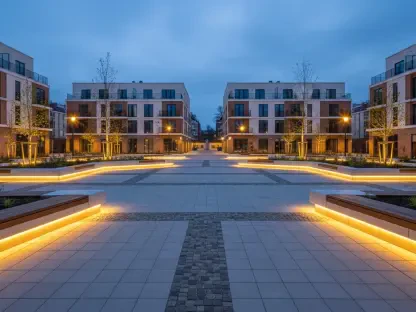
This particular project’s success, however, was not a matter of chance but a direct result of the building’s inherent architectural characteristics, which made it an ideal candidate for residential adaptation. The key to a successful conversion lies in providing every living unit with access to natural light and fresh air, a requirement that older buildings often meet with greater ease than their modern counterparts. Structures like the one on Franklin Street, with their shallower floor plates and abundant, well-spaced windows, allow for more flexible and humane residential layouts. This intrinsic design advantage means that architects can more easily partition the space into apartments where every room feels connected to the outside world. This contrasts sharply with the challenges posed by sprawling, deep-cored contemporary office buildings, making these older, more modest structures the unexpected heroes in the city’s push for adaptive reuse and urban revitalization.
The Challenges of Modern Architecture
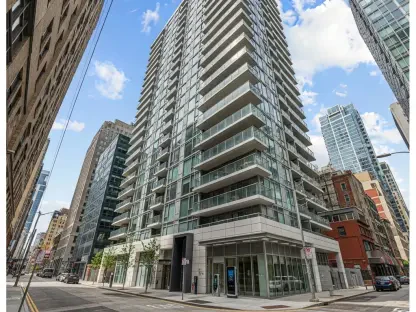
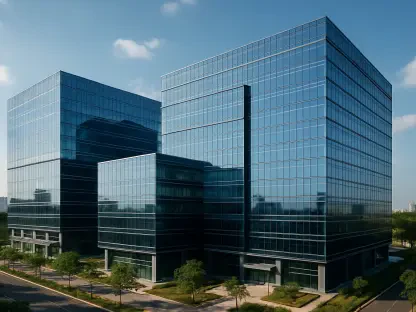
Contrary to the common assumption that Boston’s most prominent glass-and-steel office towers would be the easiest to repurpose, these modern behemoths often represent the most significant hurdles for residential conversion. Experts in urban planning and architecture frequently label such buildings as “unicorns” for a reason—they are exceptionally difficult to adapt successfully. The primary obstacle is their fundamental design philosophy, which prioritizes vast, open-plan floors centered around a deep service core containing elevators, stairwells, and utilities. This layout, while efficient for a corporate environment, becomes a near-insurmountable problem when trying to create individual apartments. The sheer distance from the central core to the exterior windows makes it impossible to design units where every living space, particularly bedrooms and living rooms, receives the legally required natural light and ventilation, resulting in awkward, dark, and often unlivable floor plans.
Beyond these profound architectural limitations, the financial and legal structures underpinning these massive towers present another layer of complexity. Giant, high-profile office buildings are rarely owned by a single entity; instead, they are often tied up in intricate ownership agreements with multiple stakeholders and encumbered by layers of complex debt and financing. Untangling this web of financial obligations to pivot from a commercial to a residential model is a monumental task that can deter even the most determined developers. The process requires navigating a labyrinth of legal agreements and securing new financing, which is often difficult for such a non-traditional and capital-intensive undertaking. Consequently, the ideal conversion candidates are more typically buildings with simpler ownership and cleaner financial histories, allowing for the agility needed to execute such a transformative project, further underscoring why the city’s gleaming towers remain largely untouched by this new wave of development.
The Driving Forces: Policy and Perspective
Government’s Crucial Role
The momentum behind Boston’s office-to-residential conversion movement is fueled significantly by proactive government intervention designed to make these financially challenging projects viable for developers. Recognizing that the high costs of acquisition and construction could stifle progress, the city of Boston established a groundbreaking program offering a suite of powerful incentives. Chief among these is a substantial 29-year, 75% tax abatement, which dramatically alters the long-term financial calculus of a project, providing developers with the stability needed to secure financing and absorb the initial high costs. Paired with an expedited permitting process, this initiative slashes through the bureaucratic red tape that can often delay or derail complex construction projects. These combined benefits were instrumental in making the pioneering Franklin Street conversion and subsequent projects financially feasible, effectively subsidizing the risk and encouraging the private sector to invest in the city’s housing goals.
This municipal commitment to reshaping downtown extends beyond targeted financial incentives and into the very fabric of urban planning. Boston has enacted major zoning changes in its downtown core, shifting away from a purely commercial focus to foster the growth of vibrant, mixed-use neighborhoods where people can live, work, and socialize. These updated regulations allow for the integration of essential residential amenities, such as ground-floor coffee shops, small grocery stores, and fitness studios, which are critical for supporting a growing residential population and creating a true sense of community. This local effort is complemented by a statewide commercial-to-residential program, which has helped catalyze a significant increase in adaptive reuse projects across Massachusetts. Data reveals that the number of such conversions completed in the previous year was more than triple the figure from just a few years prior, demonstrating a clear and positive response to these supportive policies.
A Realistic Look at the Numbers
Despite the clear successes and the tangible creation of new homes, it is essential to frame the impact of Boston’s conversion program within the broader context of the city’s vast housing deficit. While the initiative has been lauded for its innovation and extended due to its positive reception, its projected output remains modest compared to the scale of the problem. The program is on track to facilitate the creation of approximately 2,500 new apartments in total, combining the 1,500 units already in the pipeline with an estimated 1,000 more expected from the program’s extension. This is a commendable achievement that will provide quality housing for thousands of residents. However, this figure represents a small fraction of the 69,000 new housing units that city planners estimate are needed by 2030 to stabilize the market and meet the ever-growing demand from a diverse and expanding population.
This stark reality has shaped a pragmatic and measured perspective among city leaders and urban planners, who view the strategy not as a panacea but as one crucial component in a much larger, multifaceted effort. The prevailing consensus, encapsulated by Mayor Michelle Wu’s sentiment that “every little bit makes a difference,” acknowledges that there is no single solution to the housing crisis. Office-to-residential conversions have proven to be an effective tool for activating underused properties, revitalizing downtown areas, and adding unique housing stock to the market. The program’s true value, therefore, lay in its role as an incremental but important step forward. It represented a creative and necessary adaptation to changing urban dynamics, contributing meaningfully to the city’s housing supply while paving the way for other innovative solutions that, taken together, could begin to address the region’s formidable housing challenge.