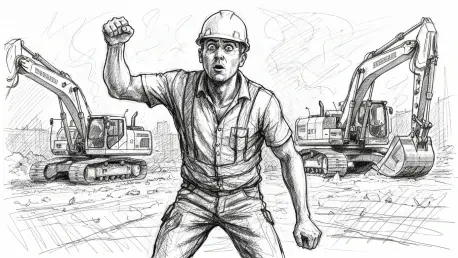

As the construction sector grapples with a persistent and deepening labor shortage, industry leaders are increasingly recognizing that the solution may lie in fostering a more inclusive environment for a historically overlooked segment of the workforce. The Federation of Master Builders (FMB) is spearheading a call for construction firms to actively support and integrate tradespeople with disabilities, pointing to the immense value this talent pool can offer. This initiative highlights the remarkable career of Martin Sneddon, a Scottish builder whose five decades of experience and dedication culminated in winning the FMB’s Outstanding Builder of the Year award. His story serves as a powerful testament to the fact that with proper support and adaptable workplace practices, individuals with both visible and hidden disabilities can not only succeed but excel. Fifteen years ago, after losing his hearing, Sneddon faced the possibility of leaving a profession he loved. Instead, he pioneered practical solutions that allowed him to continue his award-winning work, proving that skill and determination are not defined by physical ability.
1. Practical Steps for Fostering an Accessible Environment
Martin Sneddon’s approach to navigating his hearing loss offers a tangible blueprint for creating more accommodating and effective worksites for all employees. Rather than retreating, he proactively engaged with his professional network, including suppliers, merchants, and Building Standards officers, to explain his situation and establish new communication protocols. The response was overwhelmingly positive, with officials readily agreeing to use text messages and others in the industry offering practical assistance. Working alongside his son, who helps with communication, Sneddon has mastered lip-reading and developed an acute sense of situational awareness. He has cultivated a heightened safety system around machinery, embodying his personal philosophy: “You can’t see with your ears, but you can hear with your eyes.” His recommendations for the industry are straightforward yet transformative. He advocates for using noticeboards in common areas to inform teams when a colleague with a disability is on site, fostering a culture of awareness and support. Drawing parallels to successful mental health campaigns, he suggests that a similar industry-wide push could dismantle stigmas and encourage open dialogue, allowing workers to confidently discuss necessary adjustments without fear of judgment.
A Blueprint for Inclusive Growth
The movement toward greater inclusivity in the construction sector ultimately represented a strategic pivot that addressed critical operational challenges. By embracing workers with disabilities, the industry discovered a resilient and skilled talent pool that was instrumental in closing the persistent labor gap. The success of veteran tradespeople like Martin Sneddon provided a clear and compelling case study, demonstrating that adaptability was a two-way street. Companies learned that minor, low-cost adjustments—such as normalizing text-based communication or enhancing visual safety cues—yielded significant returns in productivity, safety, and employee retention. This shift was not merely about compliance but about building a more robust and dynamic workforce. The industry’s evolution showed that a culture of open communication, where employees felt empowered to request the tools they needed to succeed, fostered innovation and loyalty. This proactive approach to accessibility became a cornerstone of modern construction, proving that the strongest foundations were built on a commitment to supporting every worker.