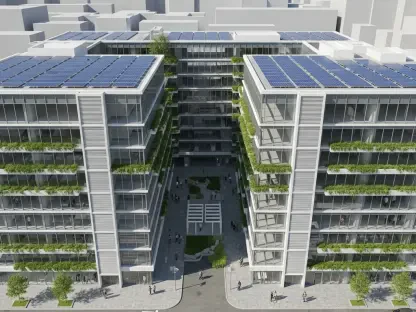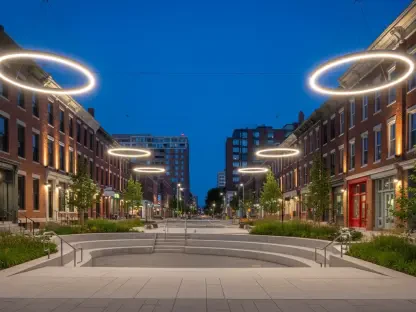

The transformation of sterile corporate environments into vibrant cultural venues is challenging the traditional boundaries of where art can be experienced, suggesting a future where creativity and commerce are not just neighbors but integrated partners. From February 6 to 8, the 13th edition of Art Fair Philippines is putting this concept to the test by converting the Circuit Corporate Center One, an office building in Makati, into a sprawling, multi-level exhibition space. This unconventional choice of venue is far from a mere novelty; co-founder Liza Ongpin-Periquet describes it as integral to the fair’s “DNA.” The strategic relocation to the former racetrack complex is a cornerstone of a much larger ambition: to cement Circuit Makati as the undisputed epicenter of the nation’s contemporary art ecosystem. The building’s inherent design, with its open floor plans and interconnected levels, provides a unique spatial flexibility that allows for a more fluid and integrated journey through the diverse exhibits and programs, breaking down the often-intimidating walls of conventional galleries and museums.
A New Paradigm for Art Presentation
The fair leverages its unique setting to amplify its primary mission: to bolster Manila’s standing as a formidable player in the Asian and international art markets. By eschewing a traditional convention center, the event creates a memorable and distinct experience that helps it stand out on a crowded global calendar. This year’s edition brings together a carefully curated and eclectic mix of contemporary art from approximately 55 local and international galleries, creating a rich tapestry of creative expression. The roster includes a strong showing from artists across Southeast Asia, complemented by significant contributions from Taiwan, Hong Kong, Spain, and France. This international presence transforms the corporate floors into a global crossroads of artistic dialogue. The unorthodox environment not only attracts a broader audience but also challenges artists and curators to think creatively about installation and presentation, proving that compelling art can thrive far beyond the white cube of a traditional gallery.
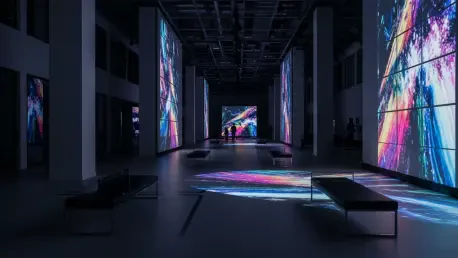
A prime example of this innovative approach is ArtFairPH/Projects, a specially curated section occupying the building’s entire sixth floor. This dedicated space is devoted to ambitious solo exhibitions that highlight the practices of both revered modern masters and groundbreaking contemporary visionaries. For the 2026 iteration, the interior design of this corporate level has been reimagined to evoke a town plaza, an inspired concept complete with public benches and “eskinitas,” or small walkways, designed to encourage leisurely exploration and unexpected discoveries. This layout fosters a more communal and interactive viewing experience. Among the featured works are Max Balatbat’s complex mixed-media installations, the powerful bronze sculptures of Solomon Saprid, and immersive digital art from the innovative TRNZ and TLYR Collective. This transformation of a corporate floor into a public square for art underscores how architectural function can be subverted to serve a powerful cultural purpose.
Fostering a Vibrant Arts Ecosystem
Beyond the visual spectacle, the fair is deeply committed to audience development and intellectual engagement, offering robust programming that transforms the office building into a center for learning and discussion. A key component of this effort is ArtFairPH/Talks, a series of daily sessions presented in partnership with the esteemed Ateneo Art Gallery and the Museum Foundation of the Philippines. These forums provide attendees with invaluable access to artists, curators, and industry experts who lead insightful discussions on critical topics such as the nuances of art collection, emerging market trends, and the evolving landscape of contemporary art. The corporate setting, with its existing infrastructure of conference rooms and presentation spaces, proves to be an ideal backdrop for these educational initiatives. This seamless integration of exhibition and education fosters a more knowledgeable and confident community of collectors and enthusiasts, strengthening the very foundation of the local art market.
The event’s influence extends well beyond its three-day run, actively working to forge lasting international connections and provide crucial support for artistic development. The ArtFairPH/Residencies program is a testament to this long-term vision, continuing its mission to foster cross-cultural dialogue by embedding international curators within the local art scene. The 2026 edition is led by Anne-Laure Lemaitre, a distinguished New York-based curator, whose presence promises to create new opportunities and global exposure for Filipino artists. On a different floor, a separate gallery pays homage to the nation’s artistic heritage, dedicating its space to the pioneers of Filipino modern art. This exhibit features seminal pieces by masters such as Juan Luna, Fernando Amorsolo, and Fernando Zobel de Ayala y Montojo, providing a vital historical context for the contemporary works displayed throughout the building. By juxtaposing the nation’s artistic past with its dynamic present, the fair reinforced its role as a comprehensive cultural institution.