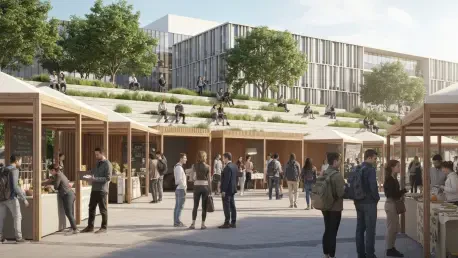

A significant £5 million redevelopment project has officially commenced to transform Cathedral Gardens into a premier public space, signaling a new era for Belfast’s city center and promising a vibrant hub for residents, students, and visitors. With a scheduled completion in the spring of 2027, this ambitious undertaking by Belfast City Council aims to convert the key central location into a world-class destination that seamlessly blends technology, nature, culture, and history. The initiative is a cornerstone of a much broader strategy to revitalize the northern city center, leveraging strategic investments to create a dynamic and sustainable urban environment for generations to come.
A Modern Vision for Public Space
Innovative Features and Community Focus
The redesigned Cathedral Gardens is envisioned as a highly versatile and inclusive environment, meticulously planned to accommodate a wide spectrum of public activities and community gatherings. Central to the new design is a large, multi-use events space, engineered to be the heart of the area’s cultural life. This adaptable plaza will provide a dynamic backdrop for an array of programming, from large-scale concerts and vibrant seasonal festivals to bustling local markets and community-led performances. The goal is to create a constantly evolving stage for the city’s creative talents and a welcoming venue for public celebration. Complementing this active zone, the park will cater extensively to families by incorporating two distinct play areas. One will be a nature-inspired playground, designed to encourage physical activity and imaginative play through natural materials and challenging structures. In a forward-thinking move, this will be paired with an interactive digital play zone, integrating technology to offer unique, engaging experiences that stimulate both mind and body, ensuring the park remains relevant and exciting for children of all ages in a digital world.
This focus on diverse utility extends to every corner of the park’s design, which aims to foster a strong sense of community by providing amenities for all demographics. Beyond the main event and play areas, the layout will include quieter, contemplative spaces with ample seating, lush plantings, and shaded spots, offering a tranquil urban oasis for office workers on their lunch break, students from the nearby university, or visitors seeking a moment of respite from the city’s hustle. The technological integration is a defining feature of this modern public space. A sophisticated, programmable lighting system will be installed throughout the gardens, allowing the area to be bathed in a vast spectrum of colors. This system can be used to create a specific ambiance for evening events, celebrate national holidays, or show support for civic causes, effectively turning the park itself into a form of public expression. Furthermore, a state-of-the-art projection system will be strategically positioned to cast high-definition images onto the facade of the adjacent Ulster University building, transforming the architectural canvas into a dynamic display for public art installations, university showcases, or informational broadcasts, further cementing the park’s role as a cutting-edge civic asset.
Commemoration and Sustainability
While embracing innovation, the Cathedral Gardens project is also deeply rooted in honoring the city’s history, incorporating a significant commemorative element into its design. A new memorial will be erected within the gardens, dedicated to the civilians who lost their lives during the Belfast Blitz in World War II. This thoughtful inclusion serves as a poignant reminder of the area’s historical significance and the resilience of its people. The memorial is not intended to be a standalone feature but will be thoughtfully integrated into the park’s landscape, creating a space for quiet reflection and remembrance amidst the vibrancy of modern city life. This act of preservation ensures that as the city looks toward its future, it remains connected to the pivotal moments of its past, offering a place for both current and future generations to learn about and pay tribute to a defining chapter in Belfast’s history. The careful balance between forward-looking development and historical acknowledgment underscores a mature approach to urban regeneration, one that values cultural heritage as a vital component of civic identity.
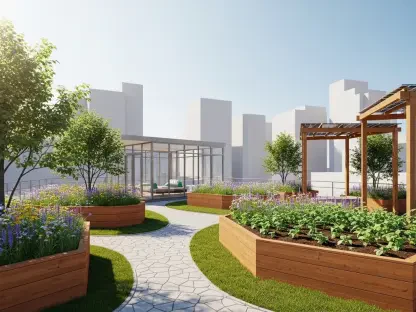
Sustainability is another core principle woven into the fabric of the new Cathedral Gardens, reflecting a commitment to environmental stewardship and long-term ecological health. The design prioritizes the creation of extensive green space, which will be populated with a curated selection of mature trees and diverse plantings. This green infrastructure will do more than enhance the aesthetic appeal of the park; it will also play a crucial role in improving the urban microclimate by providing shade, reducing the urban heat island effect, and improving local air quality. To support this lush landscape in an environmentally responsible manner, an advanced rainwater harvesting system will be implemented. This system will capture and store rainfall from the surrounding area, creating a self-sustaining irrigation source for the park’s trees and plants. This reduces the reliance on the municipal water supply, conserves a precious natural resource, and demonstrates a practical application of green technology in a public setting. By embedding these sustainable practices into its foundational design, the project sets a new standard for urban park development in the city, ensuring that the revitalized space is not only beautiful and functional but also resilient and ecologically sound for the future.
A Catalyst for Wider Urban Renewal
The Cathedral Quarter’s Broader Revitalization
The transformation of Cathedral Gardens is not an isolated project but a pivotal component in a comprehensive and coordinated strategy to reinvigorate the entire northern quadrant of Belfast’s city center. It serves as a crucial connective tissue linking several other major developments, most notably the new, state-of-the-art Ulster University campus. The revitalized park will effectively become the university’s front lawn, providing thousands of students and staff with a high-quality outdoor space for relaxation, socializing, and study. This synergy is expected to create a vibrant academic and cultural ecosystem, blurring the lines between the campus and the city and fostering a dynamic atmosphere of innovation and creativity. The increased foot traffic and activity generated by both the university and the park are anticipated to have a significant positive economic impact on surrounding businesses, encouraging new cafes, shops, and galleries to open and further animating the district. This cluster of developments represents a unified vision to transform this part of Belfast into a thriving, knowledge-based quarter.
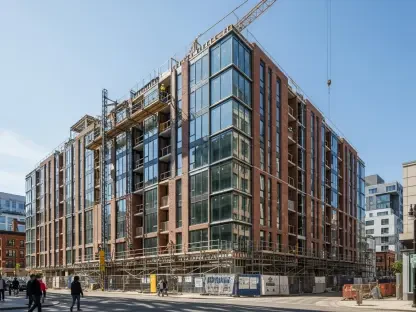
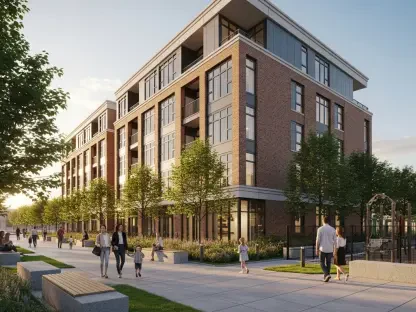
This vision extends beyond the immediate vicinity of the university, encompassing a suite of ambitious initiatives designed to create a destination of regional and international significance. A landmark project in this wider plan is the creation of “Belfast Stories,” a major new visitor attraction scheduled to open its doors in 2030. This immersive experience will celebrate the city’s rich narrative history and is expected to draw a significant number of tourists, solidifying the area’s status as a cultural hub. Further demonstrating a commitment to long-term growth, Belfast City Council recently acquired the historic Assembly Rooms, securing the landmark building for a future use that will complement the area’s heritage and cultural offerings. A critical element of this regeneration is the focus on repopulating the city center. A £280 million partnership is driving forward several residential-led, mixed-use developments, aiming to substantially increase the number of people living in the heart of Belfast. This strategic push to create a permanent residential community is fundamental to ensuring the city center’s sustained vibrancy beyond typical business hours.
Fostering a Vibrant City Center
Complementing these large-scale capital projects is the “Vacant to Vibrant” initiative, a targeted grant program designed to tackle the issue of empty properties and breathe new life into the city’s streetscapes at a grassroots level. This program provides financial incentives to entrepreneurs, artists, and small businesses to take over and restore disused commercial spaces, fostering a more diverse and dynamic local economy. By empowering local actors to contribute to the regeneration effort, the initiative helps ensure that the revitalization is authentic and reflects the unique character of the city. This micro-level intervention is crucial for filling the gaps between major developments, preventing the hollowing-out of secondary streets and creating a more continuous and engaging urban fabric. The program encourages a wide range of uses, from pop-up retail and independent coffee shops to creative studios and tech startups, which collectively contribute to a more resilient and interesting city center that caters to a broad audience. This holistic approach, combining top-down investment with bottom-up enterprise, is key to building a truly sustainable urban revival.
Ultimately, the comprehensive strategy undertaken by the city represented a decisive shift toward integrated urban planning. The redevelopment of Cathedral Gardens was viewed not merely as the creation of a park but as the installation of a vital ‘green lung’ and civic heart for a rapidly evolving district. This project, in concert with the establishment of major cultural attractions like “Belfast Stories,” the strategic increase in city-center housing, and the support for small-scale enterprise through the “Vacant to Vibrant” scheme, formed a powerful and cohesive vision. The thoughtful preservation of historic assets like the Assembly Rooms alongside the construction of modern educational facilities demonstrated a balanced approach that honored the past while investing heavily in the future. Together, these interconnected initiatives succeeded in creating a powerful new momentum, transforming this part of Belfast into a place that was not only a destination for visitors but a thriving, livable community for its residents.