
The daily commute is a defining feature of modern urban life, yet the land surrounding the very transit hubs millions of people use every day often remains underutilized, consisting of sprawling car parks and aging infrastructure. A new wave of urban development is challenging this paradigm by looking at these high-traffic areas not just as points of transit, but as prime locations for creating vibrant residential communities. This innovative approach seeks to transform railway stations from simple stopovers into integrated living spaces, tackling the persistent challenge of housing shortages in well-connected urban centers. A significant project currently underway at Guildford Station in the United Kingdom serves as a compelling case study, showcasing how strategic partnerships and forward-thinking design can unlock the immense potential of land adjacent to our transportation networks, potentially reshaping the landscape of urban living for decades to come.
The Synergy of Public-Private Partnerships
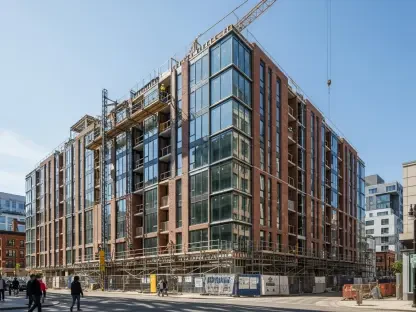
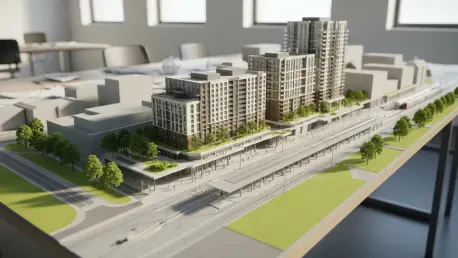
At the heart of the Guildford Station regeneration is a powerful collaboration that exemplifies a growing trend in urban development. The project is led by Grainger plc, the United Kingdom’s largest listed residential landlord, in a strategic partnership with Solum, a joint venture specifically formed by Platform4, the property development arm of Network Rail, and Kier Property. This c.£75 million investment is set to deliver 179 new Build to Rent homes, directly addressing the local housing need by re-purposing underused railway land. This model of a public-private partnership is crucial, as it allows for the complex navigation of land ownership, infrastructure requirements, and commercial viability. By bringing together the public sector’s land assets and infrastructure knowledge with the private sector’s development expertise and capital, such ventures create a framework for transforming previously overlooked parcels of land into thriving, sustainable communities built around the core of public transportation.
The benefits of this cooperative model extend far beyond the construction of new homes, creating a ripple effect of value for all stakeholders involved. The entire regeneration of the station quarter is a £150 million endeavor, with £25 million specifically allocated to modernizing the station itself. This funding, generated through the development partnership, will deliver tangible improvements for commuters, including a new ticket office and enhanced platform access. For the public entity, Network Rail, this represents an opportunity to finance essential infrastructure upgrades without direct cost to the taxpayer. For the developers, it provides access to a highly desirable, pre-vetted location with guaranteed foot traffic and connectivity. For future residents and the wider community, it means the creation of a modern, convenient living environment that reduces reliance on cars, encourages the use of public transport, and revitalizes a key gateway to the town, demonstrating a holistic approach to urban renewal.
A Strategic Approach to Urban Development
This development is not an isolated effort but a key component of Grainger’s carefully executed “cluster strategy.” The company already has an established presence in Guildford with its 98-home scheme, The Mint. The addition of the 179 units at the station will bring Grainger’s total investment in the town to over £116 million, encompassing a portfolio of 277 homes. This concentrated approach allows the company to achieve significant operational efficiencies by managing a larger number of properties within a close geographic area. It also fosters a stronger brand presence and enables the delivery of an enhanced and consistent customer experience for residents across its local portfolio. By building a cluster of properties, the developer can offer a more robust set of amenities and services, creating a more cohesive community identity and solidifying its long-term investment in the area’s growth and prosperity, proving the model is both scalable and replicable in other well-connected towns and cities.
The strategic vision behind station-led housing projects aligns seamlessly with broader national policy objectives focused on accelerating housing delivery in sustainable, well-connected locations. By building high-density residential developments directly on or adjacent to major transport links, these projects inherently promote a more environmentally friendly lifestyle and help ease traffic congestion in urban centers. This synergy was highlighted by the direct involvement of corporate leaders, such as Grainger’s CEO Helen Gordon, in high-level discussions with government officials regarding planning reform and infrastructure investment. All partners have emphasized the project’s role in transforming public transport assets into desirable residential hubs that offer long-term value. With construction scheduled for completion in 2028, the Guildford scheme is poised to become a benchmark for future projects, demonstrating how targeted investment in transit-oriented development can effectively address housing needs while simultaneously modernizing national infrastructure.
A Blueprint for Connected Communities
The Guildford Station project represented more than just the construction of new apartments; it was an exercise in reimagining the very fabric of urban and suburban spaces. The successful integration of residential living with a major transportation hub offered a compelling blueprint for how cities could grow sustainably. By prioritizing density around existing infrastructure, the development provided a tangible solution to housing shortages while simultaneously promoting public transit use and reducing carbon footprints. This model, built on the foundation of public-private collaboration, demonstrated that unlocking the value of underutilized land could fund significant improvements to public services. The project’s completion signaled a pivotal shift, proving that train stations could evolve from mere points of passage into the central anchors of vibrant, connected, and forward-thinking communities.