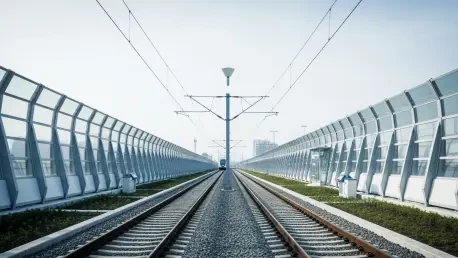

The landscape of American urban transit is currently witnessing a historic shift as Seattle moves to finalize one of the most ambitious infrastructure projects in the modern era. AECOM, a global leader in infrastructure and engineering, recently secured three major multiple-award task order contracts from Sound Transit, marking a significant milestone in the expansion of the regional light rail network. These contracts are part of a massive $1 billion engineering framework designed to overhaul regional mobility and connect disparate economic hubs. This article explores the scope of AECOM’s involvement, the broader implications of the Sound Transit 3 (ST3) initiative, and how this partnership aims to address the complex logistical and financial hurdles facing modern urban development. Readers will gain insight into the strategic importance of this project for both the firm and the residents of the Seattle metropolitan area.
The Evolution of Sound Transit and the ST3 Vision
The current light rail expansion is the latest chapter in a multi-decade effort to alleviate traffic congestion and improve connectivity in the fast-growing Pacific Northwest. Historically, the transit landscape in Seattle has struggled to keep pace with rapid population growth and the influx of major tech enterprises that have reshaped the city’s skyline. The Sound Transit 3 (ST3) program was conceived as a bold response to these shifts, representing one of the most ambitious transportation investments in North American history. Understanding this background is crucial, as the successes and setbacks of previous phases have directly influenced current procurement strategies and the high level of technical rigor now required from firms like AECOM.
Navigating the Technical and Financial Dimensions of Regional Expansion
Comprehensive Engineering and Preliminary Design Frameworks
AECOM’s role in this expansion is multi-faceted, covering civil and structural engineering, preliminary design, and full-scale development services over a five-year period. By providing these foundational services, the firm ensures that new rail segments are not only functionally sound but also integrated seamlessly into the existing urban fabric. This phase is critical because early-stage design decisions often dictate the long-term viability and maintenance costs of the infrastructure. Furthermore, as a subconsultant for environmental services, AECOM handles the rigorous assessment and clearance activities necessary to meet federal and state regulatory standards, a task that requires balancing transit needs with ecological preservation.
Mitigating Fiscal Pressure Through Task Order Efficiency
One of the most pressing challenges for the ST3 program has been a dramatic escalation in projected costs, which have reached an estimated $185 billion. To combat these overruns, Sound Transit has shifted toward a multiple-award task order structure, a competitive framework that includes AECOM and other industry leaders like Parsons. This strategic pivot is intended to drive down costs by approximately 5% through increased competition and flexible resource allocation. By analyzing these financial maneuvers, it becomes clear that the success of the Seattle light rail expansion depends as much on innovative contract management as it does on engineering excellence.
Addressing Infrastructure Longevity and State-of-Good-Repair
Beyond the construction of new lines, a significant portion of the contract focuses on “state-of-good-repair” for existing assets. This aspect of the project addresses a common industry pitfall: prioritizing new development while neglecting the maintenance of current systems. AECOM’s involvement ensures that as the network grows, the legacy infrastructure remains safe, reliable, and efficient. This dual focus helps dispel the misconception that transit expansion is solely about adding miles of track; it is equally about the modernization and lifecycle management of the entire regional system to ensure passenger safety.
Emerging Trends in Municipal Infrastructure and Program Management
The partnership between AECOM and Sound Transit mirrors a broader trend in the infrastructure sector where municipal and state budgets are showing unexpected resilience. Despite economic fluctuations, public investment in transit remains a priority, driven by the need for sustainable urban growth and reduced carbon emissions. Industry observers now see an increased reliance on specialized program management firms to navigate the complexities of “mega-projects” that span decades. Technological integration, such as digital twins and advanced data modeling, played a larger role in these contracts, allowing firms to predict maintenance needs and optimize construction schedules in real-time.
Strategic Recommendations for Large-Scale Transit Development
For stakeholders and industry professionals, the Seattle expansion provided a roadmap for managing high-stakes public works. To ensure success in similar ventures, organizations prioritized the use of competitive task order frameworks to maintain cost control and foster innovation. Additionally, integrating environmental and structural planning from the outset prevented costly delays during the later stages of development. Best practices also suggested that maintaining a “state-of-good-repair” mindset was essential for long-term public trust and operational efficiency, ensuring that infrastructure remained an asset rather than a liability for the taxpayer.
Conclusion: A New Era for Seattle’s Urban Mobility
The selection of AECOM for the Seattle light rail expansion underscored the firm’s dominance in the transportation sector and highlighted the critical nature of the ST3 program. By addressing both the technical demands of new construction and the financial realities of large-scale engineering, this collaboration set a new standard for the Pacific Northwest’s transit future. As the project moved forward, its ability to balance growth with fiscal responsibility served as a benchmark for urban centers worldwide. The modernization of the regional transit network remained a vital endeavor, promising a more connected and sustainable region for the residents of Washington.