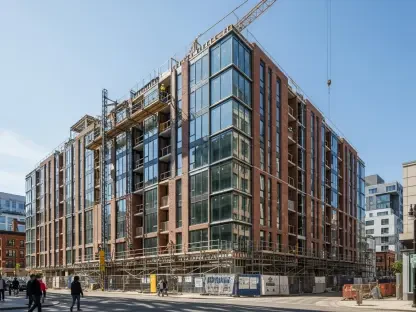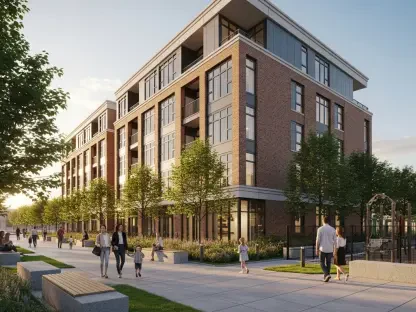

In a city racing to cut carbon without slowing growth, few moments say “it can be done” quite like a topping out on a complex retrofit that adds three floors, locks in safety under new rules, and still puts student experience first. The 360 Bristol team marked structural completion on Marlborough Street at an October 30 ceremony that framed the project not as a one-off feat, but as a practical template for urban regeneration with lower embodied emissions and tighter compliance.
Led by Winvic Construction Ltd for client AG South Plaza B.V. and developer Melburg, the event spotlighted a coordinated delivery model—IESIS guiding as Employer’s Agent and project manager, ECE Westworks shaping the architecture, HEXA optimizing the structure and civils, and BOX 20 steering building services. The message landed clearly: the former 1960s office block is becoming a 10‑story, 399‑bed PBSA in the city center through adaptive reuse, precise strengthening, and a safety-first mindset that now transitions from frame to fit‑out.
As the program moves toward practical completion in summer 2026 and student occupation from September 2026, momentum shifts from heavy lifts to fine-grain integration—facades, fire protection, MEP coordination, and amenity detailing that enable comfort, efficiency, and long-term maintainability. The ceremony, however, was less a pause and more an inflection point, tying construction progress to outcomes that matter for students, neighbors, and the climate.
What stood out: milestones, methods, and messages
Main-stage updates and headline announcements
Speakers confirmed the structure’s completion and the secure addition of three upper levels to the retained frame, the cornerstone move that expands capacity while preserving embodied carbon. Targeted remedial work—especially around the legacy structure’s interfaces—was framed as insurance for durability and as a platform for future maintenance access.
Progress under Gateway 2 of the Building Safety Act drew emphasis, with regulator‑approved design information and upgraded fire protection measures advanced as proof points rather than promises. The team restated headline goals: an estimated 3,500 tons of lifetime carbon savings from reuse, a reported 1,500% biodiversity net gain, and ambitions for EPC A and BREEAM “Excellent,” coupling envelope strategy with services efficiency and metering to support performance in use.
Timeline clarity energized the room: enabling works completed, main construction now underway, sequencing aligned to safe access for facade installation and coordinated services routes. The build’s rhythm—plan, verify, install—was presented as the lever that protects both program and compliance.
Panel insights: adaptive reuse, safety, and student experience
Panelists argued that retrofit-first isn’t just greener—it’s faster and more bankable when the existing frame is sound and well-documented. Retention curbs embodied carbon and avoids the delays that often shadow wholesale demolition, while disciplined surveys and modeling reduce surprises downstream.
On safety, early design assurance and a robust golden thread were cast as competitive advantages, not administrative burdens. Lessons from Gateway 2 sharpened buildability, drove clearer product selection, and locked in traceability that supports long-term asset stewardship as much as it satisfies the regulator.
Crucially, student experience was treated as infrastructure. The amenity offer—gym, cinema, content and karaoke rooms, study spaces, and wellness facilities—was linked to wellbeing, attainment, and a sense of community. Social value featured prominently too: local employment, training weeks, and inclusive hiring were positioned as integral to delivery, not afterthoughts.
On-site walkthroughs and hands-on learning
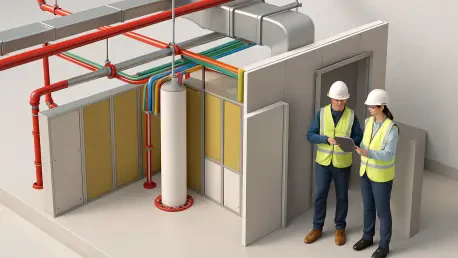
Tours moved from basement to terrace, tracing how retained elements shape the scheme’s identity. Frame strengthening and compartmentation strategies came to life as attendees saw fire stopping mocked up and inspected, then understood how services by BOX 20 thread through the building for performance, resilience, and access.
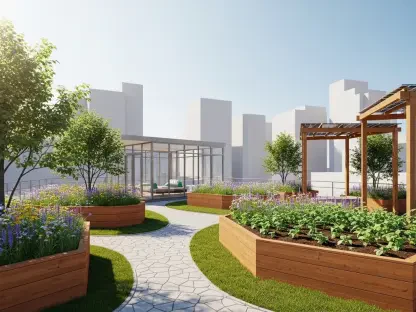
Outdoor space, often squeezed in retrofits, was visible and intentional: a tenth‑floor accessible terrace and podium‑level areas that bring light, air, and social activity into the daily rhythm of student life. Cycle storage remained accessible through construction and into operations, translating sustainability talk into real transport choices.
Engagement bridged ceremony and workforce development. Previous visits with The Restore Trust and IBK Academy were referenced on site, connecting training pathways to roles in logistics, supervision, and safe working practices. One T Level student stepping into an industry placement underscored that the project’s pipeline is already producing opportunity.
Showcases of systems, amenities, and performance targets
Exhibits highlighted the amenity strategy’s social architecture: cluster kitchens paired with lounges and study zones to balance independence and community, while wellness rooms and active spaces encourage healthy routines through the week. The intention was straightforward—spaces that support daily habits are more effective than one-off features.
Operational targets were presented with method as well as ambition. Envelope upgrades, high‑efficiency systems, and granular metering aim to achieve EPC A and BREEAM “Excellent,” but just as important, they enable iterative tuning after handover. The team stressed that measurable performance does not end at practical completion; it begins there.
Fire protection for the retained structure stood out as a defining aspect of the retrofit. The approach—comprehensive assessment, targeted protection, and documented verification—bridged old and new, aligning a mid‑century frame with today’s regulatory expectations and tomorrow’s operational needs.
Why it matters now: outcomes, ripple effects, and what’s next
The day’s coverage crystallized three currents shaping PBSA and dense‑city renewal: retrofit-first delivery to cut embodied carbon, regulation‑led assurance under the Building Safety Act, and a student‑centric amenity model that treats wellbeing and academic support as essential services. These themes converged in tangible metrics—3,500 tons of estimated carbon savings and a 1,500% biodiversity net gain—anchoring intent with accountability.
Equally, the partnership structure functioned as risk management. Winvic’s coordination with AG South Plaza B.V., Melburg, and a focused consultant team streamlined decisions, compressed ambiguity, and kept the program moving. Social value actions—over 50 local employees engaged, more than 200 training weeks planned, and inclusive hiring pilots like Standing Tall—demonstrated that community outcomes are not deferred to operations; they are built in during construction.
Looking ahead, the next phase demanded disciplined fit‑out, facade completion, and systems integration, along with early commissioning that validates safety and performance before handover. Replicating this model elsewhere called for three practical steps: prioritize retention through rigorous surveys and carbon accounting; embed Gateway‑aligned assurance from concept to completion; and treat amenity design as part of the building’s core function, not an add-on. In doing so, the ceremony set a clear path from topping out to a safe, efficient, and student‑ready building in summer 2026.