
The catalyst for a complete technological overhaul of a home often arrives unexpectedly, not as a grand plan, but disguised as a single, unassuming gadget. Acquiring one new-generation device, with its crisper display, superior sound, and seamless connectivity, can suddenly cast a harsh light on the outdated nature of every other piece of technology in the house, revealing a stark contrast between modern capability and lingering obsolescence. This singular experience frequently acts as a gateway, initiating a ripple effect that transforms a simple upgrade into a comprehensive smart home makeover. It is a natural progression that unfolds once the tangible benefits of contemporary technology are directly experienced, moving the concept of a smart home from a niche hobbyist interest to a mainstream pursuit for enhanced convenience and efficiency. This journey, however, requires a strategic approach to avoid the pitfalls of incompatible systems and overwhelming choices, ensuring the result is a truly integrated and intelligent living environment.
Building the Foundation of a Modern Smart Home
The Command Center Smart Displays and Speakers
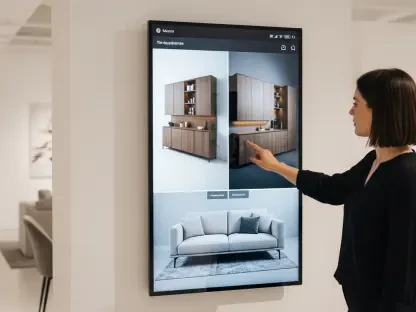
The modern smart home requires a nerve center, a central point of command and control that has evolved far beyond the simple voice-activated speakers of years past. Today’s smart displays and speakers, such as those in the Amazon Echo and Google Nest families, function as the veritable brain of the household ecosystem. They serve as interactive hubs where users can not only stream music and get weather updates but also view security camera feeds, manage calendars, and initiate complex automated routines with a single command. This consolidation of control is paramount; it transforms a collection of individual smart devices into a cohesive, manageable system. Rather than fumbling with multiple apps for lights, thermostats, and locks, the homeowner can orchestrate their entire environment from one central interface. This shift elevates the technology from a series of novelties to an integrated infrastructure that underpins the daily functioning of the home, making sophisticated control accessible and intuitive for everyone.
Committing to a singular technology ecosystem is perhaps the most critical decision when building a smart home, as it directly impacts the user experience and long-term viability of the investment. Attempting to mix and match devices from competing platforms, such as those reliant on Amazon’s Alexa, Google Assistant, or Apple’s Siri, often leads to a frustrating and disjointed experience characterized by compatibility issues and functional limitations. A unified ecosystem ensures that all devices speak the same digital language, allowing for seamless communication and the creation of powerful, cross-device automations. For instance, a doorbell in an Alexa-based system can automatically display its video feed on an Echo Show and announce a visitor’s presence through every speaker in the house. This level of deep integration is what separates a truly smart home from a house that simply contains smart gadgets. The strategic choice of one platform from the outset prevents the home from becoming a digital tower of Babel and instead fosters a harmonious environment where technology works in concert to serve the inhabitants.
Securing Your Perimeter with Intelligent Vigilance
The concept of home security has undergone a radical transformation, moving from passive, reactive alarm systems to a proactive and interconnected model of intelligent vigilance. Modern smart security gear, exemplified by products like Ring video doorbells and Blink wireless cameras, empowers homeowners with unprecedented control and awareness over their property. These devices create a virtual fortress, offering real-time high-definition video feeds, instant motion-activated alerts sent directly to a smartphone, and the ability to communicate with visitors or intruders from anywhere in the world. This continuous monitoring and immediate access to information provide a profound sense of security that traditional systems could never offer. The integration of cloud storage also ensures that critical footage is securely saved and accessible for review, turning these devices into powerful deterrents and invaluable tools for evidence gathering. The result is a comprehensive security posture that is not only more effective but also deeply integrated into the homeowner’s daily life.
The true power of a smart security system is unlocked when it operates not in isolation but as an integral component of the broader home automation network. The synergy between security devices and other smart home elements creates a responsive and intelligent environment that can react dynamically to potential threats. For example, a motion detector on an outdoor camera can be programmed to trigger not only a notification but also the activation of exterior floodlights and the locking of all smart doors. Similarly, a video doorbell can initiate a “welcome home” scene that disarms the security system, adjusts the thermostat, and turns on interior lights. This orchestration of devices transforms security from a standalone function into a catalyst for a wide range of automated actions. This interconnectedness ensures that the home’s response to an event is holistic and immediate, enhancing both safety and convenience by allowing different technologies to work together toward a common goal, creating a fortress that is as intelligent as it is secure.
Enhancing Efficiency and Everyday Living
The Invisible Hand of Home Automation
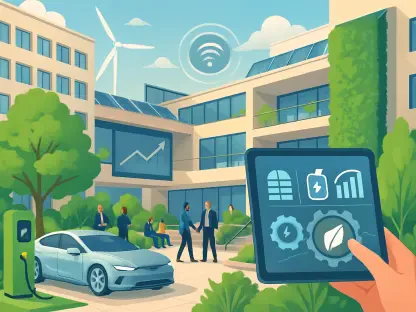
Beyond security and centralized control, the most tangible benefits of a smart home often lie in the subtle, background operations of home automation technology designed to enhance efficiency and reduce waste. Devices such as smart plugs, intelligent thermostats, and connected lighting systems like Philips Hue work as an invisible hand, continuously optimizing the home’s energy consumption without requiring active user intervention. A smart thermostat, for example, learns a household’s patterns and adjusts heating and cooling to minimize energy use when no one is home, leading to significant savings on utility bills. Smart plugs can automatically cut power to electronics in standby mode, eliminating “vampire” energy drain. Smart bulbs can be scheduled to dim in the evenings or turn off when a room is unoccupied. These small, automated adjustments compound over time, creating a home that is not only more convenient and comfortable but also more environmentally responsible and economically efficient, proving that the smartest technology is often the kind you do not notice at all.
The pinnacle of home automation is achieved through the creation of customized routines, or “scenes,” that orchestrate multiple devices to perform a sequence of actions tailored to specific moments of the day. This moves beyond controlling individual gadgets to choreographing the entire home environment. A “good night” routine, for instance, could be triggered by a simple voice command that simultaneously locks the doors, turns off all lights except for a dim pathway to the bedroom, lowers the thermostat, and arms the security system. Conversely, a “wake up” scene could gradually brighten the bedroom lights to simulate a sunrise, start the coffee maker via a smart plug in the kitchen, and play a morning news briefing on a nearby smart speaker. These pre-programmed sequences streamline daily transitions, reduce mental clutter, and add a layer of sophisticated convenience. It is this ability to tailor the home’s behavior to individual lifestyles that truly defines the power of modern automation, making daily life smoother and more predictable.
The Finishing Touches Everyday Convenience Tech
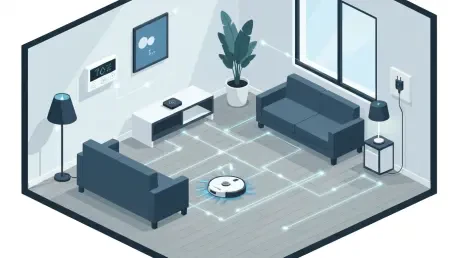
Once the foundational pillars of control, security, and automation are in place, the final layer of a smart home involves integrating technologies that address everyday convenience and quality of life. These are the gadgets that tackle mundane chores and simplify daily tasks, freeing up valuable time and effort. Robot vacuums, such as those from Eufy, epitomize this category, autonomously navigating and cleaning floors on a set schedule, requiring minimal human oversight. On another front, wireless charging pads and stands help to declutter countertops and nightstands, providing a seamless and aesthetically pleasing way to power smartphones, smartwatches, and other personal devices. These technologies may not be as fundamental as a smart thermostat or a security camera, but they provide the finishing touches that elevate a connected house into a truly modern and effortless living space. Their value is measured in the small, daily frictions they remove, collectively contributing to a more streamlined and pleasant home environment.
The ecosystem of a smart home now extends beyond the physical boundaries of the house, seamlessly integrating with personal and creative technologies to create a more holistic connected experience. Wearable devices, such as the Samsung Galaxy Watch 7, serve as mobile command centers, allowing users to receive security alerts, adjust lighting, or even answer their smart doorbell directly from their wrist, whether they are in the living room or miles away. For professionals and content creators, tools like the Elgato Stream Deck have found a new purpose beyond their original intent; their customizable buttons can be programmed to trigger complex smart home scenes, offering tactile, one-touch control over the entire environment. This convergence of personal gadgets with home infrastructure demonstrates that the modern smart home is not just about automating a building, but about creating an ecosystem that is deeply intertwined with an individual’s digital life, providing a fluid and unified experience across all devices.
A Contrasting Current in Home Entertainment
The Unplugged Counter Trend in Childrens Entertainment
While adults increasingly embrace a future of interconnected devices and automated living, a fascinating counter-trend has emerged in the world of children’s entertainment. The most sought-after toys for the 2025 holiday season reflect a significant pivot away from screen-based, digital experiences toward tangible, physical, and nostalgic play. This movement underscores a growing recognition of the value of hands-on interaction, creativity, and social engagement. Instead of apps and video games, the market is seeing a powerful resurgence of classic play patterns, with board games, creative compounds like slime, and traditional dolls and playsets dominating wish lists. This shift suggests a collective desire among parents and children alike for entertainment that is grounded in the real world, fostering skills like strategic thinking, social negotiation, and imaginative storytelling. It presents a striking contrast to the high-tech smart home, indicating that while technology is embraced for home management, there is a concurrent push to preserve a more traditional, unplugged form of childhood play.
The evidence for this unplugged trend is abundant in the specific products gaining immense popularity. The board game aisle, for instance, is thriving with renewed vigor, led by countless themed editions of classics like Monopoly, which now feature cultural touchstones ranging from Barbie and Squishmallows to Harry Potter. Beyond simple re-skins, novelty games with quirky animal themes and unique mechanics are also capturing the imaginations of young audiences. Nostalgia is another powerful driver, with the revival of beloved brands like the Care Bears and the continued popularity of Harry Potter dolls and elaborate playsets. These toys encourage collecting, imaginative role-playing, and shared experiences. Even the persistent demand for slime kits points to a preference for tactile, sensory play that is messy, creative, and decidedly low-tech. Together, these trends paint a clear picture of a market that, in a world saturated with digital stimuli, has found a renewed appreciation for the simple, enduring joy of tangible fun and shared moments.
A Strategic Path to a Connected Future
Ultimately, the journey toward a fully realized smart home was revealed to be a process of deliberate evolution rather than a single, sweeping installation. The transformation often began with the introduction of one pivotal device, whose advanced capabilities illuminated the potential for a more responsive and efficient living space. This initial step proved to be less about the gadget itself and more about the shift in mindset it inspired, encouraging a strategic evaluation of how technology could be integrated to serve practical needs. The most successful adoptions were those guided by a commitment to a unified ecosystem, which prevented the accumulation of disparate, incompatible technologies and instead fostered a truly intelligent and cohesive environment. The path forward was therefore defined not by the quantity of devices acquired, but by the thoughtful curation of a system built with clear purpose, ensuring the resulting smart home was a seamless extension of modern life.