Imagine a world where architects and engineers can offload tedious tasks to a digital assistant, freeing their minds to craft visionary designs, all while knowing their data and creativity remain secure. That’s the compelling vision presented at Graphisoft Ignite, held this year in Budapest, Hungary, the hometown of Graphisoft, a leading name in the architecture, engineering, and construction (AEC) technology space under the Nemetschek Group umbrella. This two-day conference wasn’t just a showcase of shiny new tools; it was a bold statement about the future of design and construction, tackling some of the industry’s toughest challenges head-on. From groundbreaking artificial intelligence (AI) integrations to innovative software updates, the event offered a glimpse into how technology can reshape workflows while keeping human ingenuity at the forefront.
The buzz around AI as a collaborative partner, rather than a replacement for professionals, set the tone for much of the discussion. Alongside this, significant product reveals and a sharp focus on seamless collaboration across platforms signaled Graphisoft’s determination to address real-world pain points. Moreover, the spotlight on ethical tech use and solutions for systemic industry issues like labor shortages added depth to the narrative. As the event unfolded, it became clear that Graphisoft is not just innovating for today but strategically positioning itself for tomorrow’s demands.
AI and Human-Centric Design
AI as a Collaborative Partner
At the heart of Graphisoft’s vision lies a powerful ideAI should act as a trusted co-pilot, not a standalone driver, in the design process. Unveiled at the conference, tools like the Archicad AI Assistant are engineered to take on repetitive grunt work—think data entry or routine drafting tasks—allowing architects and engineers to channel their energy into creative problem-solving. This approach isn’t about handing over the reins but about enhancing human capabilities, ensuring that the final say in design intent stays firmly with the professional. Executives emphasized that this balance is critical in an era where technology can easily overstep, potentially stifling the very innovation it aims to support. The message resonated strongly, painting AI as a tool that amplifies rather than automates, a subtle but impactful distinction in an industry often wary of losing its human touch.
Beyond just workload relief, this collaborative framing of AI sparked conversations about redefining roles within design teams. Imagine a scenario where an architect, bogged down by endless revisions, can lean on AI to suggest optimized layouts or flag inconsistencies, all while retaining full control over aesthetic and functional decisions. This isn’t a distant dream but a tangible shift, as Graphisoft positions its technology to foster creativity through alternative perspectives. Such a mindset aims to break down barriers of fatigue and time constraints, potentially leading to more innovative outcomes. It’s a refreshing take, especially when contrasted with broader tech trends that sometimes prioritize efficiency over the nuanced needs of human creators.
Ethical Considerations in AI
Turning to the thornier side of technology adoption, Graphisoft tackled head-on the industry’s growing unease about data privacy and intellectual property in the age of AI. A firm commitment was made to safeguard user data, with promises of robust protections woven into their tools—an assurance that stood out as a competitive edge. This isn’t just lip service; it addresses a very real fear among AEC firms that their proprietary designs could be harvested or misused by software vendors. By prioritizing ethical standards, the company seeks to build trust, a currency just as valuable as innovation in today’s digital landscape. This stance feels like a direct response to past controversies in the tech world, where ambiguous policies have left users vulnerable.
Moreover, this ethical focus extends to how AI is trained and deployed, with an emphasis on transparency and vetted knowledge bases for tools like the Archicad AI Assistant. The goal is to ensure that outputs are reliable and respectful of user ownership, avoiding the pitfalls of unchecked algorithms that might repurpose sensitive information. Such diligence could set a benchmark for others in the sector, nudging the conversation toward accountability. For firms hesitant to embrace AI due to these risks, Graphisoft’s promises might just tip the scales, offering a safer path to integrate cutting-edge tech without sacrificing control or security. It’s a bold move that could redefine industry expectations.
Product Innovations and Tools
Archicad 29 and Workflow Enhancements
Diving into the nuts and bolts of innovation, Archicad 29 emerged as a centerpiece of the conference, delivering updates that might not scream revolution but certainly whisper practicality. Enhanced schedules, refined renovation filters, and a much-requested dark mode interface were among the highlights, each tweak aimed at smoothing out the rough edges of daily design and documentation tasks. For professionals bogged down by clunky processes, these changes promise a quieter kind of progress—one that saves time on the small stuff so the big ideas can shine. It’s less about flashy overhauls and more about listening to user feedback, a pragmatic approach that acknowledges the grind of real-world workflows.
Furthermore, these incremental improvements reflect a deeper understanding of how small frustrations can compound over a project’s lifecycle. Consider the renovation filters, which now allow for clearer tracking of existing versus new elements—a seemingly minor update that can drastically cut down on errors during complex retrofits. Pair that with better multi-page PDF relinking, and the result is a toolset that quietly boosts efficiency without demanding a steep learning curve. While some attendees noted that the AI Assistant’s initial capabilities felt limited, the overall reception of Archicad 29 suggests that Graphisoft is striking a balance between introducing new tech and refining core functionalities. This focus on usability could cement user loyalty in a competitive market.
MEP Designer and Project Aurora
Shifting gears to broader horizons, Graphisoft unveiled MEP Designer, a standalone solution tailored for mechanical, electrical, and plumbing engineers, marking a targeted push into specialized workflows. Built on Archicad’s engine, this tool streamlines route design and coordination within architectural models, addressing a niche but critical pain point in project coordination. It’s a clear signal that Graphisoft isn’t content to rest on its laurels in traditional BIM; instead, it’s carving out space in adjacent domains where seamless integration can make or break a project’s timeline. This move feels like a strategic play to capture a wider user base, especially among engineering teams often left juggling disparate software.
Equally ambitious is Project Aurora, a cloud-native platform for early-stage design and feasibility studies, with a phased rollout slated for next year. Unlike the detailed focus of Archicad, Aurora aims to empower conceptual planning, offering a sandbox for ideas before they hit the drafting board. This expansion into the ideation phase shows Graphisoft stretching beyond its comfort zone, aiming to support the full spectrum of a building’s lifecycle. While still in its infancy, the platform hints at a future where early decisions are data-driven and collaborative, potentially reducing costly revisions down the line. Together, MEP Designer and Project Aurora paint a picture of a company widening its lens, tackling diverse project stages with tailored innovation.
Interoperability and Ecosystem Growth
Breaking Down Software Silos
One of the loudest applause moments at the conference came with the announcement of a native connector for Autodesk Construction Cloud, a game-changer in the quest for interoperability. This, alongside bolstered support for IFC 4.3 and integrations with Nemetschek brands like Bluebeam Studio and Solibri, underscores Graphisoft’s recognition that modern AEC projects rarely operate in a single-vendor vacuum. The reality of mixed-tool environments demands smooth data exchange, and this connector is a pragmatic step toward reducing friction between proprietary systems. It’s a nod to the complexity of today’s workflows, where collaboration isn’t just nice to have—it’s non-negotiable.
In addition, this push for connectivity extends beyond mere compatibility to a deeper ecosystem synergy. Tighter integrations within the Nemetschek family mean real-time review sessions and model checking become less of a headache, while compatibility with tools like Rhino-Grasshopper opens doors to generative design workflows. The commitment to open standards like IFC 4.3 also aligns with regulatory mandates, ensuring compliance doesn’t slow down progress. For project teams, this could translate to fewer dropped balls during handoffs, a persistent thorn in the industry’s side. Graphisoft’s efforts here suggest a maturing perspective where vendor rivalry takes a backseat to collective project success, a trend worth watching as complexity in construction only grows.
Expanding Global Reach
On a different but equally strategic note, Graphisoft laid out plans to boost its global footprint, targeting a 25-30% customer base increase within a year and zoning in on high-growth regions like Saudi Arabia and the UAE. These markets, fueled by massive construction initiatives, represent ripe opportunities for AEC tech adoption. This isn’t just about selling software; it’s about embedding solutions into regions where infrastructure booms are reshaping economies. Such expansion signals confidence in the scalability of Graphisoft’s tools, positioning them as go-to options for projects under intense time and budget pressures.
Complementing this geographic push is a forward-looking investment in education, with partnerships to equip universities with Archicad for training the next wave of AEC professionals. With an aging workforce—over 40% expected to retire in the coming years—this focus on youth is a lifeline against looming labor shortages. By fostering familiarity with their tools among students, Graphisoft isn’t just building a user base; it’s shaping a talent pipeline equipped for digital-first design. This dual strategy of immediate market penetration and long-term skill development reveals a layered approach to growth, balancing today’s wins with tomorrow’s sustainability in an industry at a demographic crossroads.
Cloud Solutions and Immersive Tech
BIMcloud and BIMx Updates
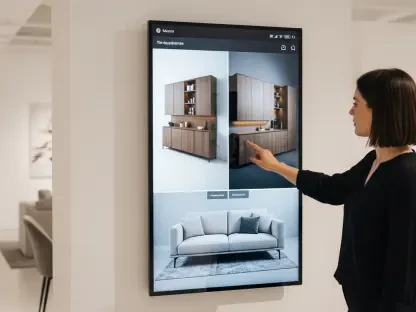
Stepping into the digital frontier, Graphisoft showcased updates to BIMcloud that reinforce its role as a backbone for collaborative design within the Nemetschek ecosystem. Features like public link sharing and multi-core performance boosts make team coordination smoother, especially for remote or distributed crews—a growing norm in today’s globalized projects. Meanwhile, BIMx’s leap forward with Apple Vision Pro support introduces immersive walkthroughs, turning client presentations into visceral experiences rather than static slideshows. These advancements aren’t just tech for tech’s sake; they’re about making design accessible and engaging, whether for a stakeholder across the table or across the world.
Additionally, these updates carry a broader implication for how projects are perceived and sold. Immersive tools like BIMx on cutting-edge hardware can bridge the gap between technical plans and client understanding, potentially speeding up approvals and reducing miscommunication. On the BIMcloud side, enhancements like migration tools for its SaaS version ease the shift to cloud-based workflows, a transition many firms still grapple with. This isn’t about forcing a new paradigm but meeting teams where they are, offering flexibility amid varying tech adoption rates. Graphisoft’s emphasis here on practical cloud solutions paired with forward-leaning immersive tech strikes a chord, hinting at a future where collaboration and visualization walk hand in hand.
Platform Consistency Across Devices
Equally noteworthy is the drive toward platform consistency, particularly with BIMx, where features now align across desktop and mobile environments. This unification means a designer tweaking a model on a tablet in the field can expect the same functionality as a colleague at a desktop in the office, eliminating the frustration of mismatched tools. Such seamlessness might sound like a small win, but for teams juggling multiple devices and tight deadlines, it’s a quiet game-changer. Graphisoft’s attention to this detail reflects an understanding that accessibility isn’t just about having a tool—it’s about ensuring it works wherever and however it’s needed.
Moreover, this consistency ties into a larger narrative of reducing barriers to adoption, a hurdle for many AEC technologies. When software behaves predictably across platforms, training time shrinks and user confidence grows, fostering wider uptake among diverse team members. It’s a subtle but strategic move to make tech feel less like a burden and more like an ally, especially for smaller firms or those new to digital workflows. Coupled with the immersive capabilities mentioned earlier, this focus on user experience positions Graphisoft as a company that doesn’t just innovate upward but outward, reaching users of all stripes. It’s a practical vision that could reshape how design tools are integrated into daily practice, paving the way for broader efficiency gains.
Shaping the Future of AEC Technology
Reflecting on Industry Impact
Looking back on Graphisoft Ignite, the event crystallized a pivotal moment for the AEC sector, blending technological leaps with a grounded response to systemic challenges. The unveiling of AI as a supportive tool through initiatives like the Archicad AI Assistant demonstrated a thoughtful approach to balancing automation with human oversight. Meanwhile, product rollouts such as Archicad 29 and MEP Designer addressed immediate workflow needs, while Project Aurora hinted at ambitious expansions into untapped project phases. These steps collectively marked a deliberate effort to tackle inefficiencies and labor shortages that have long plagued the industry.
Charting the Path Ahead
Moving forward, the industry can take inspiration from Graphisoft’s dual focus on innovation and pragmatism to navigate its next chapter. Firms should consider adopting interoperable tools like the Autodesk Construction Cloud connector to streamline multi-vendor projects, while exploring cloud solutions such as BIMcloud for enhanced remote collaboration. Embracing ethical AI frameworks could also build trust among teams hesitant about data risks. As sustainability pressures mount, leveraging these technologies to optimize resources and reduce carbon footprints becomes not just an option but a necessity. Graphisoft has laid out a roadmap; now it’s up to the sector to drive these tools into actionable change, ensuring technology serves as a catalyst for a more resilient and connected future in construction.