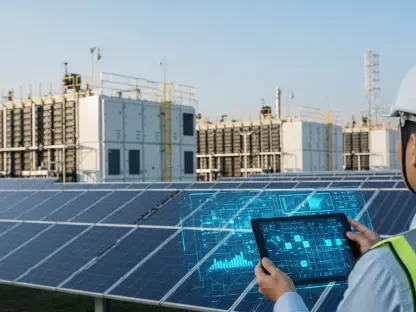

The very fabric of facilities management is undergoing a profound and irreversible shift, moving decisively away from decades of reactive problem-solving toward an era of predictive, intelligence-driven operations. This transformation is not a distant vision but a present-day reality, propelled by the urgent need to navigate increasing operational complexity, automate time-consuming manual processes, and address persistent labor shortages across the industry. Advanced capabilities such as artificial intelligence and large-scale automation, once considered premium add-ons for specialized facilities like data centers, are now rapidly becoming baseline expectations for every type of commercial property. The future is no longer about responding to alarms; it is about creating integrated, intelligent systems that simplify workflows, automate routine tasks, and empower teams with clear, actionable insights derived from a holistic view of a building’s entire operational ecosystem. This evolution is redefining what it means to manage a building safely, efficiently, and sustainably.
Establishing a Foundation of Seamless Integration
A foundational requirement for this new paradigm is the achievement of true interoperability, a goal that has long eluded the building management industry. For years, progress was constrained by deep-seated fragmentation, where individual pieces of equipment—from chillers to access control panels—relied on proprietary software and closed data models. This created significant barriers to integration, stifled innovation, and made it exceedingly difficult for operators to gain a unified understanding of facility performance. However, the current surge in artificial intelligence and the widespread proliferation of Internet of Things devices are systematically dismantling these legacy barriers. The industry is witnessing the emergence of connected frameworks built on shared standards and ontologies, which allow data to flow freely between previously disparate assets, creating a common language for all building systems to communicate effectively and efficiently.
This move toward universal connectivity is exemplified by smart platforms that utilize a “unified data fabric” to normalize information from countless sources, thereby eliminating the need for costly custom integrations and extensive engineering support. This standardized data structure provides a consistent and comprehensive operational view, which in turn allows operators to finally graduate from a state of constant reactive decision-making. With the newfound ability to evaluate multi-system performance through a single, intuitive interface, facility teams can leverage AI to coordinate complex, end-to-end actions that previously demanded significant and often error-prone manual intervention. It is now clear that a technology vendor’s commitment to open standards and seamless interoperability has become a decisive factor in selection processes, a trend propelled by industry groups that are formalizing standards for frictionless integration across all systems.
Driving Efficiency Through Intelligent Automation
Building upon this foundation of integrated data, AI-enabled automation is poised to deliver profound operational efficiencies, with predictive maintenance leading the charge. By consolidating and analyzing a continuous stream of performance data from all connected equipment—including subtle temperature fluctuations, energy consumption patterns, and acoustic anomalies—these intelligent platforms can accurately predict failures before they occur. This proactive capability offers a multitude of benefits that directly impact the bottom line and occupant experience. It enables maintenance teams to schedule service in a timely and strategic manner, minimizing disruption to building occupants and business operations. Furthermore, it helps extend the lifespan of critical equipment by addressing minor issues before they escalate into catastrophic failures, and it significantly reduces overall operating costs by allowing technicians to avoid unnecessary trial-and-error diagnostics and shorten repair cycles.
Another critical area of efficiency driven by automation is comprehensive energy optimization. Greater connectivity provides unprecedented, real-time visibility into how a building and its intricate systems are functioning, moving operators far beyond a reliance on static, historical reports. This live insight allows for immediate and dynamic adjustments to maximize energy usage, a paramount concern given that energy consumption represents one of the highest operational costs for commercial buildings. The urgency of this issue is underscored by findings that approximately 30% of energy in commercial facilities is wasted. The successful use of an AI platform by Vanderbilt University to enhance efficiency across its sprawling campus, particularly in its older and less efficient buildings, demonstrates the immense value of this approach for large-scale portfolios. This trend is solidifying so rapidly that energy optimization is evolving from a best practice into a formal, required performance metric for modern buildings.
Empowering Operators in a New Digital Era
Beyond the machinery and metrics, this technological evolution directly addresses the human element by making building operators more efficient and effective, especially in the face of ongoing labor shortages. As organizations across the globe struggle to hire and retain experienced personnel, AI is poised to become an indispensable support layer for facilities teams. It functions as a “frontline assistant,” capable of constantly evaluating building conditions, surfacing issues that require immediate attention, and suggesting appropriate next steps based on real-time data and historical trends. This provides timely and context-aware guidance during periods of high workload or reduced staffing, ensuring that critical tasks are not overlooked. This intelligent support system acts as a powerful tool for both new and experienced professionals alike, bridging knowledge gaps and amplifying expertise.
For technicians who are early in their careers, this AI-driven support offers structured recommendations and step-by-step guidance to help them navigate unfamiliar situations with confidence and precision. For seasoned professionals, it acts as a “force multiplier,” enabling them to achieve greater scale by overseeing larger teams and more complex portfolios without compromising performance or safety. As the demands for system uptime, operational efficiency, and occupant comfort continue to escalate, operators will increasingly depend on platforms that can proactively identify potential issues and coordinate automated, intelligent responses. This synergy between human expertise and artificial intelligence ensures that buildings are not only smarter but also more resilient and responsive to the needs of the people who occupy them, marking a new chapter in operational excellence.
The Dawn of a Self-Optimizing Environment
The convergence of these powerful technologies marked a fundamental turning point in how built environments were managed. Predictive maintenance alerts and automated energy adjustments, once considered groundbreaking innovations, became standard practices operating quietly and efficiently in the background. This transition transformed what was once a highly manual and reactive field into a seamless, self-optimizing process. Facility operators came to rely on intelligent platforms that could not only identify potential issues with remarkable accuracy but also coordinate automated responses without human intervention. This continuous innovation proved central to creating the safer, more resilient, and highly efficient buildings that now define the modern urban landscape.