
A profound shift in domestic energy management is reshaping households across the United Kingdom, empowering homeowners with an unprecedented level of control over their electricity consumption and expenditure. This transformation is driven by the integration of home battery storage systems with intelligent Home Energy Management Systems (HEMS), a combination that elevates a home from a passive electricity consumer into a dynamic, semi-autonomous energy hub. This technological pairing moves far beyond the initial steps of smart meters and rooftop solar panels, offering a comprehensive solution to the persistent challenges of volatile energy bills, the unpredictability of grid supply, and the desire for greater energy independence. By enabling the capture, storage, and strategic deployment of electricity, these integrated systems are not just a novel convenience but are becoming a cornerstone of the modern, resilient, and cost-effective home. As the UK’s energy landscape continues to evolve, this synergy of storage and intelligence positions early adopters to navigate the future with greater financial stability and energy security.
Understanding the Smart Energy Duo
The Foundation Your Home Battery
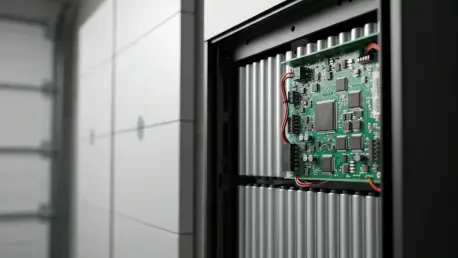
At the core of this home energy revolution lies the battery storage unit, which functions as a sophisticated, personal energy reservoir. The prevailing technology for these systems is lithium-iron-phosphate (LFP), a chemistry highly valued for its exceptional safety profile, long operational lifespan, and consistent performance across thousands of charge-discharge cycles. Unlike other lithium-ion variants, LFP is less prone to thermal runaway, making it a more stable and secure choice for a domestic environment. Each battery is governed by a crucial component known as the Battery Management System (BMS). This integrated system acts as the battery’s guardian, constantly monitoring vital metrics such as internal temperature, cell voltage, and current flow. The BMS ensures the battery operates within safe parameters, optimizing its performance and extending its longevity by preventing overcharging, deep discharging, and overheating. This robust internal management makes the battery a reliable and quiet power source, capable of delivering electricity on demand regardless of external conditions, whether it be a stormy night or a disruption in the national grid supply.
The utility of a home battery extends into two primary scenarios, making it a valuable asset for nearly any household. For homes equipped with solar panels, the battery is the key to unlocking the full potential of their renewable energy investment. During peak sunlight hours, solar arrays often generate more electricity than the home can immediately consume. Without storage, this surplus energy is typically exported to the grid for minimal financial compensation. A battery captures this excess power, storing it for use during the evening or on overcast days when solar generation is low or nonexistent. This dramatically increases a household’s solar self-consumption rate, reducing its reliance on purchasing electricity from the grid. For homes without solar, the battery remains a powerful tool for cost savings. By leveraging time-of-use tariffs, which offer cheaper electricity during off-peak hours (usually overnight), homeowners can program their system to charge the battery when grid prices are at their lowest. This stored, low-cost energy is then used to power the home during peak periods when electricity is most expensive, a practice known as tariff arbitrage that directly reduces monthly energy bills.
The Brains The Energy Management System
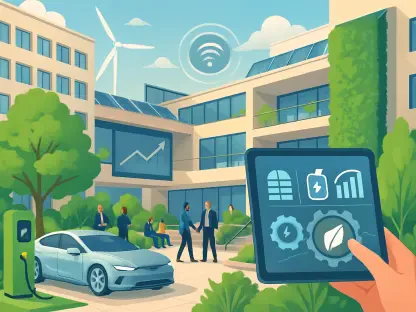
If the battery is the heart of the system, the Home Energy Management System (HEMS) is undoubtedly its brain. This advanced control center serves as the intelligent hub that connects and orchestrates the flow of energy between all key components of a home’s electrical ecosystem. It seamlessly integrates the solar panels, the home battery, smart appliances, an electric vehicle (EV) charger, and the connection to the national grid into a single, cohesive network. The primary function of the HEMS is optimization, a task it performs by continuously gathering and analyzing real-time data from every connected device. It monitors how much energy is being generated, where it is being consumed, the current state of the battery’s charge, and the fluctuating price of grid electricity. Based on this constant stream of information, the HEMS makes intelligent, automated decisions to ensure that energy is sourced, stored, and utilized in the most efficient and cost-effective manner possible. This level of dynamic management automates what would otherwise be an impossibly complex task for a homeowner to perform manually.
The HEMS transforms a collection of individual devices into a synergistic, responsive system. For instance, on a bright sunny day when solar generation is high, the HEMS will first direct the clean energy to power any active appliances within the home. Once those immediate needs are met, it will use the surplus to charge the home battery. If the battery reaches full capacity and there is still excess solar power being generated, the HEMS will then make a final decision to either charge a connected EV or, as a last resort, export the energy to the grid. This hierarchical approach ensures that self-generated power is maximized within the home first. Furthermore, the HEMS can strategically manage high-consumption devices through a process called load shifting. It can be programmed to delay the charging cycle of an EV or the operation of a heat pump until a low-tariff period begins or until sufficient free solar energy becomes available. This intelligent automation not only maximizes savings but also helps to reduce strain on the national grid during peak demand hours, all happening seamlessly in the background without requiring any direct intervention from the homeowner.
The Transformative Benefits
Achieving Financial Control
The true financial power of an integrated battery and HEMS is unlocked through its ability to intelligently manage energy flows to minimize costs. For households with solar panel installations, the system’s primary benefit is the maximization of self-consumption. It meticulously monitors the output from the solar array and compares it against the home’s real-time energy demand. When generation exceeds consumption, the HEMS automatically diverts the surplus electricity to the battery for storage rather than exporting it to the grid for a low feed-in tariff. Later, as the sun sets and household energy demand rises for evening activities, the HEMS seamlessly transitions the home’s power source from the grid to the stored battery reserve. This invisible handoff ensures that the valuable, self-generated solar power is used to its fullest potential, directly displacing the need to purchase expensive peak-rate electricity. This process significantly boosts the home’s energy independence and can lead to substantial reductions in monthly utility bills, accelerating the return on investment for the entire solar and storage system.
Even for homes without solar panels, the system offers a powerful strategy for financial control through a practice known as tariff arbitrage or time-of-use optimization. With the increasing prevalence of dynamic electricity pricing in the UK, the cost of power can vary significantly throughout the day. The HEMS is designed to capitalize on these price fluctuations automatically. It monitors the grid’s pricing structure and executes a daily cycle of charging the battery from the grid during designated off-peak periods when electricity is cheapest, typically overnight. It then stores this low-cost energy and deploys it to power the household during the afternoon and evening peak hours, when grid electricity is at its most expensive. This automated load shifting effectively insulates the household from the most extreme price variations, creating a buffer against market volatility. The result is a more stable, predictable, and ultimately lower energy bill, giving homeowners a powerful tool to manage one of their most significant and often unpredictable household expenses. This capability makes battery storage a compelling proposition for any consumer on a time-of-use tariff, regardless of their ability to generate their own renewable energy.
Ensuring Energy Resilience
A critical advantage of an integrated battery and HEMS is the enhanced energy security and resilience it provides, offering invaluable peace of mind during unexpected power outages. When the national grid supply is interrupted, whether due to severe weather, technical faults, or maintenance, the system can instantly detect the loss of power and automatically switch the home’s designated critical circuits to run on the stored battery power. This transition is typically seamless, occurring so quickly that occupants may not even notice the grid has gone down. This ensures that essential devices and services remain operational, preserving normalcy and safety within the home. Key appliances like refrigerators and freezers continue to run, preventing food spoilage. Essential lighting remains on, home office equipment such as computers and internet routers stay connected, and medical devices can continue to function without interruption. This capability transforms the home into a self-sufficient island, capable of weathering grid failures that could otherwise cause significant disruption and inconvenience.
Beyond providing immediate backup, advanced systems offer homeowners greater control over their emergency power strategy. Many HEMS platforms allow users to designate a specific percentage of the battery’s capacity as a permanent emergency reserve. For example, a homeowner could set a 20% reserve, meaning the system will never discharge the battery below this level during its normal daily operations of tariff arbitrage or solar self-consumption. This guarantees that a predetermined amount of backup power is always available, set aside exclusively for a grid outage. This feature provides an added layer of security, ensuring that even after a day of heavy use, there is still enough energy in reserve to power critical loads for several hours. This ability to pre-plan for emergencies provides not just practical benefits but also a profound sense of security, knowing that the home is prepared for unforeseen events. This level of resilience is becoming increasingly valuable as the national grid faces new challenges from extreme weather and the rising demands of electrification.
Contributing to a Greener Grid
The adoption of home battery storage systems marks a fundamental shift in the relationship between consumers and the energy grid, transforming passive users of electricity into active participants, often referred to as “prosumers.” By installing these systems, households gain the ability to manage their own energy microgrids, making intelligent decisions about when to store, use, or even share their energy. This decentralization of energy management empowers individuals to take direct action in support of their financial goals and environmental values. Instead of being solely dependent on a distant power plant, a home with a smart battery can optimize its use of self-generated renewable energy, thereby reducing its carbon footprint. This active management role fosters a greater sense of ownership and responsibility for energy consumption, encouraging more sustainable habits and contributing to a broader culture of energy awareness. This movement empowers homeowners to become key players in the transition to a more sustainable energy future.
On a larger scale, the collective impact of thousands of homes equipped with smart batteries creates significant benefits for the national grid. This distributed network of home batteries acts as a virtual power plant, helping to balance supply and demand across the entire system. During periods of high renewable generation, such as on a very windy or sunny day, the grid can become saturated with more power than is needed. This network of home batteries can absorb this excess clean energy, preventing waste and reducing the need to curtail renewable sources. Conversely, during periods of high demand, when the grid is under the most strain, these systems can reduce their draw from the grid by running on stored battery power. This collective action helps to lower peak demand, reducing the need for expensive and often carbon-intensive “peaker” power plants. This distributed resilience supports the UK’s broader goals of decarbonization, creating a more flexible, stable, and efficient energy infrastructure capable of handling the increasing demands of electrifying transport and heating.
A Practical Guide to Getting Started
Planning Your System
The first and most critical step in adopting a home battery system is determining the appropriate size and capacity for your specific needs, as a one-size-fits-all approach does not apply. The ideal system size depends heavily on a household’s daily energy consumption, the presence of a solar panel array, and its primary goals. For instance, a smaller home or apartment focused primarily on tariff optimization might find a 3–5 kWh battery sufficient to store enough off-peak electricity to cover peak-hour usage. A typical semi-detached home with a moderately sized solar panel system looking to maximize self-consumption would likely benefit from a 5–10 kWh system. Larger properties with high energy loads, such as those with an EV charger and an electric heat pump, may require a capacity of 10–20 kWh or even more to meet their demands and provide meaningful backup power. A key advantage of modern battery technology is the trend toward modularity. Many manufacturers offer systems that can be expanded over time, allowing homeowners to start with a smaller, more affordable capacity and add more battery modules later as their energy needs evolve or their budget allows.
Before making a significant financial commitment, it is essential for homeowners to conduct a thorough analysis of their energy consumption patterns and clearly define their objectives. The best tool for this initial planning phase is the data provided by a smart meter. By reviewing historical usage data, homeowners can identify their peak consumption times, calculate their average daily electricity use, and, if they have solar panels, determine how much surplus energy they typically export to the grid. This information is invaluable for accurately sizing the battery and HEMS. With this data in hand, homeowners should define their primary goal for the system. Is the main driver to achieve the lowest possible energy bill through tariff arbitrage? Is it to gain energy independence by using as much self-generated solar power as possible? Or is the top priority ensuring uninterrupted power for a home office during grid outages? Establishing this clear strategy ensures that the designed system is appropriately configured to deliver the desired long-term results and provides the best possible return on investment.
Ensuring Safe and Compliant Installation
The proper and safe installation of a home battery system is a non-negotiable aspect that directly impacts its performance, longevity, and, most importantly, the safety of the household. This is not a do-it-yourself project; it must be carried out by a qualified and certified professional with specific experience in battery storage systems. These technicians understand the technical requirements for handling high-voltage equipment and will ensure the system is installed correctly. The physical placement of the battery is also a critical consideration. The unit should be situated in a well-ventilated, temperature-stable location, such as a garage or utility room, away from direct sunlight and protected from extreme temperatures, which can affect battery performance and lifespan. The installer will also ensure that all electrical connections are secure and that the system is properly grounded, minimizing any potential risks and guaranteeing that the system operates as intended from day one.
Beyond the physical installation, ensuring regulatory compliance and system compatibility is crucial for a successful and effective setup. In the UK, any energy storage system connected to the grid must comply with specific engineering standards, such as G98 and G99, which govern how the device interacts with the national electricity network. A certified installer will handle the necessary applications and ensure the system is fully compliant, which is essential for both safety and legal operation. Furthermore, for the HEMS to function as the intelligent brain of the operation, seamless interoperability between all components is vital. The chosen HEMS must be able to communicate flawlessly with the battery modules, the solar inverter, and any other connected smart home devices. This integration is what allows for the creation of a truly automated and responsive energy strategy. A lack of compatibility can lead to a fragmented system that fails to deliver its full potential, highlighting the importance of choosing a cohesive ecosystem of products or ensuring that different components are certified to work together effectively.