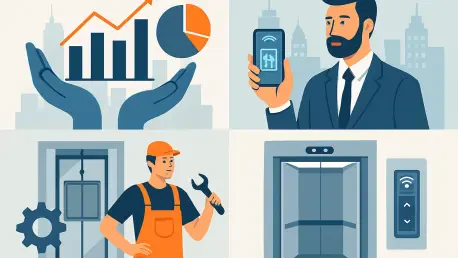

The global smart elevator market is undergoing a profound transformation, evolving from a simple mode of vertical transportation into a highly integrated component of modern intelligent buildings, with projections indicating a substantial expansion from its 2024 valuation of $14.4 billion to an impressive $24.7 billion by 2035. This growth, which corresponds to a compound annual growth rate of approximately 5.1% over the forecast period, is not merely about faster or more luxurious elevators. Instead, it represents a fundamental shift driven by the integration of digital technologies such as the Internet of Things (IoT), artificial intelligence (AI), and advanced control systems. These next-generation systems leverage cloud-based analytics and a network of sophisticated sensors to optimize passenger traffic, dramatically reduce energy consumption, and enable proactive predictive maintenance, thereby enhancing operational reliability, safety, and the overall user experience in ways that were previously unattainable.
The Confluence of Urbanization and Sustainability
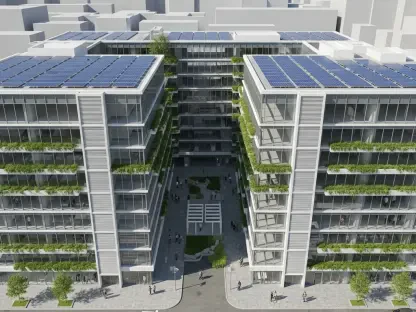
The relentless pace of global urbanization stands as a primary catalyst propelling the smart elevator market forward. As urban centers continue to swell, the demand for high-density vertical infrastructure, including towering residential and commercial buildings, has escalated dramatically. In these densely populated environments, the efficient management of high-volume passenger traffic is no longer a luxury but a critical operational necessity. Smart elevators directly address this challenge by minimizing wait times and ensuring a smooth, seamless flow of people throughout a building. This trend is further amplified by the parallel rise of comprehensive smart building and smart city initiatives. Governments and private developers are making significant investments to create intelligent, interconnected urban ecosystems where smart elevators are a core, integrated component, communicating flawlessly with building management systems, security access controls, and sophisticated energy management platforms to create a truly cohesive and efficient environment.
In direct response to a growing global consciousness around environmental responsibility, the emphasis on energy efficiency and sustainability has become a powerful driver for the adoption of smart elevator technology. These systems are specifically designed to align with stringent green building standards by incorporating a suite of energy-saving features. A key innovation is the use of regenerative drives, which intelligently capture kinetic energy generated during braking and convert it into reusable electricity that can be fed back into the building’s power grid. This, combined with intelligent sleep modes that power down unused cabs and advanced traffic management algorithms that optimize routes to reduce unnecessary trips, contributes to a significant reduction in a building’s overall power consumption and carbon footprint. This clear alignment with sustainability goals and prestigious green building certifications like LEED makes smart elevators a highly attractive and strategic investment for environmentally conscious developers and building owners seeking to enhance their properties’ value and appeal.
Overcoming Barriers and Capitalizing on New Frontiers
Despite its promising growth trajectory, the smart elevator market is not without its challenges, which must be navigated for widespread adoption. A significant restraint is the high initial capital investment required for these advanced systems. The sophisticated hardware, complex software, and intricate integration processes result in substantially higher upfront costs compared to their conventional counterparts, which can be a prohibitive barrier for projects with tight budget constraints or in developing economic regions. Furthermore, as these elevators are inherently connected to digital networks, they are exposed to a new realm of cybersecurity vulnerabilities. Concerns regarding data privacy, unauthorized system access, and the potential for malicious hacking pose considerable challenges, necessitating robust security protocols to protect critical infrastructure, particularly in government buildings, financial institutions, and large-scale commercial complexes where a breach could have severe consequences.
Conversely, these challenges are met with a wealth of opportunities that promise to unlock further expansion and innovation within the market. The vast global inventory of older buildings equipped with outdated elevator systems presents a massive and largely untapped opportunity for modernization. Retrofitting these existing installations with smart technologies is shifting the market’s focus from exclusively new construction to include large-scale upgrade projects. Simultaneously, the continuous evolution of artificial intelligence and data analytics is poised to introduce new capabilities, such as AI-driven traffic prediction that learns and anticipates passenger behavior patterns, creating even more efficient and personalized vertical transit. This is complemented by the heightened post-pandemic awareness of public health, which has accelerated demand for touchless innovations. Voice commands, gesture controls, and mobile app-based elevator calling are becoming key differentiators, opening compelling new avenues for market growth, especially in hygiene-sensitive sectors like healthcare, hospitality, and public transportation hubs.
The Technological Vanguard of Vertical Transport
The evolution of smart elevators is being actively shaped by several groundbreaking technological trends that are redefining performance and user interaction. Among the most impactful is the increasing implementation of Destination Control Systems. With this technology, passengers select their desired floor from a lobby kiosk or a mobile application before they even enter an elevator. The system then intelligently analyzes traffic patterns and groups passengers heading to the same or nearby floors into the same car. This strategic assignment optimizes routes, drastically reduces the number of intermediate stops, and significantly shortens overall travel times, enhancing efficiency particularly during peak hours in high-traffic buildings. This methodical approach to vertical transport represents a significant leap forward from the traditional model of reactive, in-car floor selection, paving the way for a more organized and time-efficient passenger journey.
Complementing these advanced control systems is the seamless integration of mobile applications, which are rapidly becoming a standard feature and a cornerstone of the modern smart elevator experience. These smartphone apps provide a new level of convenience and security, allowing users to call an elevator remotely from their device, thereby minimizing wait times in the lobby. The applications often integrate directly with a building’s security protocols, enabling secure, credential-based access to specific floors without the need for physical key cards. Users can also receive real-time status updates on elevator availability and estimated arrival times. Beyond convenience, these systems are ushering in an era of hyper-personalization. By recognizing users through their mobile devices or biometric credentials, smart elevators can provide a customized experience, such as pre-programmed floor preferences for regular occupants, priority access for executives or individuals with disabilities, and tailored in-cab digital content displayed on integrated screens.
A Glimpse into the Competitive and Regional Landscape
The global smart elevator market was characterized by a dynamic competitive environment, where established industry leaders and innovative technology providers vied for market share. Dominant players such as Otis, Kone, Schindler, and Thyssenkrupp leveraged their extensive global presence and long-standing reputations, while companies like Mitsubishi Electric and Hitachi continued to push the boundaries of technological innovation. This competitive landscape fostered a climate of continuous improvement and development. The growth trajectory was significantly influenced by regional dynamics; the Asia-Pacific region had emerged as the primary engine of expansion, a trend fueled by massive construction activity and ambitious smart city projects across the continent. In contrast, the more mature markets of North America and Europe saw their growth driven less by new construction and more by the critical need to modernize and retrofit their vast stock of existing, aging buildings with more efficient and intelligent vertical transportation solutions.