
The global push toward decarbonization has placed immense pressure on facility managers to reconcile the escalating costs of energy with the stringent operational mandates required by modern building codes. In this high-stakes environment, Schneider Electric has introduced the Altivar Drive family, specifically the AT##00 and ATH600 variable speed drives, to redefine how heating, ventilation, and air conditioning systems consume power. These are not merely standalone components designed for isolated tasks; they represent a fundamental shift toward intelligent, highly specialized infrastructure that prioritizes both system uptime and environmental responsibility. By targeting original equipment manufacturers and facility directors, the company seeks to provide a comprehensive solution that addresses the dual challenges of operational reliability and carbon footprint reduction. The launch of these drives signifies a critical evolution in industrial automation, where the integration of advanced motor control and digital connectivity becomes the baseline for any large-scale commercial project or critical facility management strategy.
Engineering Precision for Modern Infrastructure
Achieving significant energy reduction without compromising the continuous operation of essential machinery has become the primary goal for engineers tasked with maintaining commercial plant rooms and rooftop units. Schneider Electric reports that the Altivar Drive family can deliver energy savings exceeding 30 percent, a figure that results from the implementation of sophisticated motor control algorithms designed for high precision. This level of efficiency is vital in an era where power grids are under increasing strain and electricity pricing fluctuates based on peak demand cycles. By allowing HVAC systems to modulate their output in exact alignment with the real-time needs of a building, these drives eliminate the wasteful power surges often associated with legacy hardware. This precision not only lowers the monthly utility bill but also reduces the mechanical wear and tear on motors and fans, thereby extending the total lifecycle of the entire ventilation system while ensuring a much lower total cost of ownership.
Durability in the face of unpredictable climate patterns is another cornerstone of this technological advancement, as equipment is increasingly expected to perform in environments that range from freezing winters to sweltering summers. The AT##00 and ATH600 models are engineered to maintain operational stability across a temperature spectrum of -10 to 60 degrees Fahrenheit, ensuring that airflow remains constant even when outdoor conditions are at their most extreme. This thermal resilience is particularly critical for outdoor enclosures and rooftop installations where exposure to the elements can often lead to premature component failure or system shutdowns. By hardening the internal electronics against these temperature swings, the manufacturer has addressed a major pain point for maintenance teams who previously struggled with intermittent faults during heatwaves or cold snaps. This focus on ruggedization ensures that building performance standards are met year-round, protecting the comfort of occupants and the integrity of temperature-sensitive processes.
Specialized Solutions: Tailoring Performance for Diverse Needs
To meet the unique demands of different market segments, the product line has been bifurcated into two specialized models, with the AT##00 serving as the primary choice for manufacturers of compact HVAC equipment. This specific drive was developed with a philosophy centered on speed-to-market and simplified engineering cycles, allowing original equipment manufacturers to integrate advanced speed control into their designs without lengthy development periods. By streamlining the configuration process, the AT##00 enables companies to transition from the prototyping phase to full-scale deployment with greater agility, which is a major competitive advantage in a fast-moving industrial landscape. The drive’s architecture is optimized for smaller-scale commercial applications where space is often at a premium but high efficiency is still a non-negotiable requirement. This approach allows smaller manufacturers to offer high-performance solutions that comply with modern sustainability standards without the overhead of complex, oversized industrial drives.
For mission-critical environments where even a few minutes of downtime can have catastrophic consequences, the ATH600 serves as a heavy-duty counterpart designed for maximum reliability and control. Hospitals, airports, and data centers require a level of system granularity that standard drives simply cannot provide, and the ATH600 addresses this by offering deeper integration into complex building management systems. It is built to manage the high-load demands of large-scale chillers and air handling units, providing operators with the detailed diagnostic data necessary to perform predictive maintenance before a fault occurs. In these sensitive settings, the ability to monitor every aspect of the HVAC load ensures that critical cooling and ventilation remain uninterrupted. This specialized focus on high-performance infrastructure allows facility managers to maintain the rigorous uptime requirements mandated for public safety and data integrity, reinforcing the drive’s role as a cornerstone of modern, resilient building design in 2026.
Seamless Integration: The Power of Unified Ecosystems
One of the most significant advantages offered by the Altivar line is its seamless integration into a unified digital ecosystem, which eliminates the traditional friction between disparate hardware components. These drives are designed to work natively with Modicon controllers and Harmony human-machine interfaces, creating a cohesive control environment that simplifies the work of system integrators. By utilizing built-in application libraries and supporting native communication protocols such as Modbus and BACnet, the drives drastically reduce the time required for commissioning and calibration. This interoperability ensures that data flows freely between the drive and the central building management system, allowing for automated adjustments based on occupancy or outdoor air quality. This holistic approach to system design moves away from the fragmented installations of the past, providing a streamlined workflow that allows projects to be completed faster and with fewer configuration errors, which is essential for meeting tight construction schedules.
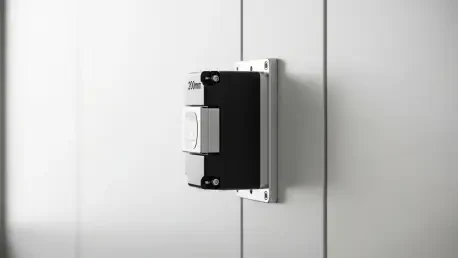
The physical design of the hardware further enhances operational efficiency by simplifying the installation process and reducing the need for additional external components. Both the AT##00 and ATH600 feature built-in electromagnetic compatibility filtering and integrated motor thermal protection, which removes the necessity for bulky external filters and specialized protection relays. This consolidation of features reduces wiring complexity and minimizes the potential for installation mistakes that could lead to electrical noise or motor damage. Furthermore, the compact 200-millimeter cabinet size allows these drives to fit into space-constrained plant rooms or small outdoor enclosures where every inch of floor space is valuable. By reducing the physical footprint and the bill of materials for each installation, Schneider Electric has created a solution that is as easy to install as it is to operate. This efficiency extends to the long-term maintenance of the system, as fewer external parts mean fewer points of failure and a more straightforward troubleshooting process.
Safeguarding Assets: Cybersecurity and Environmental Stewardship
As building automation systems become increasingly connected to cloud-based monitoring tools, the risk of digital intrusion has become a primary concern for facility directors worldwide. In response to this evolving threat landscape, the Altivar drive family incorporates robust cybersecurity features as a fundamental part of its architecture rather than as an optional add-on. The drives are certified to the IEC 62443-4-2 Security Level 1 standard, which provides a recognized framework for protecting industrial automation and control systems from unauthorized access. This includes secure firmware integrity checks that prevent the execution of malicious code and the ability to perform secure firmware upgrades to patch emerging vulnerabilities. For mission-critical sectors such as healthcare and telecommunications, this level of protection is essential for maintaining the integrity of the network and preventing disruptions that could be caused by cyberattacks targeting the physical infrastructure of a building.
Beyond digital security, the Altivar family is designed with a forward-looking perspective on environmental stewardship and the global transition toward more sustainable cooling technologies. The drives are manufactured using responsibly sourced materials that comply with REACH and RoHS standards, ensuring that their production has a minimal impact on the planet and supports corporate social responsibility goals. Crucially, these drives are ready for the industry-wide shift toward low-global warming potential refrigerants, featuring A2L certification and A3 readiness for units up to 25 horsepower. This compatibility ensures that the hardware can be used with the latest generation of eco-friendly chillers and heat pumps, preventing equipment from becoming obsolete as environmental regulations tighten. Through the inclusion of firmware upgradeability, the manufacturer has created a future-proof solution that can adapt to changing energy standards without requiring hardware replacement, thereby reducing electronic waste and supporting a circular economy.
Future Considerations: Actionable Steps for Implementation
The introduction of the AT##00 and ATH600 drives provided a clear roadmap for organizations looking to modernize their infrastructure while adhering to the highest standards of efficiency and security. Decision-makers evaluated these solutions based on their ability to integrate into existing building management systems while simultaneously preparing for upcoming refrigerant mandates. Engineering teams focused on the immediate benefits of reduced commissioning times and the long-term advantages of built-in thermal protection to safeguard their investments. By prioritizing hardware that met the IEC 62443 security standards, facility managers successfully mitigated the risks associated with increased connectivity in industrial environments. The move toward these high-efficiency drives represented a strategic shift away from reactive maintenance toward a proactive, data-driven approach to facility management. Ultimately, the adoption of such integrated technology ensured that commercial and mission-critical buildings remained resilient, compliant, and cost-effective in an increasingly demanding global market.