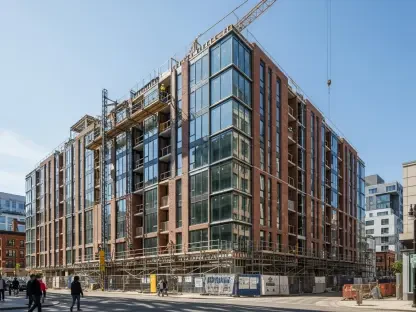

The glass skyscrapers and sealed environments that define modern urban skylines are increasingly becoming liabilities in a world where historical temperature patterns no longer provide a reliable roadmap for structural safety. For decades, the construction industry relied on climate data that predicted moderate fluctuations, but the reality of the late 2020s demands a complete reassessment of how these massive investments will handle the 2030s and 2040s. These buildings, often praised for their aesthetic sleekness, are fundamentally ill-equipped for the extreme thermal loads and torrential rainfall that have now become regular occurrences rather than once-in-a-century anomalies. The persistent focus on sealed, lightweight envelopes has created a precarious dependence on mechanical stability, leaving occupants vulnerable if the underlying energy infrastructure fails. As environmental volatility increases, the architectural standard must shift from merely providing shelter to ensuring long-term survivability in an era of unpredictable change.
The Growing Disconnect: Why Design Trends Fail Physical Reality
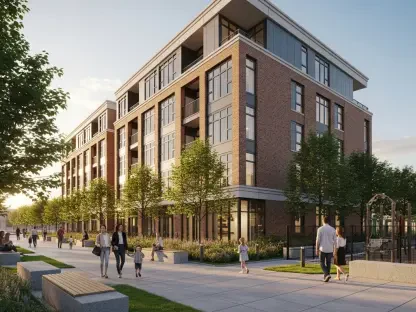
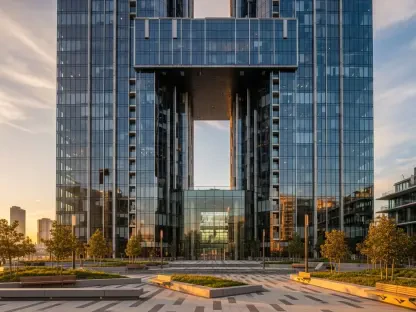
The prevailing trend of high-rise glass structures and hermetically sealed facades represents a dangerous mismatch between contemporary aesthetics and the escalating physical realities of global warming. Historically, building codes and government policies focused almost exclusively on retaining heat during winter months, but the rising frequency of intense heatwaves has made effective cooling an equally vital priority for public safety. While older, heavy-set stone or brick buildings naturally regulate temperature through thermal mass, modern lightweight constructions heat up rapidly when external temperatures spike. This thermal instability is exacerbated by the widespread use of floor-to-ceiling windows, which act like greenhouses, trapping solar radiation and forcing HVAC systems to work at maximum capacity just to maintain habitability. Consequently, the very features that define luxury and modernity today are the same elements that could render these spaces unusable as the climate continues to shift toward more extreme and sustained thermal peaks over the coming decades.
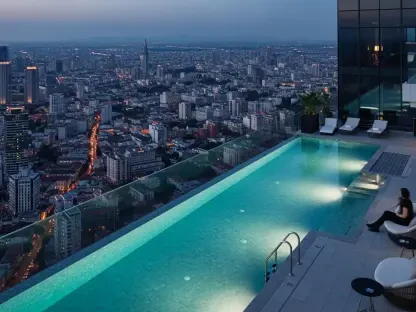
Reliance on complex mechanical systems for ventilation and temperature control introduces a significant point of failure that is often overlooked during the initial planning phases of large-scale developments. In the event of a power outage or a grid failure during a climate crisis, these modern environments lose their habitability within hours, whereas traditional designs with natural airflow remain functional for much longer. This vulnerability is particularly concerning for critical public infrastructure such as hospitals and schools, where restricted natural ventilation not only complicates temperature management but also increases the risk of airborne pathogen transmission. Research into past health crises, including respiratory infection clusters in Scotland, demonstrated that buildings utilizing natural ventilation patterns were significantly more resilient than those relying on recirculating mechanical air. The transition toward sealed environments was intended to improve energy efficiency, yet it inadvertently created a fragile ecosystem that cannot survive without a constant, high-energy input from an increasingly stressed power grid.
The Resilient Pivot: Strategies for Sustainable Habitability
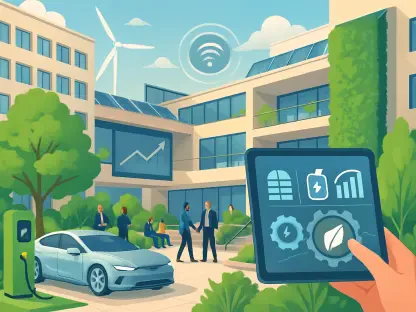
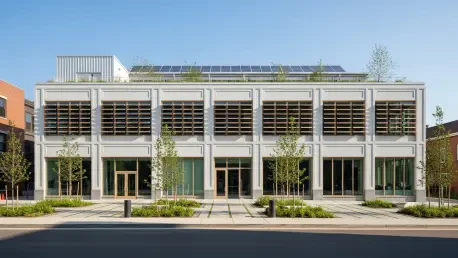
To address these systemic weaknesses, the global construction industry initiated a pivot toward mixed-mode designs that prioritized natural ventilation and strategic shading to reduce total energy demand. Engineering firms began integrating local solar energy systems directly into building envelopes, ensuring that essential cooling and filtration functions remained operational even during broader municipal power disruptions. Developers abandoned the reliance on purely mechanical solutions in favor of thicker walls and high-albedo materials that naturally reflected solar radiation rather than absorbing it. Urban planners also prioritized the restoration of natural airflow corridors between structures to combat the urban heat island effect that intensified during the late 2020s. These changes shifted the focus from short-term aesthetic appeal to long-term habitability and structural resilience. By adopting low-impact, adaptable designs, architects provided a framework for buildings to remain functional under the harsh environmental conditions of the mid-21st century. This evolution in thought proved that structural safety required a fundamental departure from the energy-intensive, closed systems of the past.
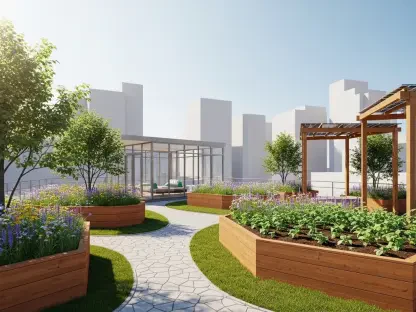
The transition toward climate-safe architecture necessitated a complete overhaul of building materials and a return to passive cooling techniques that utilized the natural environment rather than fighting against it. Professional organizations established new benchmarks for thermal inertia, ensuring that new residential and commercial structures could withstand prolonged power losses without exceeding safe internal temperature limits. Local governments incentivized the installation of external shutters and green roofs to provide additional layers of insulation and flood mitigation. Furthermore, the integration of modular, decentralized energy grids allowed individual buildings to function as self-sustaining units during environmental emergencies. These actions moved the industry toward a model where durability and human health were prioritized over transparency and high-tech appearances. Ultimately, the shift to resilient architecture ensured that the built environment could evolve alongside a changing planet, protecting populations from the increasingly volatile climate conditions that had once threatened to make modern cities uninhabitable.