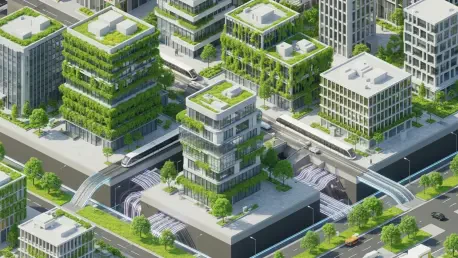

The rapid convergence of machine learning and physical architecture has shifted from speculative experimentation to an essential framework for modern urban development. As urban populations continue to expand, the demand for smarter, more efficient structures has transformed artificial intelligence into a central pillar of the construction and real estate sectors. This technological shift is no longer confined to digital dashboards or isolated software applications but has become deeply embedded in the physical fabric of our cities. Developers and engineers now utilize sophisticated algorithms to navigate the complexities of resource management, structural integrity, and occupant comfort in ways that were previously impossible. This evolution reflects a broader trend where data-driven insights dictate the lifecycle of a building, from its initial conceptual design to its eventual decommissioning. By leveraging these advanced tools, the industry is addressing the urgent need for scalability while maintaining high standards of safety and sustainability.
Economic and Market Evolution
Exponential Market Growth and Financial Value
The financial landscape of the built environment is undergoing a massive realignment as AI-driven solutions become the primary driver of capital investment. In 2026, the market for intelligent building technologies has already surpassed early projections, reaching a valuation that reflects deep integration across global real estate portfolios. Investors are increasingly viewing AI not as an optional add-on but as a necessary component for risk mitigation and value creation. This surge in market value is supported by the tangible returns observed in commercial properties that utilize automated leasing assistants and intelligent occupancy tracking. These systems allow property managers to optimize square footage and lease terms with unprecedented precision. The shift toward data-centric asset management has encouraged institutional investors to prioritize smart-ready developments, which command higher premiums and lower vacancy rates. Consequently, the economic narrative of the industry has moved toward long-term resilience and profitability through digital transformation.
Industry leaders emphasize that the current trajectory of AI adoption is fueled by a proven track record of reducing operational overhead while increasing the marketability of assets. High-profile firms are now allocating significant portions of their research and development budgets to the integration of proprietary AI models tailored for construction logistics. This commitment ensures that project timelines are met with greater consistency, reducing the costly delays that have historically plagued large-scale infrastructure projects. Furthermore, the ability of AI to analyze vast datasets regarding market trends and tenant preferences enables developers to design buildings that are perfectly aligned with current demand. This alignment minimizes the risk of underutilization and maximizes the return on investment for stakeholders. As these technologies mature, the gap between traditional real estate practices and AI-enhanced management continues to widen, creating a competitive environment where digital literacy is the most valuable currency for success.
Cost Reductions and Scalable Infrastructure
One of the most significant factors contributing to the democratization of AI in the built environment is the dramatic reduction in the cost of data storage and processing. In recent years, the expense associated with maintaining the high-performance computing power required for complex structural simulations has plummeted, making advanced tools accessible to smaller firms. This newfound affordability allows boutique architectural practices to compete with global conglomerates by utilizing generative design software that optimizes material usage. By reducing the physical waste generated during the construction phase, these AI tools directly contribute to lower project costs while simultaneously meeting stringent environmental regulations. The scalability of these solutions means that even modest residential developments can benefit from the same level of analytical depth previously reserved for flagship skyscrapers. This shift has leveled the playing field, fostering innovation across all segments of the housing and commercial markets.
Beyond material costs, the implementation of AI-driven logistics and supply chain management has streamlined the procurement of essential building components. Automated systems now predict potential shortages or price fluctuations in raw materials, allowing project managers to secure supplies at optimal times. This proactive approach to procurement minimizes the financial impact of global supply chain volatility and ensures that construction crews remain productive. Additionally, the use of robotic process automation for administrative tasks within the construction sector has reduced the labor hours required for compliance and reporting. By automating these repetitive workflows, companies can redirect human talent toward creative problem-solving and complex engineering challenges. The integration of these digital tools into the daily operations of construction sites has created a more robust and responsive infrastructure capable of adapting to the rapid changes of the current market. This systematic improvement in efficiency is a cornerstone of the modern built environment.
Sustainable and Operational Advancements
Environmental Impact and Energy Efficiency
The intersection of artificial intelligence and environmental sustainability has become a focal point for modern urban planning initiatives. AI-driven retrofitting strategies have demonstrated an extraordinary capacity to lower energy consumption by up to thirty percent in existing commercial structures. These improvements are achieved through the deployment of autonomous HVAC systems that learn from occupant behavior and external weather patterns to optimize thermal regulation. Unlike traditional programmed thermostats, these intelligent systems make real-time adjustments that eliminate unnecessary energy expenditure without compromising comfort. The environmental benefits of such efficiency are profound, as the built environment is responsible for a significant portion of global carbon emissions. By utilizing machine learning to fine-tune energy use, property owners can achieve carbon neutrality goals more rapidly than through structural renovations alone. This capability has turned AI into an indispensable tool for meeting the rigorous climate targets.
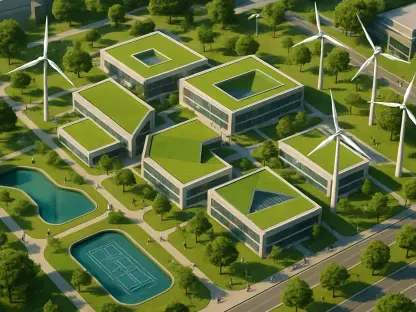
Generative design tools are also playing a crucial role in reducing the ecological footprint of new construction projects by optimizing building orientation and shape. Architects now use AI to simulate wind patterns and solar exposure, allowing them to design facades that naturally regulate temperature and maximize daylight. This passive design strategy reduces the reliance on mechanical heating and cooling systems, further lowering the operational carbon footprint of the building throughout its lifespan. Moreover, AI algorithms can analyze the lifecycle impact of different building materials, guiding designers toward more sustainable choices such as cross-laminated timber or recycled steel. The ability to calculate the environmental cost of a project before a single brick is laid empowers developers to make more responsible decisions. This holistic approach to sustainability ensures that the buildings of the present are not only technologically advanced but also environmentally resilient. The synergy between digital intelligence and green building practices is redefining the standard for modern architecture.
Predictive Maintenance and Asset Longevity
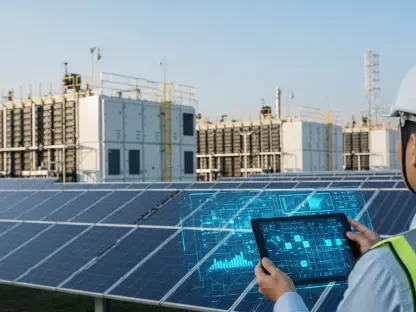
Predictive diagnostics and AI-powered monitoring systems have revolutionized the way property managers approach the maintenance and longevity of physical assets. By embedding sensors throughout a building’s infrastructure, operators can gather continuous data on the health of mechanical, electrical, and plumbing systems. AI algorithms analyze this data to identify subtle anomalies that may indicate an impending failure, allowing for repairs to be conducted before a critical breakdown occurs. This transition from reactive to proactive maintenance significantly extends the operational lifespan of expensive equipment and reduces the frequency of costly emergency repairs. Furthermore, these systems provide a detailed digital record of an asset’s performance, which is invaluable during property valuations or sales. The transparency provided by real-time data builds trust between owners and tenants, as it ensures that the building remains safe and functional. This strategic approach to asset management represents a fundamental shift in industry perception.
The integration of agentic AI systems has further enhanced the capabilities of building staff by providing them with actionable insights and automated fault detection. These advanced systems do not replace human operators but rather serve as high-level supervisors that handle the complex data analysis required for modern facility management. For example, when an AI detects a drop in efficiency within a cooling tower, it can automatically generate a work order and suggest the specific parts needed for the repair. This seamless coordination between machine intelligence and human expertise ensures that buildings operate at peak performance at all times. By reducing the cognitive load on maintenance teams, AI allows professionals to focus on strategic upgrades and long-term asset planning. This collaborative paradigm has resulted in a more resilient built environment where technical issues are addressed with surgical precision. The cumulative effect of these advancements is a significant increase in the overall reliability and value of urban infrastructure.
Strategic Future Considerations
To capitalize on the progress made in AI integration, the industry focused on establishing robust interoperability standards to ensure seamless data exchange between disparate systems. Stakeholders recognized that the true value of artificial intelligence lay in its ability to connect different stages of the building lifecycle, which required a unified approach to data architecture. Priority was given to the development of responsible AI principles that addressed concerns regarding data privacy and algorithmic transparency. Organizations that invested in comprehensive training programs for their workforces saw the highest levels of productivity, as employees became proficient in leveraging agentic tools for complex decision-making. These initiatives laid the groundwork for a more collaborative and data-literate professional environment. By fostering a culture of continuous learning and technological adaptation, the sector moved toward a future where efficiency and sustainability were no longer competing interests. The successful implementation of these strategies served as a model for other industries seeking to navigate the complexities of digital transformation.