
The rapid integration of sophisticated digital tools into the traditional Canadian real estate sector has fundamentally altered how developers approach urban growth and infrastructure planning across the nation. This movement, widely known as Property Technology or Proptech, has successfully transitioned from a peripheral technological trend into a non-negotiable strategic pillar for industry leaders aiming to remain viable in a high-interest environment. Modern developers no longer view digital adoption as an optional luxury but rather as the essential “foundation beneath the foundation” that supports every phase of the project lifecycle. By moving away from legacy methodologies and embracing a digitally integrated future, the Canadian market is addressing critical inefficiencies that have long hindered the delivery of new housing units. This shift represents more than just a modernization of tools; it is a profound reimagining of how physical space is conceived, constructed, and managed in an era defined by data.
The Evolution of the Canadian Proptech Ecosystem
Canada has rapidly solidified its reputation as a premier global destination for property innovation, with major metropolitan centers like Toronto, Vancouver, and Montreal emerging as significant technology hubs. These urban regions are currently home to a burgeoning ecosystem of Proptech startups and scale-ups that are actively digitizing workflows that had remained largely stagnant for several decades. The growth of this sector is fueled by substantial year-over-year venture capital investments and proactive provincial programs that incentivize the use of advanced construction technologies. Consequently, the traditional boundaries between real estate firms and technology companies are becoming increasingly blurred as developers hire data scientists alongside architects. This collaborative environment ensures that the Canadian market stays at the forefront of international trends, allowing for a more resilient property sector that can pivot quickly in response to shifting economic conditions.
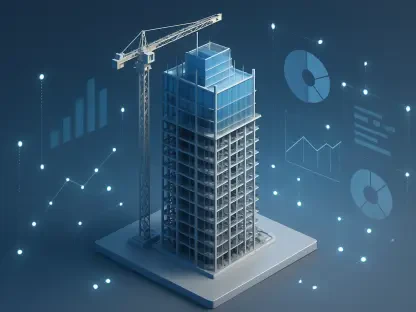
The establishment of these technological clusters has facilitated a shift toward a more collaborative and standardized data environment, which is crucial for large-scale urban development projects. For example, the adoption of cloud-based project management platforms has replaced fragmented communication styles, ensuring that all stakeholders from contractors to investors are working from a single version of the truth. This increased transparency helps to mitigate the risks associated with cost overruns and scheduling delays, which have historically plagued the Canadian construction industry. Furthermore, the rise of the domestic Proptech scene provides local developers with solutions tailored specifically to the unique geographical and climate challenges of the North. By leveraging these locally developed tools, firms are able to optimize their supply chains and reduce waste, creating a more sustainable economic model that benefits both the developers and the end-users who occupy these modern spaces.
Optimizing Feasibility and Approval Timelines
The early stages of real estate development have been transformed by the application of artificial intelligence and machine learning to the process of site selection and feasibility analysis. Instead of relying on manual surveys and historical intuition, developers now utilize powerful platforms capable of processing millions of data points, including transit proximity, local zoning nuances, and demographic shifts. This scientific approach allows firms to generate real-time feasibility assessments that highlight the most profitable and community-appropriate uses for a specific plot of land. By identifying overlooked opportunities in high-demand markets, AI-driven analytics provide a significant competitive advantage while simultaneously reducing the financial risks associated with large-scale land acquisitions. This precision in the planning phase ensures that capital is deployed more effectively, ultimately leading to more successful and sustainable urban developments that meet actual demand.
Beyond the initial planning phases, Proptech is playing a critical role in addressing the “approval bottleneck” that has traditionally delayed Canadian housing projects for years at a time. Digital permitting platforms are now being adopted by municipalities to streamline the interaction between private developers and government regulatory bodies. By moving the entire application and tracking process to a centralized online system, cities are reducing administrative friction and providing much-needed transparency regarding the status of various permits. This transition allows for significantly faster construction starts and lower carrying costs for developers, which is an essential component of solving the national housing affordability crisis. As these digital systems become more sophisticated, the time saved during the regulatory phase can be redirected toward actual building activities, helping to bridge the gap between the current housing supply and the needs of a growing urban population.
Intelligent Asset Management and Sustainability
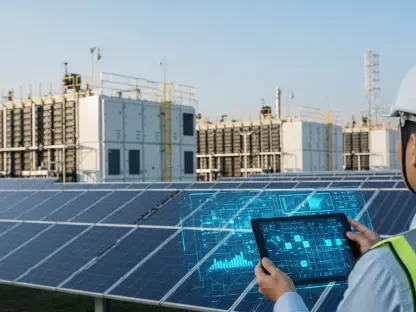
Modern Canadian buildings are increasingly being constructed with integrated intelligence that extends well beyond the initial completion of the physical structure. The deployment of the Internet of Things (IoT) and AI-driven predictive maintenance systems has become the new industry standard for managing high-value real estate assets. These technologies allow property managers to monitor building performance in real time, identifying potential mechanical failures or inefficiencies before they escalate into costly repairs. By automating energy management and optimizing climate control systems, smart buildings significantly reduce their overall carbon footprint while lowering monthly operating expenses. This level of operational efficiency is particularly valuable in the current competitive rental market, where tenants are increasingly seeking out properties that offer both high-tech amenities and a commitment to environmental responsibility and modern living standards.
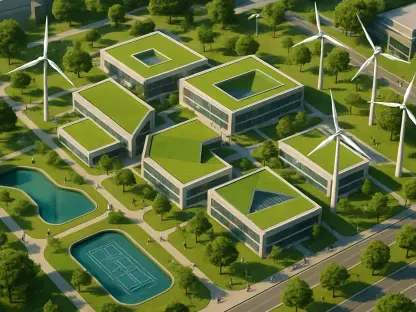
These advancements in building technology also align closely with the broader environmental, social, and governance goals that are now a priority for institutional investors and government agencies. Because smart buildings are inherently more energy-efficient, developers can more easily comply with strict environmental mandates and qualify for green financing incentives. The data collected from these intelligent systems provides a clear audit trail of a building’s performance, which is essential for transparent reporting and long-term value preservation. By protecting the physical integrity of the asset through predictive analytics, owners ensure that their buildings remain profitable and functional for decades rather than years. This long-term focus on sustainability and efficiency not only benefits the environment but also provides a more stable and attractive investment vehicle for those looking to participate in the evolving Canadian real estate landscape through 2028.
Synergizing Human Expertise with Algorithmic Precision
While the move toward total digital integration is accelerating, the most effective development strategies continue to recognize the irreplaceable value of the human element in the real estate sector. Proptech serves as a powerful multiplier for human expertise, allowing professionals to focus on high-level strategy and community engagement rather than getting bogged down in manual data entry. Successful developers understood that while an algorithm can identify a site, it cannot navigate the complex nuances of community trust or the interpersonal negotiations required to secure a partnership. The industry is currently moving toward a “human-led and tech-empowered” model where data informs decisions, but human judgment remains the final arbiter of quality and community impact. This balance ensures that the efficiency gained through automation does not come at the expense of the cultural and social value that well-planned developments provide to their neighborhoods.
The forward-looking approach to Canadian real estate development involved a decisive commitment to integrating steel and software as a unified discipline. Developers who prioritized building a robust data infrastructure and adopting modernized workflows positioned themselves as the clear leaders in a rapidly changing market. To maintain this momentum, industry participants should focus on upskilling their workforce to manage digital twins and AI-driven platforms while fostering strong relationships with municipal partners to further accelerate digital permitting. The transition was not merely about purchasing new software, but about cultivating a culture of innovation that viewed every challenge as an opportunity for technological optimization. As the industry progressed through the mid-2020s, the focus shifted toward creating a more responsive and resilient housing market. This transformation ensured that the built environment could finally keep pace with the demographic and economic realities of a modern, tech-driven Canadian society.