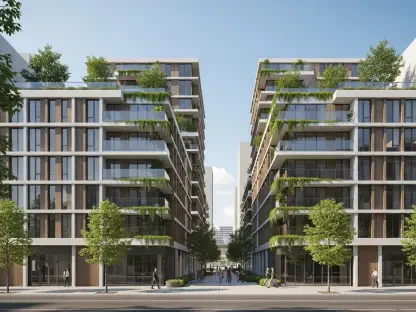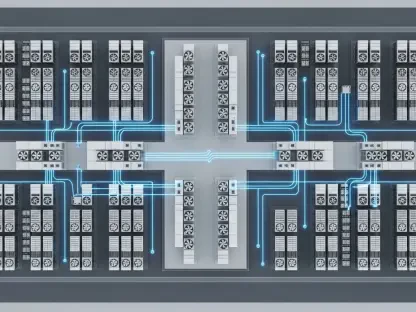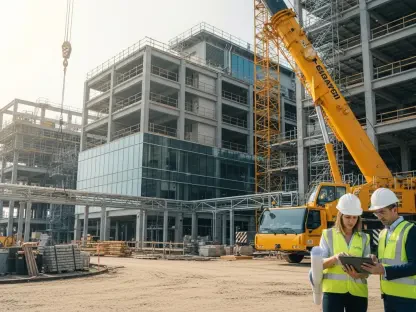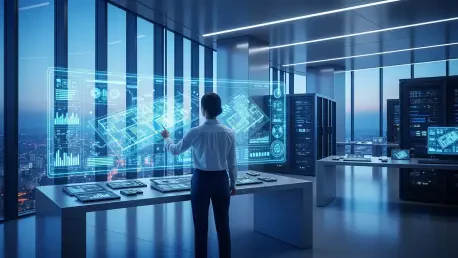

Modern architectural landscapes are undergoing a profound transformation as static structures evolve into highly intelligent, autonomous environments capable of anticipating human needs. This shift is driven by a surge in the building automation systems market, which has seen its valuation climb toward an impressive $181 billion projection by the end of the decade. As of 2026, the industry is moving well beyond simple programmable thermostats and timed lighting, instead favoring deeply integrated ecosystems that utilize the Internet of Things and advanced connectivity. In major economic hubs like the United States and China, the deployment of these systems is no longer viewed as a luxury but as a fundamental requirement for operational efficiency. The integration of real-time data allows for a level of precision in facility management that was previously unattainable, reducing the margin for human error while simultaneously cutting overhead costs in a competitive global economy.
Technological Integration: The Rise of Cognitive Infrastructure
Artificial Intelligence: Driving Efficiency Through Machine Learning
The implementation of artificial intelligence within building management frameworks has revolutionized how facilities handle energy distribution and climate control. By utilizing sophisticated machine learning algorithms, these systems analyze vast quantities of data from occupancy sensors and external weather feeds to adjust internal conditions dynamically. For instance, when a large conference room is scheduled for use, the automation system pre-cools the space based on the expected number of participants and current humidity levels, ensuring comfort while preventing energy spikes. This proactive approach allows organizations to move away from reactive maintenance and toward a model of continuous optimization. Major players like ABB and Beckhoff Automation are currently leading this charge, developing software platforms that can learn from historical usage patterns to predict future requirements, thereby significantly reducing the carbon footprint of commercial and industrial assets.
Internet of Things: Connecting Sensors for Predictive Operations
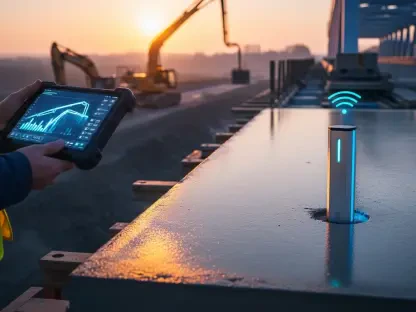
Beyond simple automation, the proliferation of Internet of Things (IoT) devices has created a granular network of awareness throughout the modern built environment. High-fidelity sensors now monitor everything from indoor air quality and CO2 levels to the vibrational signatures of HVAC motors and elevator pulleys. This constant stream of telemetry data enables facility managers to adopt predictive maintenance strategies, identifying potential mechanical failures before they result in costly downtime or safety hazards. In large-scale institutional settings, this connectivity ensures that safety protocols, such as fire suppression and emergency lighting, are always in a state of readiness. As hardware costs continue to decrease, the barrier to entry for smart technology is lowering, allowing smaller enterprises to leverage the same high-tier analytical tools that were once reserved for premium skyscraper developments, thus democratizing the benefits of building intelligence.
Regulatory Standards: Setting a New Baseline for Performance
Environmental Compliance: Meeting Modern Sustainability Targets
Strict government regulations and the global push for green building certifications, such as LEED and BREEAM, are acting as powerful catalysts for market expansion. Building owners are now legally and financially incentivized to adopt automation solutions that provide transparent, auditable reports on energy consumption and emissions. These mandates are particularly influential in urban centers where local laws require existing structures to undergo significant retrofitting to meet updated environmental benchmarks. By installing centralized control systems, property managers can easily demonstrate compliance with energy-efficiency standards, which in turn enhances the market value of the real estate. This regulatory pressure, combined with the rising cost of utilities, has shifted the conversation from the initial investment cost of automation to the long-term ROI provided by waste reduction and the preservation of vital resources.
Occupant Well-being: Prioritizing Health and Productivity
Recent advancements in building automation have placed a renewed focus on the health and productivity of the individuals working and living within these spaces. Modern systems now incorporate sophisticated air filtration and circulation controls that respond to real-time air quality metrics, ensuring that pollutants and pathogens are effectively managed. Research has shown that maintaining optimal lighting levels and thermal comfort directly correlates with higher employee performance and lower absenteeism, prompting companies like Crestron and Control4 to design interfaces that prioritize the user experience. Moving forward, the industry successfully transitioned toward a holistic management philosophy that balanced environmental responsibility with human-centric design. Industry leaders determined that the most effective strategy involved a phased integration of modular hardware, allowing for scalability as technology continued to advance and user requirements became more complex.