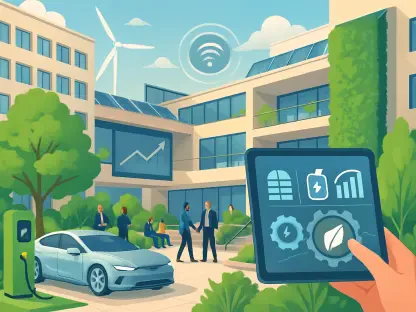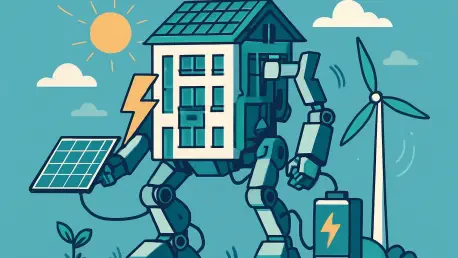

Imagine a world where buildings power themselves, not through sprawling electrical grids or endless battery replacements, but by tapping into the very environment around them—light streaming through windows, heat radiating from walls, or even the subtle vibrations of daily activity. This isn’t a distant dream but a present-day revolution driven by energy harvesting technology, which is fundamentally reshaping building automation. By converting ambient energy into usable electrical power, these systems are fueling self-sustaining, battery-free sensors and devices that manage everything from HVAC systems to intelligent lighting and security protocols. The impact is profound, cutting down on energy waste, slashing maintenance costs, and pushing buildings toward true sustainability. As smart infrastructure becomes the norm in both commercial and residential spaces, energy harvesting stands at the forefront, promising a future where efficiency and eco-friendliness go hand in hand. This transformation is not just technological—it’s a cultural shift toward greener, smarter living spaces.
The Push for a Greener Built Environment
The urgency to combat climate change has placed sustainability at the heart of modern building design, and energy harvesting is emerging as a linchpin in this mission. With global initiatives aiming for net-zero emissions, developers and facility managers face mounting pressure to reduce carbon footprints. Energy harvesting answers this call by powering automation systems without relying on disposable batteries or constant grid energy. This technology captures ambient sources like sunlight or thermal gradients, enabling sensors to operate indefinitely without maintenance. Beyond the environmental win of curbing electronic waste, it aligns seamlessly with green building certifications that are increasingly non-negotiable in the industry. The result is a compelling case for adoption: buildings that not only save energy but also contribute to broader ecological goals, setting a new standard for what it means to construct responsibly in an era of environmental accountability.
Moreover, the financial incentives tied to sustainability cannot be overlooked as a driving force for energy harvesting in building automation. Reducing the need for battery replacements translates directly into lower operational costs, a significant advantage for property owners managing sprawling sensor networks. Additionally, many governments and regional bodies offer tax breaks or subsidies for integrating energy-efficient technologies, sweetening the deal. This economic angle dovetails with the environmental benefits, creating a dual appeal that’s hard to ignore. As more stakeholders recognize that sustainable practices can also bolster the bottom line, the momentum behind energy harvesting grows. It’s a shift that’s reshaping priorities, proving that eco-conscious decisions can be practical and profitable. This synergy between cost savings and green mandates is accelerating the technology’s integration into both new constructions and retrofitted structures, marking a turning point for the industry.
Smart Buildings and the IoT Revolution
The rise of smart buildings, underpinned by the Internet of Things (IoT), has created a perfect storm for energy harvesting to thrive. As IoT platforms multiply, connecting everything from lighting controls to security cameras, the demand for self-powered solutions has surged. Energy harvesting fits this need impeccably, supplying electricity to wireless sensors via protocols like Zigbee or LoRaWAN without the hassle of wired setups or battery swaps. This capability is crucial in enabling real-time data collection, which in turn drives smarter decision-making for building operations. Think of occupancy sensors adjusting HVAC settings on the fly or lighting systems dimming when rooms are empty—these are the tangible outcomes of marrying IoT with self-sustaining power. It’s a partnership that’s not just enhancing efficiency but also redefining how buildings interact with their occupants.
Beyond immediate functionality, the integration of energy harvesting with IoT is laying the groundwork for predictive maintenance, a game-changer in building management. Sensors powered by ambient energy can continuously monitor equipment health, flagging potential issues before they escalate into costly failures. This proactive approach minimizes downtime and extends the lifespan of critical systems, offering peace of mind to facility managers. Furthermore, it supports a broader trend toward automation where connectivity isn’t just a luxury but a baseline expectation. As more buildings adopt these intelligent frameworks, the reliance on self-powered technologies becomes indispensable. Energy harvesting isn’t merely keeping pace with this digital shift; it’s amplifying it, ensuring that smart infrastructure remains both cutting-edge and sustainable. The ripple effect is a built environment that’s more responsive and resilient than ever before.
Innovation as the Engine of Change
At the core of energy harvesting’s impact on building automation lies a wave of technological innovation that’s pushing boundaries. Breakthroughs in materials—think advanced photovoltaic films and thermoelectric modules—are making these systems more efficient at capturing ambient energy. Paired with ultra-low-power electronics, they can now support a wider array of applications, from access control units to environmental monitoring tools. This isn’t just about powering a single sensor; it’s about enabling entire ecosystems within a building to operate autonomously. The versatility of these advancements means that energy harvesting can be embedded into diverse components, transforming mundane elements like windows or doors into active contributors to a building’s energy profile. It’s a leap forward that’s expanding the scope of what automation can achieve.
Equally significant is the role of ongoing research and development in sustaining this momentum. Continuous investment in next-generation materials and energy storage solutions is unlocking new possibilities for self-powered systems. For instance, improvements in durability ensure these technologies can withstand the rigors of varied environments, from bustling office towers to industrial complexes. This relentless pursuit of better performance is critical, as it broadens the practical applications of energy harvesting, making it a viable option across different building types. Industry experts agree that such innovation isn’t a luxury but a necessity to keep up with evolving demands for efficiency and sustainability. As these technologies mature, they promise to integrate even more seamlessly into the fabric of modern infrastructure, driving a future where self-sufficiency in power isn’t just feasible but standard.
Economic Growth and Market Dynamics
The economic landscape for energy harvesting in building automation paints a picture of robust growth and untapped potential. Market forecasts predict a climb from USD 298.73 million currently to USD 590.98 million by 2033, driven by a compound annual growth rate that signals strong investor confidence. This expansion is largely fueled by escalating investments in smart buildings, where both new projects and retrofits prioritize automation to optimize energy use. The appeal lies in the technology’s ability to eliminate the recurring expense of battery replacements, offering a maintenance-free alternative that resonates with cost-conscious businesses. It’s a financial argument that’s gaining traction, as property managers and developers see the long-term savings stack up against initial installation costs, reinforcing the case for widespread adoption.
In parallel, the operational efficiencies brought by energy harvesting are reshaping economic priorities within the sector. Self-powered sensors streamline building management by reducing downtime and enhancing system reliability—key factors in maintaining competitive edge. This is particularly impactful in commercial settings where every minute of operational disruption can translate to significant losses. Additionally, as energy costs continue to rise globally, the shift to ambient power sources offers a buffer against fluctuating expenses. The technology’s role in cutting operational overheads while supporting sustainability goals creates a compelling narrative for stakeholders. It’s clear that the market isn’t just growing; it’s evolving into a cornerstone of economic strategy for the building industry, where fiscal prudence and environmental responsibility are no longer at odds but are instead mutually reinforcing.
Global Adoption and Regional Nuances
Across the globe, the adoption of energy harvesting in building automation reveals a mosaic of progress and opportunity. North America and Europe currently lead the charge, thanks to stringent regulations promoting energy efficiency and a mature market for smart technologies. Europe, in particular, stands out with its aggressive directives and incentives that encourage the integration of sustainable systems into infrastructure. This policy-driven momentum has made the region a testing ground for cutting-edge applications, from self-powered lighting in office buildings to sensor-driven HVAC in public facilities. The cultural emphasis on reducing environmental impact further amplifies this trend, positioning Europe as a beacon for how regulatory frameworks can accelerate technological uptake in the built environment.
Contrastingly, the Asia-Pacific region is carving out its own path as the fastest-growing market for energy harvesting technologies. Rapid urbanization and ambitious smart city initiatives in nations like China and India are creating a hotbed of demand for automation solutions. With massive infrastructure projects underway and populations swelling, the need for efficient, scalable power alternatives is urgent. Energy harvesting fits this niche perfectly, offering a way to support sprawling sensor networks without the logistical burden of traditional power sources. This regional disparity—between the established markets of the West and the burgeoning opportunities in the East—highlights a global story of varied pace but shared direction. As these areas continue to develop, they present a wealth of potential for industry players to tailor solutions to unique local needs, driving innovation on a worldwide scale.
Envisioning a Self-Powered Future
Looking ahead, the trajectory of energy harvesting in building automation points to a landscape where self-powered systems are not just common but essential. The growing focus on predictive maintenance, enabled by sensors that never need a battery change, is set to redefine how buildings are managed. These tools can foresee equipment failures, optimize energy use, and enhance occupant comfort—all without external power dependencies. This shift is poised to become a cornerstone of building design, especially as businesses seek cost-effective ways to meet efficiency targets. The promise of reduced operational hiccups and lower energy bills is a strong motivator, ensuring that energy harvesting remains at the forefront of automation strategies. It’s a vision of infrastructure that’s proactive rather than reactive, built on the back of technology that’s as ingenious as it is practical.
Furthermore, the horizon is bright with the potential for broader applications as innovations continue to unfold. Wireless building systems, bolstered by high-efficiency materials, are expected to integrate energy harvesting into unexpected corners of architecture—from residential fixtures to industrial machinery. This expansion isn’t just about scale; it’s about reimagining the very concept of a building as an energy-generating entity. As research pushes the limits of what’s possible, the technology will likely become more accessible, driving down costs and opening doors to smaller projects and markets. The implications are vast, suggesting a future where every structure, regardless of size or purpose, contributes to a sustainable ecosystem. This ongoing evolution serves as a reminder that the journey of energy harvesting is far from over—it’s an unfolding story of ingenuity shaping the spaces where life happens.