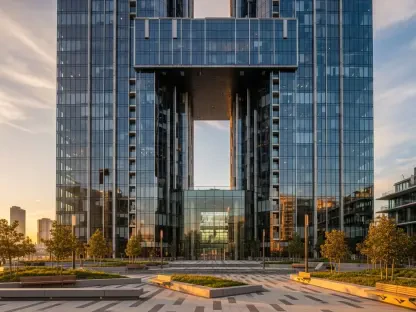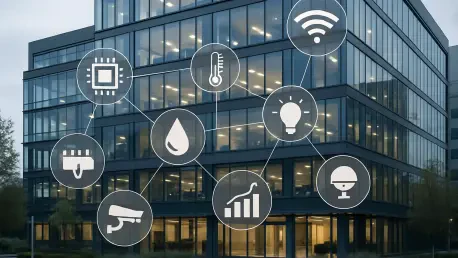

The challenge of managing energy consumption across a five-million-square-foot architectural marvel requires a rare combination of mechanical intuition and advanced digital literacy. David King, who serves as the Director of Energy Management for Oral Roberts University and the CityPlex Towers in Tulsa, Oklahoma, has effectively bridged this gap by adopting a persona known as the smart building cowboy. His responsibility encompasses a sprawling 300-acre campus and the iconic three-tower complex originally designed as a medical center in the late 1970s. When King assumed control of these operations, the facilities were notorious for their excessive utility consumption, functioning as an energy hog that drained financial resources through outdated infrastructure and inefficient management practices. This massive scale of operations presented a unique opportunity to demonstrate how traditional engineering principles, when augmented by the Internet of Things, can drastically alter the economic and environmental trajectory of a major institutional property.
Engineering a Digital Revolution in Legacy Systems
The initial hurdles facing the operations team involved a complex web of aging pneumatic controls and 320 air handling units that lacked centralized coordination or demand-based logic. In the early stages of the overhaul, King focused on fundamental mechanical improvements, such as the installation of variable frequency drives that allowed motors to adjust their speed based on actual requirements rather than running at full capacity indefinitely. This transition was not merely about swapping hardware but about creating a networked environment where high-speed cabling enabled real-time communication between previously isolated components. By moving away from constant-operation models, the facility began to see immediate reductions in natural gas, electricity, and water usage, proving that even the most massive legacy structures could be tamed with the right technical approach. This foundational work set the stage for a more sophisticated layer of digital integration that would eventually define the modern era of the campus.
To refine the control systems further, the team bypassed expensive, proprietary solutions from major industry conglomerates in favor of a more agile and open-source approach. By implementing the Mango platform from Radix IoT and utilizing the Tridium Niagara framework, King was able to synthesize vast amounts of data from various mechanical sources into a single, manageable interface. Today, the infrastructure is supported by a network of 15,500 sensors that monitor every critical metric from pressure and temperature to fluid flow rates. These sensors provide a granular view of the facility’s health, displayed on large electronic screens that allow engineers to visualize energy patterns and identify anomalies before they escalate into costly failures. This shift from reactive maintenance to data-driven proactive management transformed the internal culture of the facility, empowering the mechanical staff with the insights needed to maintain peak efficiency across the entire five-million-square-foot footprint.
Economic Resilience and Precision Resource Management
The financial validation of this technological shift is evident in the twenty million dollars saved over the last decade of operations at the Tulsa complex. By aggressively targeting peak electrical demand and reducing it from 6,500 kilowatts to 4,000 kilowatts, the department successfully lowered the steep demand charges that typically plague large-scale institutional budgets. These substantial savings were not simply returned to a general fund but were strategically reinvested back into the energy management department to support the salaries of highly skilled, licensed engineers. This self-sustaining financial model ensures that the facility has the human expertise necessary to manage its high-tech tools, creating a virtuous cycle where efficiency gains fund the next generation of operational excellence. The success of this strategy demonstrates that smart building technology is an investment in human capital as much as it is an investment in hardware, providing a clear blueprint for other large organizations.
Beyond the broad financial metrics, the application of what King calls cowboy logic led to highly specific and innovative conservation tactics that addressed hidden waste. One notable example involved the discovery that slightly increasing the ambient air temperature in dormitory shower rooms during the winter could significantly reduce the duration of hot showers taken by residents. By using sensors to quantify the correlation between room temperature and water usage, the team saved a massive volume of resources that would have otherwise been lost to behavioral inefficiencies. Furthermore, the implementation of a condensate harvesting system allowed the facility to capture 10,000 gallons of chilled water daily from air handlers, which was then repurposed for cooling towers. This creative engineering not only reduced the need for municipal water but also decreased the requirement for chemical treatments, as the harvested condensate lacked the mineral content of city water, further driving down operational costs and environmental impact.
Implementing Strategic Efficiency for Future Operations
The transformation of the CityPlex Towers and Oral Roberts University provided a definitive roadmap for facilities looking to modernize their energy profiles through disciplined stewardship. Strategic leaders recognized that the integration of smart sensors was not a replacement for mechanical expertise but rather a powerful diagnostic tool that enhanced the capabilities of the existing engineering staff. Organizations aiming to replicate these results prioritized the identification of silent leaks and phantom energy loads, utilizing automated monitoring to catch issues during low-occupancy hours. By focusing on demand-based consumption and networking legacy hardware with flexible software platforms, management teams successfully turned historical energy liabilities into models of fiscal responsibility. The project underscored the importance of remaining adaptable, as the evolution of technology required a continuous willingness to adopt new methods to maintain a competitive and sustainable edge in building operations.
Successful facility managers moved toward a philosophy where data-driven insights informed every aspect of resource allocation and infrastructure investment. The shift from manual oversight to a comprehensive digital ecosystem allowed for the quantification of environmental impacts that were previously dismissed as anecdotal or untraceable. Moving forward, the industry trend favored the development of internal expertise, ensuring that the people operating the technology possessed a deep understanding of the mechanical systems they were monitoring. This balanced approach between high-tech software and hands-on engineering proved to be the most effective way to ensure long-term stability and cost control. As utility prices continued to fluctuate, the ability to harvest onsite resources like condensate and manage peak demand became a standard requirement for institutional survival. The legacy of this transformation was a commitment to constant optimization, where the hunt for energy waste became a permanent fixture of corporate and educational management.