
While many households have embraced the basic convenience of turning a lamp on and off with a voice command, the true power of the humble smart plug often remains hidden in plain sight. These small, inexpensive devices are far more than simple remote controls; they are the foundational building blocks of a truly automated and responsive home. By moving beyond their most obvious function, users can unlock a suite of sophisticated capabilities that enhance security, improve daily routines, increase safety, and generate tangible savings on utility bills. With a bit of strategic thinking, any conventional appliance can be transformed from a passive tool into an active participant in a smart home ecosystem, creating a living space that is not only more convenient but also more intelligent and secure. The true potential lies not in the plug itself, but in the creative automations it enables, turning everyday objects into powerful assets for a modern lifestyle.
A Proactive Approach to Home Security
One of the most compelling applications for smart plugs is the significant enhancement of home security through simple, automated deterrence. Connecting lamps and other light sources to these devices allows homeowners to create a convincing illusion of occupancy, a proven method for discouraging potential intruders. Instead of relying on a single light left on for days, a user can establish dynamic schedules that mimic natural patterns of activity. For instance, lights in the living area can be programmed to turn on in the evening, followed by bedroom lights later at night, and then cycle off. This same strategy can be extended to a home’s exterior, with smart plugs controlling porch lights or landscape illumination to ensure the property is consistently well-lit after dark. This creates an environment that appears active and monitored, making it a much less appealing target for burglary without the expense of a complex security system. This automated presence is a powerful first line of defense.
Beyond creating the appearance of an occupied home, smart plugs can be integrated into a more active and layered security strategy. A particularly innovative tactic involves connecting a garage door opener to a smart plug, providing the ability to completely cut power to the unit. During the night or while on vacation, disabling the opener renders stolen remotes or compromised digital keypads entirely useless, effectively “locking down” a common and vulnerable point of entry. Furthermore, these plugs can work in tandem with other smart devices to create a responsive security network. By linking a smart plug that controls a floodlight to a motion sensor, any detected movement in a sensitive area, like a backyard or driveway, can instantly trigger bright illumination. This sudden change not only startles a potential trespasser, drawing unwanted attention to their presence, but also serves as an immediate alert to the homeowner, transforming a passive monitoring system into an active deterrent.
Redefining Daily Convenience and Ambiance
Smart plugs can facilitate the creation of sophisticated, context-aware environments that go far beyond basic automation. By leveraging the advanced sensors in other smart devices, such as the ultrasonic occupancy sensor found in some smart speakers, it is possible to build a lighting system that responds to human presence with remarkable accuracy. Unlike traditional motion sensors, which can be falsely triggered by pets or even a strong breeze, occupancy sensors are designed specifically to detect people. This allows for the creation of routines where lights connected to a smart plug activate the moment someone enters a room and, just as importantly, deactivate after a set period of inactivity. This not only adds a touch of seamless convenience to daily life but also systematically eliminates energy waste from lights being left on in empty rooms. These automated routines can be customized with personalized greetings or specific lighting scenes, adapting the home’s ambiance to the occupants’ needs.
The foundational purpose of a smart plug is to imbue older, non-smart appliances with modern intelligence, and this capability is where its creative potential truly shines. A classic drip coffee maker, for example, can be prepped the night before and connected to a smart plug scheduled to turn on just minutes before its user’s morning alarm, ensuring a fresh pot of coffee is ready and waiting. The same principle applies to seasonal items like holiday lights or decorative string lights on a patio, which can be automated to turn on at sunset and off at a designated time each day without any manual intervention. Even crucial home infrastructure like a Wi-Fi router can benefit; a smart plug allows a user to perform a remote reboot by simply toggling the power from their phone—a common and effective troubleshooting step for network issues. For this specific use, a Bluetooth-enabled plug is ideal, as it remains controllable even when the Wi-Fi is down.
Optimizing for Safety and Financial Savings
A significant, though often overlooked, benefit of smart plugs is their capacity to dramatically increase safety around the home, particularly concerning appliances that generate high heat. The common anxiety of leaving a hot tool, such as a hair straightener, curling iron, or a soldering tool, turned on after leaving the house can be completely eliminated. By plugging these devices into a smart plug, users gain multiple layers of control and peace of mind. From any location with an internet connection, they can open an app on their smartphone to verify the plug’s status and, if a device was left on, deactivate it with a single tap. This remote-control functionality provides an essential safety net. For even greater assurance, schedules and automatic shut-off timers can be implemented, guaranteeing that the plug will cut power after a predetermined duration, such as 30 minutes, effectively preventing an accident before it can happen.
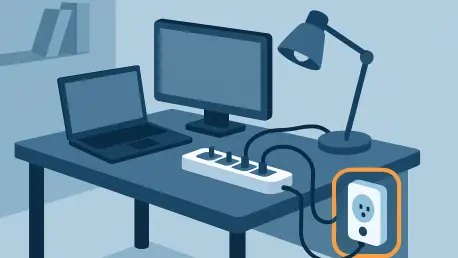
Smart plugs also serve as a powerful tool for managing household energy consumption and reducing utility costs by targeting “vampire power.” This phenomenon, also known as standby power, refers to the electricity consumed by electronics even when they are turned off. Devices like televisions, gaming consoles, and computer monitors can collectively draw a surprising amount of power in this passive state, silently adding to a home’s energy bill. By placing these electronics on a smart plug, it is possible to cut their power supply off completely when not in use, eradicating this wasteful energy drain. Many contemporary smart plugs include built-in energy monitoring features, which provide granular data on exactly how much electricity individual appliances are consuming. This empowers users to identify the most significant energy hogs in their home and make informed decisions, creating optimized schedules that balance convenience with maximum efficiency and lead to tangible financial savings over time.
The Integrated Home Ecosystem
Ultimately, the strategic deployment of these simple devices culminated in a fundamental shift in the home’s character. What was once a collection of disparate, manually operated appliances became a cohesive and intelligent ecosystem that responded proactively to the needs of its occupants. The true value was not found in any single trick, but in the cumulative effect of a dozen small automations working in concert. The home had learned to secure itself at night, to prepare for the morning routine, to conserve energy in empty rooms, and to ensure its own safety from forgotten appliances. This journey of integration demonstrated that a sophisticated smart home did not require a massive investment or complex overhaul; rather, it was built piece by piece, with each smart plug adding a new layer of responsiveness and efficiency, transforming the very definition of a modern living space.