
A new comprehensive analysis suggests the burgeoning smart building sector is confronting a significant paradox, as the widespread implementation of connected technologies is not translating into the measurable performance outcomes once promised. A recent sustainability report from the Royal Institution of Chartered Surveyors (RICS) reveals a worrying trend: demand for intelligent, sustainable properties is decelerating, with the proportion of professionals observing rising demand plummeting to just 30% from 41% in the preceding year. This slowdown points to a growing skepticism within the property sector, where the promise of efficiency, sustainability, and enhanced user experience is being overshadowed by a stark inability to prove its value. The core issue identified is a critical disconnect between investment in sophisticated systems—like IoT sensors and advanced building management platforms—and the delivery of tangible operational and financial benefits, creating a crisis of confidence that threatens to stall progress in creating a truly optimized built environment.
The Disconnect Between Investment and Return
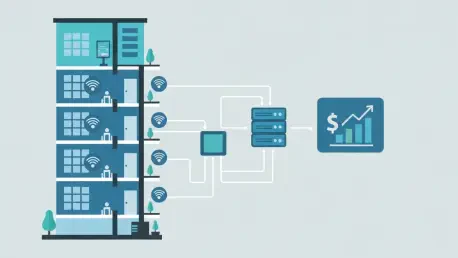
A primary driver of this market hesitation is the persistent and significant uncertainty surrounding the return on investment (ROI) for smart building technologies, a concern cited by a substantial portion of industry respondents. While high upfront costs remain a barrier, the more profound issue is the industry’s struggle to quantify the benefits derived from these substantial capital outlays. This uncertainty is not born from a failure of the technology itself, but from a systemic failure to capture, analyze, and act upon the vast streams of performance data that these systems generate. Without a clear data trail verifying improvements in energy consumption, operational efficiency, or occupant well-being, stakeholders are left unable to build a compelling business case. The report highlights this data gap starkly, noting that nearly half of construction professionals fail to measure embodied or operational carbon on their projects, effectively flying blind on one of the key metrics smart systems are designed to improve. This lack of measurement prevents the creation of a feedback loop where data could inform better design, optimize operations, and ultimately justify the initial investment.
Compounding Factors of Strategy and Skill
The challenge of demonstrating value is further compounded by a fundamental misalignment in priorities between different stakeholders and a critical shortage of expertise within the industry. Building occupiers consistently prioritize factors that directly impact their daily experience and operational costs, such as indoor environmental quality and energy efficiency. In contrast, investors often place greater emphasis on long-term asset value, focusing on certifications, regulatory compliance, and resilience. This divergence can lead to a scenario where sophisticated systems designed to optimize the occupant experience are underutilized or improperly managed after handover, as the owner’s focus may shift elsewhere. Magnifying this issue is a significant skills and knowledge gap pervading the sector. With a mere 17% of professionals believing the industry possesses adequate sustainability expertise and only 10% expressing high familiarity with crucial tools like whole-life carbon assessments, the human infrastructure needed to support the technology is lagging. Even the most advanced smart building is rendered ineffective if no one on the ground has the training to interpret its data or manage its systems toward strategic goals.
Forging the Link to Verifiable Performance
The path forward required a stronger, more verifiable connection between the installed connected systems and tangible outcomes, a link that could be forged through the integration of advanced technologies. The discussion underscored that for the promise of smart, sustainable buildings to be realized, the industry had to move beyond isolated installations toward holistic platforms. IoT systems integrated with artificial intelligence emerged as a potential solution capable of bridging this critical gap. These sophisticated platforms were positioned to not only collect but also interpret and automatically act upon real-time operational data, creating a continuous optimization loop that operates without constant human intervention. By automating the data-to-action process, such systems could provide the clear, continuous performance measurement needed to demonstrate ROI and validate sustainability claims. Ultimately, establishing this clear line of sight between technology, performance data, and verifiable financial and environmental results was identified as the essential next step for restoring confidence and unlocking the full potential of the intelligent buildings sector.