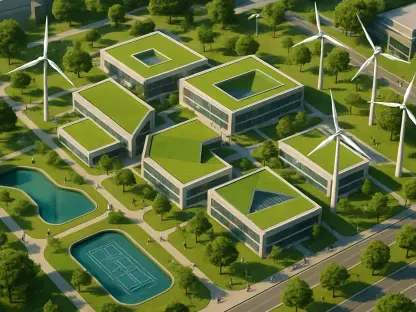

A fundamental transformation in architecture and building management has begun, shifting the very definition of a building from a passive structure to a dynamic, learning ecosystem capable of interacting intelligently with both its human occupants and autonomous machines. This innovative approach is being pioneered through a strategic partnership between German cognitive robotics developer Neura Robotics and the international construction consulting firm Drees & Sommer. Their shared objective is to create “robotics-ready buildings,” where the integration of autonomous systems is not an afterthought but a core component of the initial design. This vision reimagines buildings as interactive systems that can operate in real-time, leveraging physical AI to create environments that are more efficient, responsive, and safer. The collaboration aims to move beyond simple automation and establish a new standard where structures and the advanced robots within them work in a symbiotic relationship, fundamentally altering how we live and work within our built environments.
The Foundation of a Cognitive Infrastructure
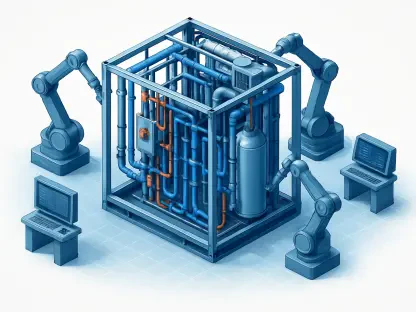
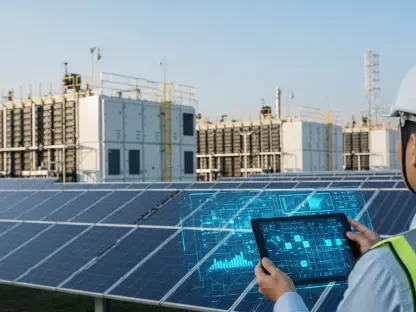
The cornerstone of this new architectural paradigm is the creation of a “Sensorized Environment,” which effectively functions as a building’s digital nervous system. This intricate network of integrated sensors is designed to continuously record and analyze a vast array of environmental data in real time, including subtle shifts in light, motion, temperature, and sound. By processing this constant stream of information, the building gains the ability to perceive its own operational state and understand the activities occurring within its walls. This transforms the structure from an inanimate object into an intelligent, cognitive infrastructure. This foundational awareness is what enables the next generation of autonomous systems to function effectively. Without such a system, robots are limited to pre-programmed routines; with it, they can navigate and interact with a dynamic world, making informed decisions based on a comprehensive understanding of their immediate surroundings.
This advanced infrastructure serves as the crucial link that empowers Neura’s sophisticated cognitive robots to achieve an unprecedented level of autonomy and intelligence. Unlike conventional automated machines that follow rigid instructions, these robots can see, hear, and even feel, allowing them to interpret the rich data provided by the sensorized environment. This capability allows them to operate beyond the confines of simple, repetitive tasks, enabling them to make independent decisions based on changing conditions. For instance, a robot could identify a spill, assess its severity based on sensor data, and prioritize its cleanup over a routine patrol. This represents a significant leap from executing commands to demonstrating genuine environmental understanding and responsive action. The building itself becomes an active participant in facilitating these intelligent operations, providing the contextual awareness the robots need to interact seamlessly and safely with both the space and its human inhabitants.
A Strategic Synergy for Smart Environments
The successful development of robotics-ready buildings hinges on the powerful synergy created by combining the distinct expertise of both collaborating firms. Drees & Sommer brings to the table its extensive and deep-rooted knowledge in building planning, the complex integration of sensor technology, the creation of sophisticated digital twins, and the management of both information technology (IT) and operational technology (OT) networks. This provides the architectural and digital backbone necessary for an intelligent structure. Complementing this is Neura Robotics’ cutting-edge contributions in cognitive robotics, foundational artificial intelligence, and the design of intuitive human-machine interfaces. The result is a holistic and synergistic effort where architectural design and advanced AI are not separate disciplines but are woven together from the initial concept. This fusion of expertise is what makes it possible to create buildings that can learn, adapt, and interact in ways that were previously confined to the realm of science fiction.
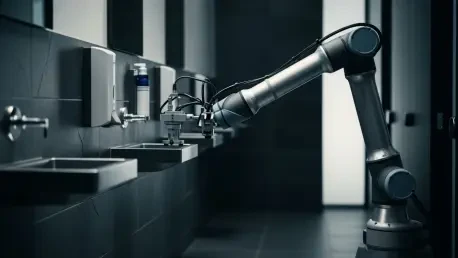
To demonstrate the practical viability of this vision, the partnership has strategically chosen sanitary facilities as its initial area of focus. This selection was far from arbitrary; it addresses a convergence of pressing, real-world challenges, including consistently high foot traffic, the necessity for stringent hygiene standards, and a significant, ongoing shortage of qualified maintenance and cleaning staff. Within these demanding environments, cognitive robots can undertake a variety of critical tasks with high precision and reliability. They are capable of autonomously detecting sources of contamination, monitoring and refilling consumables like soap and paper towels before they run out, and identifying technical anomalies in fixtures or plumbing. By reporting these potential issues before they escalate into system failures, the robots ensure a higher standard of cleanliness, operational reliability, and public safety, proving their immense value in a tangible and impactful way.
Redefining the Future of Built Spaces
The successful integration of cognitive robotics within these initial testbeds marked a pivotal shift in how architects and facility managers approached the concept of building maintenance and operation. The long-term applications for these robotics-ready buildings were understood to be vast and transformative, with clear potential to revolutionize sectors far beyond sanitation. Nursing and care facilities, for example, saw a path toward automating routine support tasks, allowing human caregivers to dedicate more time to direct patient interaction and complex medical needs. Similarly, production plants, office complexes, and major transportation hubs like airports recognized the immense value in automating maintenance and service duties, particularly in areas grappling with persistent labor shortages. By embedding intelligence directly into the built environment, these systems effectively reduced the burden of repetitive or hazardous tasks on human workers, which not only enhanced overall safety but also freed people to concentrate on more critical, strategic, and ultimately more meaningful responsibilities. This evolution represented a fundamental rethinking of the relationship between humans, technology, and the spaces they inhabit.