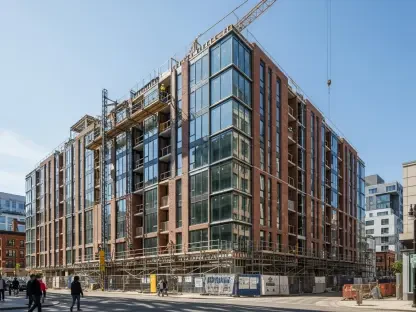
Two prominent residential high-rises in Edinburgh, standing since 1968, are on the cusp of a transformative £21 million retrofit, signaling a significant commitment to modernizing the city's housing stock for a new era. The proposed appointment of Kier Construction to lead the comprehensive

We're joined today by Luca Calaraili, a renowned expert in urban development and public policy, to discuss the ambitious £2bn housing pipeline set to transform the Liverpool City Region. With a plan to deliver over 63,000 new homes, this initiative represents one of the most significant

A landmark shift in building safety policy is now underway in Scotland, fundamentally altering the financial and legal responsibilities for rectifying historical fire safety defects in residential buildings. For years, homeowners have faced uncertainty and potential financial ruin over cladding

The commercial property landscape of Attica underwent a dramatic reshaping in the first half of 2025, marking a period of unprecedented and robust growth that caught the attention of investors across the continent. A powerful confluence of factors, including a resurgent tourism sector, the

A seemingly routine planning application for forty new homes in the quiet UK market town of Wem, Shropshire, provides a powerful illustration of how granular, local data can inform major international investment strategies. For Canadian investors with interests in the British construction and

Following recent public concerns over the fire safety of alternative construction materials, sparked by incidents like a significant fire in Hong Kong, a focused scientific initiative is working to transform the perception and reality of bamboo in modern building. The Philippines' Department of