
The removal of the requirement for developers to defer at least 25 percent of their fee provides significant liquidity advantages for those utilizing the new LIHTC Express Lane initiative. This policy shift, codified under Mortgagee Letter 2026-13, represents a fundamental modernization of the

The Good Faith Effort provision offers a mechanism for penalty mitigation, but it now requires documented proof of physical progress such as approved construction permits or utility requests. This requirement signifies a major shift in how the New York City Department of Buildings oversees the

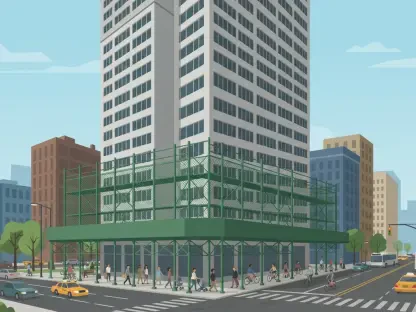
The presence of a sidewalk shed often persists long after the last brick is laid due to the rigorous administrative reviews and filing sequences mandated by the city. Owners of New York City real estate often view the Façade Inspection and Safety Program as a mere checkbox in a five-year cycle,

A dedicated rental tier could provide the stability and service levels that are often missing in the fragmented individual-landlord market in Singapore. As the city-state progresses through 2026, the government is intensifying its focus on build-to-rent (BTR) housing to accommodate a generation

In Dutchtown alone, three hundred and forty-six vacant buildings stand as obstacles to economic growth, representing the broader challenge of managing thousands of empty structures across the city. This architectural decay is not merely an aesthetic concern but a fundamental barrier to the

Property managers across New South Wales must now navigate a landscape where no-grounds evictions have been officially abolished to protect tenant security. This monumental shift marks a significant turning point in the governance of the state’s housing sector, as the regulator moves away from a
1 2 3 4 5 6 7 8 9 10 11 12 13 14 15 16 17 18 19 20 21 22 23 24 25 26 27 28 29 30 31 32 33 34 35 36 37 38 39 40 41 42 43 44 45 46 47 48 49 50 51 52 53 54 55 56