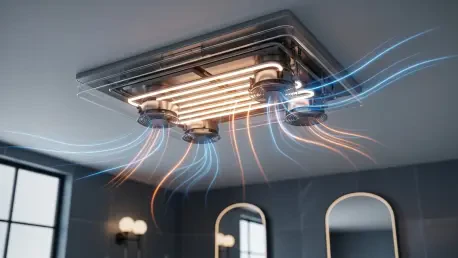
The rapid evolution of domestic infrastructure has fundamentally altered how homeowners perceive the intersection of utility and luxury within the most private spaces of a modern residence. As high-tech solutions migrate from the living room to the bathroom, the Xiaomi Mijia Smart Bath Heater G20,
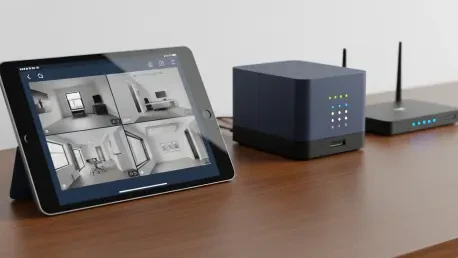
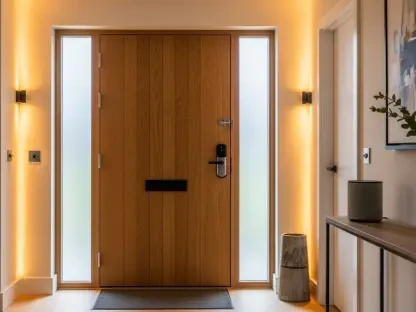
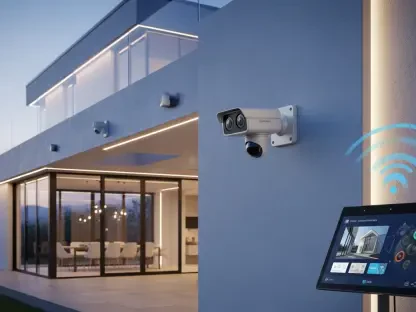
The transition of home security from an expensive professional luxury to a fundamental component of the modern smart home has accelerated significantly as retail events like the Amazon Big Spring Sale offer accessible entry points for advanced technology. Property owners often utilize these
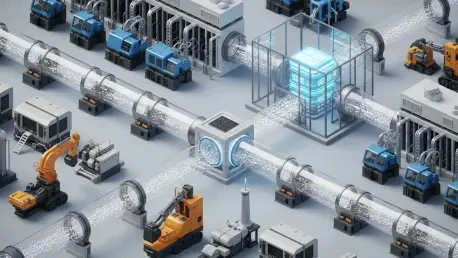
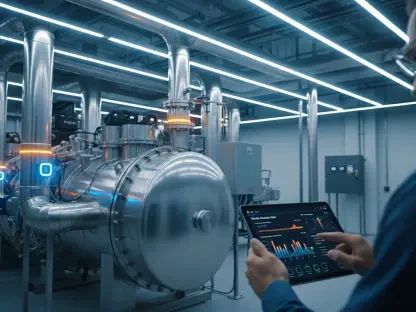
The Intersection of Industrial Performance and Digital Integrity The relentless pressure of modern industrial production means that a single hour of unplanned downtime can erode profit margins faster than almost any other operational variable in heavy industry. For decades, the aggregates sector

The 2026 Appliance & Electronics World Expo in Shanghai witnessed a historic paradigm shift as Dreame officially moved past its reputation as a niche manufacturer to become a dominant force in the global smart home market. Under the ambitious "ALL IN DREAME" theme, the company unveiled a massive
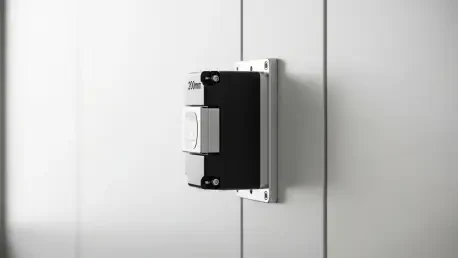
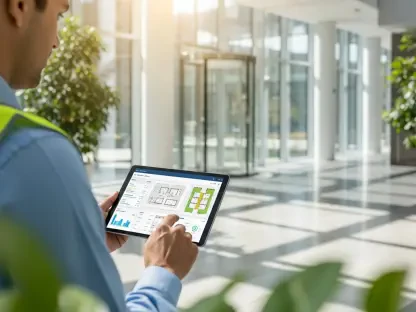
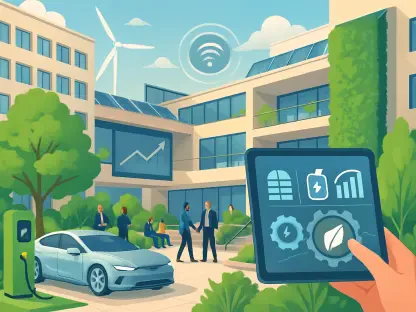
The global push toward decarbonization has placed immense pressure on facility managers to reconcile the escalating costs of energy with the stringent operational mandates required by modern building codes. In this high-stakes environment, Schneider Electric has introduced the Altivar Drive family,
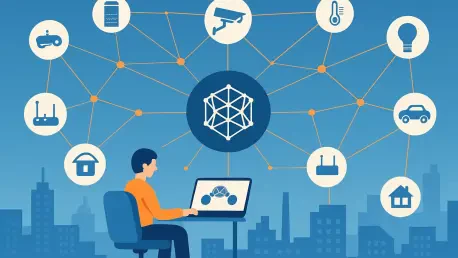
The deployment of massive wireless sensor networks has long been hindered by the inherent fragility of centralized architectures, where a single point of failure can jeopardize the connectivity of thousands of devices simultaneously. At the Embedded World exhibition in Nuremberg, NeoCortec