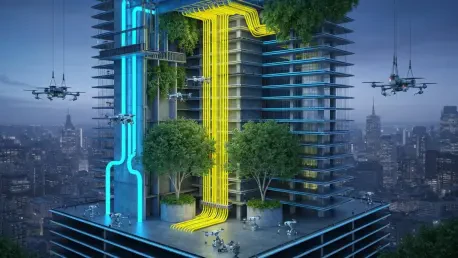

The global construction industry, long a cornerstone of economic growth and societal development, now stands at a critical juncture where it must confront its immense environmental footprint, which accounts for a substantial portion of worldwide energy consumption and carbon emissions. This growing awareness has catalyzed a profound transformation, moving sustainable practices from the fringe of architectural design to the very core of modern building philosophy. The push for green building is no longer a niche movement or a fleeting trend but a fundamental and logical evolution of the sector, driven by a powerful confluence of regulatory pressure, client demand, and economic pragmatism. It represents a comprehensive response to the urgent need for structures that consume fewer resources, generate minimal waste, and are engineered for resilience and longevity. This shift is not merely about environmental compliance; it is about redefining value in the built environment, creating a compelling “win-win” proposition that aligns ecological responsibility with financial performance and human well-being, heralding a new era for how we design, erect, and inhabit our cities.
The Triple Bottom Line of Sustainable Construction
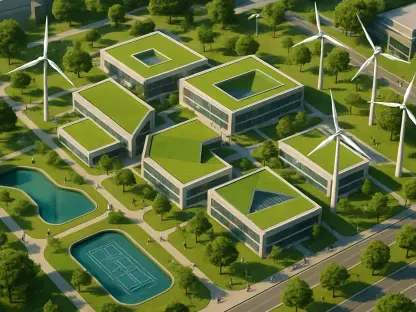
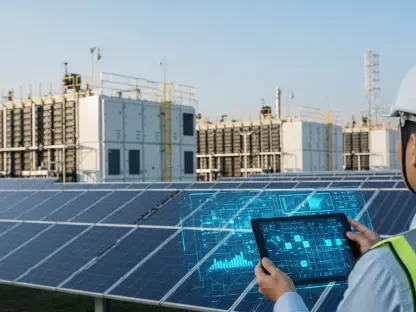
The compelling case for sustainable construction rests on a triad of interconnected benefits that address environmental, economic, and social imperatives simultaneously, creating comprehensive value for all stakeholders. Environmentally, green buildings directly tackle the pressing challenges of climate change by design. Through the integration of energy-efficient systems, superior insulation, and renewable energy sources like solar panels, these structures significantly reduce their reliance on the grid and cut down on greenhouse gas emissions. Furthermore, a focus on water conservation through rainwater harvesting and low-flow fixtures, coupled with responsible material sourcing, minimizes the depletion of natural resources. Economically, the advantages are just as significant. While initial investment costs can sometimes be higher, the long-term savings on operational expenses are substantial. Lower utility bills for energy and water translate into a reduced total cost of ownership and a higher return on investment, making green buildings more attractive to investors and tenants alike. Socially, these structures foster healthier and more productive environments for the people who occupy them, featuring improved indoor air quality, abundant natural light, and non-toxic building materials that contribute to the overall well-being and satisfaction of residents and workers.
Innovation in Materials and Methods
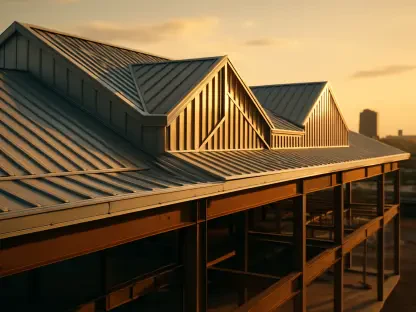
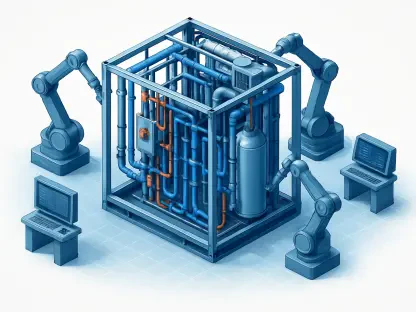
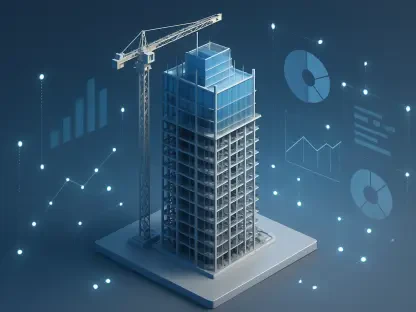
The successful implementation of green building principles has been made possible by a wave of innovation in both materials and construction methodologies. The industry has moved decisively toward a circular economy model, prioritizing the use of sustainable resources such as responsibly harvested timber, recycled steel, and reclaimed wood, which reduce the demand for virgin materials and divert waste from landfills. Advanced composites and bio-based materials are also gaining traction, offering high performance with a lower environmental impact. Technology, in particular, has become an indispensable tool in this transition. Digital tools like Building Information Modeling (BIM) and AI-powered analytics allow architects and engineers to visualize and simulate a building’s entire lifecycle from conception to demolition. This foresight enables the optimization of energy performance, the minimization of material waste during construction, and the enhancement of structural stability. Specialized techniques, such as sustainable auger drilling, have also been developed to minimize ecological disturbance during foundation work. This convergence of smart materials and intelligent processes demonstrated that sustainability was no longer an abstract ideal but a practical, efficient, and ultimately superior approach to construction that had reshaped the industry’s future.